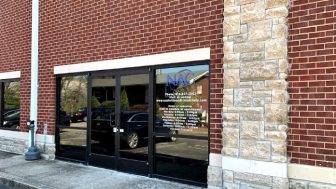
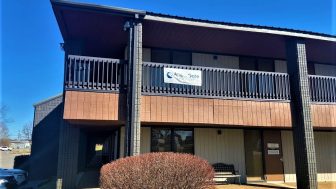
Tennessee Recovery Foundation
 Sponsored
About Tennessee Recovery Foundation
Tennessee Recovery Foundation is a nonprofit addiction treatment organization in Nashville, Tennessee, offering non-residential outpatient care through its Tennessee Center for Change program.
The foundation's mission, I've found, centers on community reintegration, financial assistance and partnership with Recovery Courts to help at-risk individuals rebuild their lives.
Traditional SUD Treatments with DUI/DWI Tracks
Treatment typically begins with a drug and alcohol assessment to determine the appropriate level of care, with qualifying participants eligible to remain enrolled in therapies for up to one year. This structured timeline allows for deeper clinical work than many traditional outpatient models.
Clients can expect a blend of evidence-based and therapeutic approaches, including Moral Reconation Therapy (MRT), cognitive behavioral therapy, motivational interviewing and relapse prevention groups.
Additional supports such as case management, peer mentoring, trauma-related counseling and telehealth options help clients address co-occurring disorders and sustain long-term recovery.
As well as Recovery Courts for their DUI and DWI tracks for at risk youth.
Quick Facts About Tennessee Recovery Foundation
- Location: 417 Welshwood Drive, Suite 103, Nashville, Tennessee
- Levels of care: Outpatient, intensive outpatient (IOP), aftercare and telehealth services
- Who they treat: Adults, young adults, seniors, men, women, pregnant and postpartum women, justice-involved clients and those with co-occurring disorders or trauma histories
- Approach: MRT, CBT, mindfulness, motivational interviewing, Matrix Model and 12-step facilitation
- Payment options: Self-pay, private insurance, government and SAMHSA block grant funding, plus nonprofit financial assistance
- Specialty programs: Recovery Court partnerships and a designated DUI/DWI track
- Support services: Case management, peer support, housing assistance and overdose education
Addiction Treatment Programs
An alcohol rehab in Tennessee provides treatment to break free from alcohol addiction. Methods typically combine counseling, group support, and behavioral therapy, with alcohol abstinence and long-term sobriety as the goals.
Drug rehab in Tennessee prepares you to start life anew with the right tools to maintain sobriety. You’ll learn how to manage stress, adopt healthy lifestyle habits, and prevent relapse. This is typically accomplished through counseling, medication, and evidence-based therapies.
Moral Reconation Therapy (MRT) is a form of psychotherapy commonly used in addiction recovery. Based on cognitive behavioral therapy (CBT), moral reconation therapy (MRT) helps clients recognize unhealthy and/or harmful thought patterns and to replace them with more positive and productive ones. MRT is designed to empower clients to make healthier life choices and to more effectively align their behaviors with their moral values.
Men’s rehab in Tennessee addresses the different life experiences and genetic factors that shape how men are affected by addiction. By doing so, this type of treatment can be most effective for men who are struggling with substance use.
The main goal of women’s rehab in Tennessee is to provide a comfortable setting where women can focus on recovery. This environment helps women in treatment nurture their body, mind, and spirit without distractions.
The main goal of women’s rehab in Tennessee is to provide a comfortable setting where women can focus on recovery. This environment helps women in treatment nurture their body, mind, and spirit without distractions.
Levels of Care
Those who are coping well with reentry into society while sober are good candidates for outpatient rehab in Tennessee. This program involves attending multiple on-site sessions per week to provide accountability and support. Treatment lasts as long as you need it to, as it's based on your recovery progression.
Intervention services in Tennessee are available for family members who need support as they try to guide a loved one toward wise choices. To get loved ones the help they need, intervention specialists offer facilitation of interventions, access to valuable resources, and guidance in choosing the best treatment plan.
Contact Information


 Sponsored
Maygen Brockway, MTC, has more than 10 years of editing and writing experience. She’s written for the medical, wedding, fashion, and technical industries. She’s a poetry lover, coffee and whiskey drinker, social butterfly, and mom who lives in scenic Southern Utah. She has a Master’s in Technical Communication and loves writing.
Rehabs.org regularly reviews this listing for accuracy but changes may occur between updates. For the most up-to-date information, please contact Tennessee Recovery Foundation.