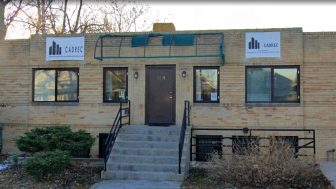
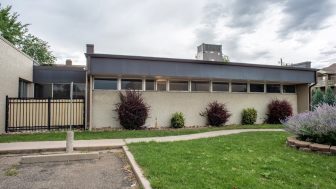
Teen Challenge Denver
2634 South Broadway Denver, CO 80210
 Sponsored
About Teen Challenge Denver
Teen Challenge Denver, operating as 180MINISTRIES for Men is a long-term residential recovery program serving adults in Denver, Colorado.
As a ministry of Teen Challenge of the Rocky Mountains it supports men recovering from alcohol, opioid, fentanyl, methamphetamine, cocaine and polysubstance addiction through on-site housing, counseling and Christian faith-based care.
The program is built around lasting transformation, helping residents rebuild stability, accountability and real-world readiness for a substance-free life.
Faith-Based Recovery for Men
I noticed that the heart of 180MINISTRIES is its long-term, fully residential program where men live together in a structured peer community.
Residents take part in counseling, educational classes, structured meetings, recovery curriculum and hands-on work, with program length based on personal progress rather than a fixed timeline.
Daily life combines spiritual development, mentorship and practical responsibility, including shared upkeep of the house and kitchen.
Treatment focuses on coping strategies, trigger management and relapse prevention, addressing the deeper roots of addiction.
Life Skills and Lasting Change
Beyond prioritizing sobriety I am impressed that the program emphasizes real-world readiness through life-skills education covering work, relationships, goal setting and healthy routines.
Residents grow within a supportive Christian community centered on accountability, emotional stability and personal transformation, preparing them to thrive in sober living.
Amenities

Gym
When paired with cognitive-behavioral therapy, exercise can be an effective tool for overcoming addiction. Dru...g rehabs with a gym offer clients healthy ways to increase energy levels, balance the body’s stress hormone levels, and aid in the brain’s healing process.Addiction Treatment Programs
Adult Program
Each adult program in Colorado centers around helping individuals obtain and maintain sobriety. These programs are designed for men and women 18 and older who struggle with addiction. Common treatment methods include one-on-one and group therapy.Alcoholism
Alcohol rehab in Colorado provides a crucial support system that sees you through challenges and helps you come out victorious on the other side. Treatment helps individuals come to terms with alcohol abuse issues and learn how to overcome them.Opioid Treatment
Opioid rehab in Colorado connects you with the tools and resources you need to overcome opioid use disorder and prevent relapse. Treatment provides structure, accountability, improved health, and community support through a variety of evidence-based methods.Drug Rehab
Professional services are often necessary to recover from addiction. Drug rehab in Colorado provides the expert services needed to address the complex issues of addiction and help individuals start their recovery journey.Levels of Care
Inpatient Rehab
Residential or inpatient rehab in Colorado is the most intensive treatment setting, offering medication manage...ment, individual and family therapy, and verious forms of evidence-based or holistic therapy. Clients live at the facility while receiving treatment.Dual Diagnosis & Mental Health
Many people who struggle with a substance abuse disorder also have a mental health disorder. In these situatio...ns, Colorado dual diagnosis treatment is essential, for treating both disorders simultaneously.Aftercare & Alumni Program
A Colorado aftercare rehab program provides continued support such as counseling, career guidance, and budgeti...ng assistance. The goal is to give you the support you need to prevent relapse. Some people remain in aftercare for a few weeks or months, while others continue for a year or more.Insurance
 Self-Pay Options
When using self-pay options to cover the cost of alcohol and drug rehab in Colorado, you can either pay out-of...-pocket or take out a personal medical loan from a bank, credit union, or financing company. Fee structures often depend on the level of care needed.
 Sliding Scale Payment
If you are unable to pay the full amount for alcohol and drug rehab in Colorado, a sliding scale payment plan ...may be the solution for you. Fees for treatment are usually based on your adjusted gross income, but can also be determined by other factors like insurance coverage and additional financial resources that might be available.Staff
Contact Teen Challenge Denver


 Sponsored
Patti Croft is a full-time writer who writes about accessing effective addiction treatment during the day but is also pursuing her dream of penning a novel in her spare time. She enjoys copious amounts of coffee as creative fuel and sharing an office with her adorable cat, Beau. Her background is in healthcare management, and she is a passionate advocate for mental health and addiction care.
Rehabs.org regularly reviews this listing for accuracy but changes may occur between updates. For the most up-to-date information, please contact Teen Challenge Denver.