
Teen Challenge
 Sponsored
About Teen Challenge
Residential care for men at San Diego Teen Challenge is built on a biblical discipleship model rather than a medical one. I noted that the addiction treatment center in San Diego does not offer medication based treatment or mental health care.
If you need higher level treatment methods, their team may provide referrals or assistance finding a California facility that meets those needs.
Payment Help in San Diego
If you're weighing the cost of a stay, the center provides payment assistance without using a sliding fee scale. It is part of Teen Challenge of Southern California, which holds nonprofit status.
Admission for Adult Men
This Teen Challenge location admits men only and I think it's notable that the program is for adults who want a spiritual plan for recovery.
The first phase lasts three to four months at the San Diego campus with classes for new believers, chapel and worship services and supervised work activities.
After that, the men transfer to Riverside for the rest of a year long program. The months you spend on site will mean you have to take time away from a job and a household for as long as the phase lasts, so that's worth consideration.
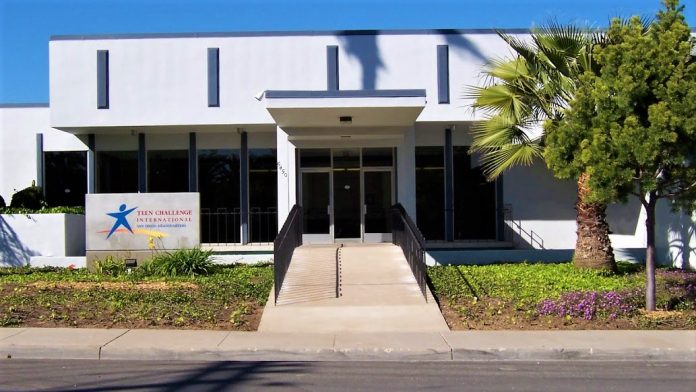
Teen Challenge found a permanent home for the program in 1996 in a 26,000 square foot building that had once been a medical facility. It sits in the eastern part of San Diego County, and I noticed the program also brings drug education, prevention and evangelism to the communities around it.
Amenities
Private drug rehab provides a comfortable, secure environment that allows you to focus on doing the work to get your life back on track. Benefits include a higher staff-to-client ratio, increased one-on-one time with therapists and healthcare providers, private rooms for clients, and customized forms of therapy.
Residential drug rehab provides the comforts of home with the therapeutic support needed to successfully recover. Benefits of an inpatient program include increased safety, a higher success rate, and the time and distance given to focus on recovery. Residential drug rehabs are often the preferred method of treatment, as they can be tailored to meet specific needs, offer focused therapeutic care, and provide the necessary tools to sustain recovery.
In order to maintain a sense of autonomy, many private rehab facilities offer clients the ability to choose their own private rooms. The privacy and personal space ensure that the recovery process is as comfortable as possible.
Addiction Treatment Programs
Typically, a young adult program in California can guide individuals from detox, through initial treatment, and extends to aftercare. Treatment gives young adults what they need to reset their lives and move to the next stage of life free from addiction.
An adult program in California uses various therapeutic methods to treat a person who is dependent on an addictive substance. Individuals aged 18 and older are eligible for treatment, which focuses on breaking the cycle of addiction and learning how to maintain sober living.
Alcohol rehab in California provides professional treatment to guide participants through each step of recovery. Programs offer a support system to walk you through challenges and celebrate victories with you, from detox to long-term sobriety.
This is a men's program, and every person admitted here is an adult man starting the induction phase.
Women’s rehab in California provides a safe environment where women can work through addiction challenges surrounded by their gender peers. This often creates an environment that is more conducive to recovery.
For those who are struggling with opioid use disorder, help is available at opioid rehab in California. This complex addiction can be treated through a combination of evidence-based therapies and medication assisted treatment.
Drug rehab in California teaches participants constructive ways to stay clean and sober. Treatment revolves around helping individuals stop using the substance they are addicted to and learn healthy habits to avoid relapse.
Levels of Care
This San Diego campus is an induction facility for adult men, who spend three to four months on the first phase of the program.
Community support and relationship-building are key elements of aftercare rehab in California. You’ll receive recovery coaching, social support, and mentors to help you maintain sobriety after completing initial rehab treatment. This support will continue as long as you need it, which could be weeks or more than a year.
Accreditations
Contact Information


 Sponsored
Patti Croft is a full-time writer who writes about accessing effective addiction treatment during the day but is also pursuing her dream of penning a novel in her spare time. She enjoys copious amounts of coffee as creative fuel and sharing an office with her adorable cat, Beau. Her background is in healthcare management, and she is a passionate advocate for mental health and addiction care.
Rehabs.org regularly reviews this listing for accuracy but changes may occur between updates. For the most up-to-date information, please contact Teen Challenge.
Nearby Treatment Centers

4443 30th Street
Ste 210
San Diego, CA 92104

5538 University Ave
San Diego, CA 92105

5855 Streamview Drive
San Diego, CA 92105

5348 University Avenue
Suite 101 and 120
San Diego, CA 92105
Popular California Cities
More Cities View Other California CitiesFAQs
Is Teen Challenge in San Diego an inpatient or outpatient program?
Residential. Men stay here for three to four months to finish the induction phase, which is the first part of the program. That makes it inpatient rehab in the usual sense, a stay rather than appointments you attend and then leave.
Who does this San Diego program serve?
Adult men. This is an induction facility for male adults, and that is the group the program is built around. A person entering is an adult man, and the first phase is where the work starts.
How long does the induction phase at Teen Challenge last?
Three to four months. That is the length of the first phase, which happens here before anything else. Three to four months is the span to expect for this part of the program.
Does this program provide medical or mental health care?
No. Medical and mental health care are not what this program is built on. The model is biblical discipleship, and a co-occurring mental health condition is not something the program treats. Medication treatment does not happen here either.
What does treatment look like at this San Diego campus?
Days run on biblical teaching and community. Men attend daily classes written for new believers and join chapel and worship services, then visit local churches to talk about what God is doing in their lives. Community events, outreach and supervised work activities fill the rest.
