
Talbott Recovery
5355 Hunter Road
Atlanta, GA 30349
 Sponsored
About Talbott Recovery
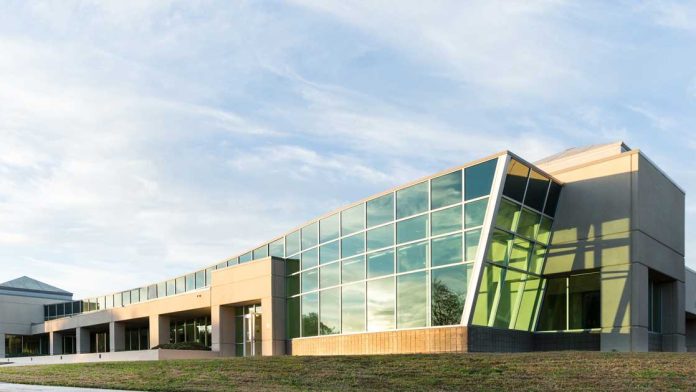
Talbott Recovery Campus treats substance abuse and dual diagnosis mental health issues in Atlanta, Georgia. They have intensive outpatient and partial hospitalization programs available. There is also a recovery program for licensed professionals, like lawyers, pilots and healthcare workers. They are located close to the Atlanta airport and can serve nearby suburbs.
They prepare a customized treatment plan based on individual needs and recovery goals. They’ll make adjustments as needed to ensure the most comprehensive treatment. You’ll have an entire team of professionals working together on your behalf.
Medication assisted treatment (MAT) is available to help lessen withdrawal symptoms and reduce drug cravings. They use FDA approved medicines that make guests more comfortable during treatment. The team will monitor your progress and help ensure safety during this process. You’ll also meet with an addiction medicine specialist each week to provide the most effective medication dose.
Guests attend individual counseling sessions, where they can share addiction challenges with a professional skilled in addiction care. It allows one on one time in a confidential setting.
Group counseling sessions provide a more open environment with others in recovery who can understand your unique recovery journey. They offer a supportive community that reduces feelings of isolation that frequently come with addiction. The other members may share valuable feedback helpful for your sobriety.
They offer day and evening sessions for more flexibility and convenience. For those coming from other areas, they have recovery residences located close to the facility.
They work with most insurance plans and have intake specialists to help you verify coverage. They also accept self pay and provide financial arrangements for those without insurance.
Amenities
Private drug rehab provides a comfortable, secure environment that allows you to focus on doing the work to get your life back on track. Benefits include a higher staff-to-client ratio, increased one-on-one time with therapists and healthcare providers, private rooms for clients, and customized forms of therapy.
Residential drug rehab provides the comforts of home with the therapeutic support needed to successfully recover. Benefits of an inpatient program include increased safety, a higher success rate, and the time and distance given to focus on recovery. Residential drug rehabs are often the preferred method of treatment, as they can be tailored to meet specific needs, offer focused therapeutic care, and provide the necessary tools to sustain recovery.
Recreational therapy uniquely combines therapeutic interventions with an activity, like horse-riding, hiking, wilderness therapy, basketball, tennis, or a full workout. Benefits of recreational therapy include providing a healthy way to work through the emotions of recovery, learning to build and maintain relationships, improving communication skills, and building self-esteem.
Yoga and meditation are great activities to support your recovery process during alcohol or drug rehab. These therapies have been around for centuries, and they are an effective way to improve well-being. Combining addiction treatment, yoga, and meditation can reduce cravings, improve sleep, relieve anxiety and depression, provide stress relief, promote relaxation, support emotional healing, and improve energy levels.
Treatment centers with a yoga studio offer a special form of holistic therapy during the recovery process. Yoga boosts mindfulness, a sense of calm, and healthy reflection during drug rehab via breathing exercises, stretching, and a progression of specific postures.
Taking time away from a demanding corporate job to attend drug rehab may seem impossible, but executive drug rehab programs combine cutting edge addiction treatment with executive amenities like Wi-Fi, access to computers, and conference calling so you can take care of your health and stay on top of business.
Some rehab programs offer free Wi-Fi to guests who have full access to their smartphone devices or laptop computers during treatment. While access to these devices may be allowed, the time spent using them is often regulated or restricted so clients can focus on treatment.
Wilderness rehab programs offer all the benefits of a traditional drug rehab, but with the added benefits of outdoor adventure. Venture out into the forest to learn new skills, explore the beauty of nature, and relieve stress. Engaging in wilderness activities is a great way to gain self-discovery and release negative emotions.
When used as part of an evidence-based treatment plan, basketball can boost physical and mental health, lead to sharper thinking, and facilitate improved self-esteem. Drug rehabs with a basketball court also place a focus on teamwork and cooperation.
Luxury rehab is a form of treatment offered in a residential, resort-style setting. You’ll receive personalized treatment from staff and clinicians, have access to forms of treatment that go beyond what a typical inpatient rehab offers, and offer specific amenities like ocean views, large single occupancy bedrooms with private baths, and complementary spa treatments like massage, acupuncture, or reiki. Most luxury rehab centers have a limited number of beds.
When paired with cognitive-behavioral therapy, exercise can be an effective tool for overcoming addiction. Drug rehabs with a gym offer clients healthy ways to increase energy levels, balance the body’s stress hormone levels, and aid in the brain’s healing process.
Swimming increases blood flow to the body and brain, boosts white blood cells, and improves muscle strength, lung capacity, and overall stamina. Drug rehabs with a swimming pool offer physical and mental benefits to complement the recovery process.
Addiction Treatment Programs
A young adult program in Georgia focuses on the motivations, challenges, and needs of this stage of life. Participants receive treatment tailored to this age bracket.
Treatment services at an adult program in Georgia are typically offered on a continuum of care. These intensity levels address unique needs as individuals progress through various stages of recovery.
The goal of alcohol rehab in Georgia is recovery. This is a process that helps individuals achieve remission from alcohol use disorder and refrain from unhealthy drinking habits. Treatment typically includes one-on-one and group therapy sessions.
By offering men’s rehab in Georgia, addiction treatment centers provide an outlet for men to build bonds with other men who are facing similar challenges. The relationships formed can help men reduce their risk of relapse.
Addiction and substance use treatment affect men and women differently. Women’s rehab in Georgia addresses the internal and external factors that women face which differ from men.
When you attend opioid rehab in Georgia, you’ll find a safe and comfortable atmosphere that allows you to navigate a path to a healthier life. Choose from inpatient or outpatient programs that surround you with support and give you the tools you need for sobriety.
Negative thought patterns can lead to substance abuse as a way to self-medicate. During cognitive behavioral therapy in Georgia, individuals learn how to identify and stop these negative patterns and manage them in healthy ways that don’t involve substances.
LGBTQ-friendly rehab in Georgia addresses the unique needs of a diverse population. By tailoring treatment to meet these unique needs, rehabs can increase the chances of successful long-term recovery.
Rational emotive behavioral therapy in Georgia is used to treat substance use disorders as well as co-occurring disorders such as anxiety, depression, phobias, and obsessive-compulsive behavior. Treatment involves identifying and disrupting irrational beliefs to alter behavior.
EMDR Therapy is a neurobiological treatment modality used to address trauma disorders and related mental and behavioral health challenges. Short for eye movement desensitization and reprocessing, EMDR is designed to help clients cope with distressing memories and emotions, including fear, sadness, and anger. EMDR may help clients in addiction recovery manage the psychological and emotional triggers that contribute to substance misuse and/or addiction relapse.
A quality drug rehab in Georgia can help you overcome addiction. This environment is designed to help you address the complex issues contributing to drug dependence. The goal of treatment is to give you the tools you need to make a full recovery.
Levels of Care
For those with a moderate addiction, outpatient rehab in Georgia is often appropriate. This involves attending individual and group counseling sessions each week. Outpatient treatment may continue long-term if needed, until you are ready for the next stage of your recovery journey.
Both substance abuse and mental health disorders cause brain imbalances, so they often feed off each other. Treatment for dual diagnosis in Georgia provides access to addiction and mental health specialists, to effectively treat both conditions at once.
Georgia aftercare rehab helps you navigate sober living after treatment. As you re-enter life, you’ll have support to help you face challenges and avoid relapse. Most people need aftercare for several months, and it’s common to remain in aftercare for a year or more.
Upon entering an inpatient rehab in Georgia, you will reside at the treatment center for the duration of your program. While there, you'll participate in individual, group, and family therapy sessions, and you may receive medication and additional holistic therapies.
Alcohol and drug rehab in Georgia starts with detox. You’ll be under 24/7 supervision, while medical personnel provide care and medication to alleviate withdrawal symptoms. Over a period of about a week, all addictive substances will be cleansed from your body.
Sober living in Georgia provides a drug-free environment where you can learn to live a sober lifestyle. You’ll receive peer support while taking on responsibilities for household bills and chores and adhering to strict house rules. This structured setting can be helpful during your first few months after rehab treatment.
Drug rehab in Georgia often starts with intervention services. Staff intervention specialists serve as a valuable point of contact for family members, helping with the planning and execution of interventions and following up with key resources and guidance on getting someone on the right path to recovery.
A form of outpatient drug rehab in Georgia known as a partial hospitalization program (PHP) allows you to participate in treatment activities during the day and return home at night. It's structured to meet your needs and often involves treatment methods similar to inpatient rehab.
Accreditations
Accepted Insurance
Contact Information


 Sponsored
Nearby Treatment Centers

5534 Old National Highway
Bldg H, Ste 100
College Park, GA 30349
5524 Old National Highway
Suite B
College Park, GA 30349

240 Corporate Center Dr
Suite B
College Park, GA 30281

5650 Old National Highway
Suite A
Atlanta, GA 30349
