
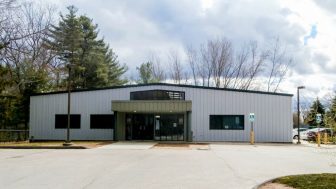
River Run Academy at Susan Wayne Center of Excellence
75 Church Street
Thompson, CT 06277
 Sponsored
About River Run Academy at Susan Wayne Center of Excellence
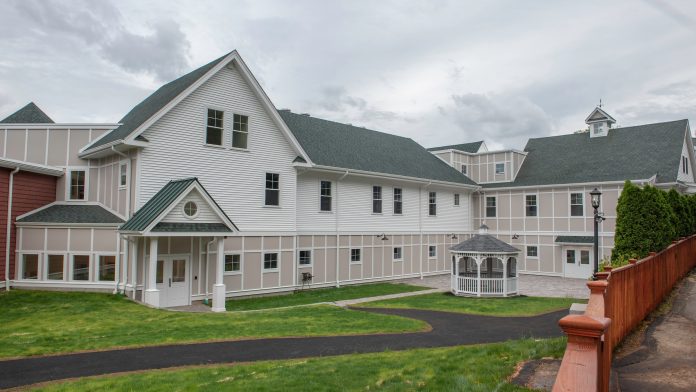
River Run Academy at Susan Wayne Center in Thompson, Connecticut, is a clinical day school that services students with cognitive impairment, including those with mental health and behavioral health issues. The school serves ages 11 to 21. They can accommodate up to 45 students at a time.
ARC Model
Using an Attachment, Self-Regulation, and Competency (ARC) Model,
I noticed that the clinical approach at the school provides support for youth who have experienced trauma, as well as their caregivers. The goal is to help them build healthy relationships, stay safe and control their emotions, and build competency and confidence. What stands out to me is that they have a very low teacher to student ratio so each child gets individual attention.
Their treatment for substance use uses an evidence based model aimed at adolescents. The counselors talk to the kids about what motivates them to use drugs or alcohol and help them find healthier ways to address those needs.
Vocational and Adventure Programs
There’s a vocational preparation program which teaches participants responsibility using easy and fun tasks involving animals and gardening. The program also helps them build social skills for interacting with adults and peers.
They also have an adventure ropes course that students and staff conquer together. I appreciate that this helps build confidence in accomplishing challenging things but does so in a fun environment.
Amenities
Residential drug rehab provides the comforts of home with the therapeutic support needed to successfully recover. Benefits of an inpatient program include increased safety, a higher success rate, and the time and distance given to focus on recovery. Residential drug rehabs are often the preferred method of treatment, as they can be tailored to meet specific needs, offer focused therapeutic care, and provide the necessary tools to sustain recovery.
Art and music are mediums that connect with our feelings, making them a great recovery tool during addiction treatment. Studies show that combining art/music and drug rehab can have a greater therapeutic impact than drug rehab alone, as you’re able to access parts of your brain and body that you may not have access to during traditional talk therapy. Benefits of art/music therapy include lowering stress and anxiety, promoting healthy neurochemicals, and providing stress relief.
Treatment centers with a yoga studio offer a special form of holistic therapy during the recovery process. Yoga boosts mindfulness, a sense of calm, and healthy reflection during drug rehab via breathing exercises, stretching, and a progression of specific postures.
Transportation services are designed to ensure your addiction treatment begins and ends successfully by offering free transportation to the rehab facility, to and from your appointments during rehab, and back home upon program completion.
Music can be extremely therapeutic, serving as a valuable healing tool and an integrative feature of a holistic treatment plan. A music room offers a large number of outlets, including singing, playing musical instruments, and listening to music.
When paired with cognitive-behavioral therapy, exercise can be an effective tool for overcoming addiction. Drug rehabs with a gym offer clients healthy ways to increase energy levels, balance the body’s stress hormone levels, and aid in the brain’s healing process.
Addiction Treatment Programs
If you are looking for a young adult program in Connecticut, many options are available. Programs include inpatient, partial hospitalization programs (PHP), intensive outpatient programs (IOP), outpatient, aftercare, and dual diagnosis.
For those who have a substance use disorder, an adult program in Connecticut offers crucial support. Designed to treat individuals 18 and older, these rehab programs help adults learn how to live their lives free from dependence on substances.
In Connecticut, cognitive behavioral therapy helps individuals identify impulsive thoughts and feelings of fear and self-doubt. It equips them to manage these negative thoughts and feelings without the use of substances.
Levels of Care
Many individuals turn to outpatient rehab in Connecticut after they complete an inpatient program. This treatment is less intensive and usually involves attending several counseling sessions per week and attending a support group such as NA or AA. Outpatient rehab may be short or long-term, depending on the needs of the individual.
Once you’ve completed rehab treatment, you must learn how to manage stress and life challenges without relapsing. Aftercare rehab in Connecticut is designed to provide the support you need for this process. It may include financial, educational, career, social, and mental support. Many people remain in this care for a year after initial recovery.
Inpatient drug rehab in Connecticut is the most intensive level of care for addiction treatment. Upon admission, they engage in extensive psychotherapy, receive recovery-focused life skills training, and participate in evidence-based complementary therapies, such as meditation, massage, acupuncture, and/or animal, creative arts, recreational, and experiential therapy.
Sober living in Connecticut offers an interim step for the first few months of your recovery journey. It involves living in a supervised, sober residence that has structured rules and required 12-step meetings. Typical house rules include no drugs or alcohol, random drug tests, and involvement in work, school, or an outpatient rehab program.
Accreditations
Accepted Insurance


Contact Information


 Sponsored
Nearby Treatment Centers

391 Pomfret St
Putnam, CT 06260
88 Jackson Street
Willimantic, CT 06226
134 Church Street
Willimantic, CT 06226
54-56 Boston Post Road
Willimantic, CT 06226
