
Structure House
 Sponsored
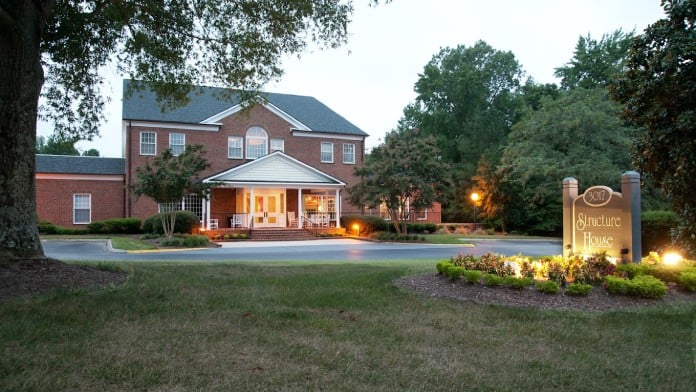
Amenities
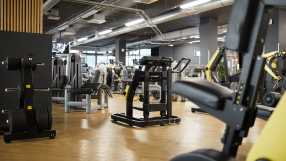
Gym
When paired with cognitive-behavioral therapy, exercise can be an effective tool for overcoming addiction. Dru...g rehabs with a gym offer clients healthy ways to increase energy levels, balance the body’s stress hormone levels, and aid in the brain’s healing process.
Luxury Rehab
Luxury rehab is a form of treatment offered in a residential, resort-style setting. You’ll receive personali...zed treatment from staff and clinicians, have access to forms of treatment that go beyond what a typical inpatient rehab offers, and offer specific amenities like ocean views, large single occupancy bedrooms with private baths, and complementary spa treatments like massage, acupuncture, or reiki. Most luxury rehab centers have a limited number of beds.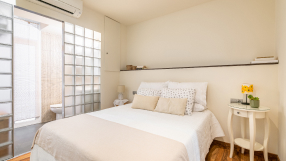
Private Rooms
In order to maintain a sense of autonomy, many private rehab facilities offer clients the ability to choose th...eir own private rooms. The privacy and personal space ensure that the recovery process is as comfortable as possible.
Swimming Pool
Swimming increases blood flow to the body and brain, boosts white blood cells, and improves muscle strength, l...ung capacity, and overall stamina. Drug rehabs with a swimming pool offer physical and mental benefits to complement the recovery process.
WiFi
Some rehab programs offer free Wi-Fi to guests who have full access to their smartphone devices or laptop comp...uters during treatment. While access to these devices may be allowed, the time spent using them is often regulated or restricted so clients can focus on treatment.
Yoga Studio
Treatment centers with a yoga studio offer a special form of holistic therapy during the recovery process. Yog...a boosts mindfulness, a sense of calm, and healthy reflection during drug rehab via breathing exercises, stretching, and a progression of specific postures.Addiction Treatment Programs
Adult Program
An adult program in North Carolina typically combines individual and group counseling, medical treatment, and various other therapies to treat substance use disorders. Treatment can take place in an inpatient or outpatient setting.Cognitive Behavioral Therapy (CBT)
Many therapists use cognitive behavioral therapy in North Carolina to treat substance use disorders. This goal-oriented method addresses maladaptive thinking and related beliefs that affect behaviors and can lead to addiction.Animal & Equine Therapy
Animal & equine therapy are evidence-based complementary therapies drawing on the emotional, psychological, and physiological benefits of regular contact with animals. Addiction recovery programs may incorporate the care of therapy dogs, cats, horses, and other animals into their treatment model to support clients’ development of recovery-focused life skills, including personal responsibility, time management, and empathy. Contact with therapy animals may reduce stress, enhance mood, decrease depression and anxiety, and increase clients’ self-esteem and sense of wellbeing.Levels of Care
Inpatient Rehab
When you choose inpatient drug rehab in North Carolina, you’ll live at a rehab facility for 28 to 90 days, d...epending on the program. Typical methods of treatment include group and individual therapy and family counseling.Detox & MAT
Nearly all drug rehabs in North Carolina begin with a detox program. When this process is complete, all addict...ive substances will be purged from your body. You can then move on to the next steps of drug rehab in North Carolina.Outpatient Rehab
Outpatient rehab in North Carolina is often the next step for those who complete an inpatient program. This le...ss restrictive treatment involves several hours of therapy per week, and accountability through 12-step meetings such as AA. You’ll continue this treatment as long as needed, which could be weeks, months, or years.Dual Diagnosis & Mental Health
Some of the most common co-occurring mental health disorders include anxiety, depression, and eating disorders.... When these are present alongside substance use disorder, dual diagnosis treatment in North Carolina is necessary to address both conditions.Partial Hospitalization Program (PHP)
Partial hospitalization programs (PHPs) in North Carolina give you structured treatment during the day but all...ow you to return home at night. PHPs can include elements like group therapy, individual counseling, and medication management.Intensive Outpatient Program (IOP)
Aftercare & Alumni Program
Aftercare rehab in North Carolina is a crucial part of relapse prevention. It gives you access to resources th...at will help you manage stress and overcome life hurdles. Typical services include career coaching, financial guidance, and ongoing counseling and emotional support. These may continue for a few months or more than a year after initial rehab.Sober Living
Many people find that a few months in North Carolina sober living after rehab treatment gives them a good foun...dation for long-term recovery. The average stay at a sober living home is five to eight months, but you get to decide when you are ready to live on your own.Accreditations

NAATP
Insurance
 Medicaid Accepted
If need help with the cost of alcohol and drug rehab in North Carolina, you may be eligible for Medicaid. This... coverage can assist with the cost of treatment, including detox, inpatient rehab, and more, but the amount covered may vary.
 Private Insurance
Your insurer may help cover the cost of alcohol and drug rehab in North Carolina. The amount covered will depe...nd on your policy and whether the treatment center is in-network or out-of-network. You may be left with some costs like a co-payment, or co-insurance. Check with your insurer for more information.
 Self-Pay Options
In North Carolina, you have the option to take charge of your treatment costs and pay out-of-pocket, known as ...self-pay or private pay. Paying for alcohol and drug rehab in North Carolina, you to access all levels of care — including detox in North Carolina, and inpatient rehab in North Carolina —without being subject to the limitations of your insurance provider.Contact Structure House


 Sponsored
Rehabs.org regularly reviews this listing for accuracy but changes may occur between updates. For the most up-to-date information, please contact Structure House.
Location Details
Nearby Treatment Centers

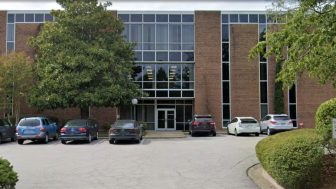
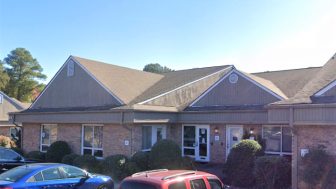
Popular North Carolina Cities
View Other North Carolina CitiesFAQs
What eating disorder and weight management programs does Structure House offer?
Structure House in Durham, North Carolina provides residential treatment for binge eating disorder, compulsive overeating, bulimia nervosa, and obesity. The facility’s multidisciplinary team includes physicians, nurses, therapists, dietitians, and exercise specialists who work together to address unhealthy eating behaviors and help patients restore a healthy relationship with food.
Is medical monitoring available during the residential program at Structure House?
Yes, Structure House provides 24-hour medical support and monitoring throughout the residential stay. Physicians and nurses are part of the clinical team and oversee patient care alongside therapists and dietitians to ensure comprehensive, medically supervised treatment for eating disorders and weight management.
How does Structure House treat anxiety and depression alongside eating disorders?
Structure House addresses co-occurring mental health conditions through its dual diagnosis treatment approach. The clinical team treats depression, anxiety, and trauma that may contribute to disordered eating using individual therapy, group therapy, and structured counseling to address the underlying emotional and behavioral issues.
What is included in a typical day at Structure House's residential program?
Structure House maintains a highly structured daily schedule that includes nutrition education classes, individual counseling sessions, supervised exercise, and group therapy focused on changing eating behaviors and developing coping skills. Participants live on campus in a residential setting designed to support sustained lifestyle change.
Does Structure House accept insurance or what are payment options?
Structure House does not accept insurance, including Medicare or Medicaid. The facility operates on a private pay basis. Prospective patients can contact the Admissions Specialists at 919-383-1505 or [email protected] to discuss payment options and program details.
What aftercare support does Structure House provide after residential treatment?
Structure House offers an aftercare and alumni program to support continued progress after patients leave the residential facility. Aftercare planning is integrated into treatment to help individuals maintain healthier habits and sustain the behavioral changes developed during the structured residential stay.
