Stonington Institute
75 Swantown Hill Rd
North Stonington, CT 06359
 Sponsored
About Stonington Institute
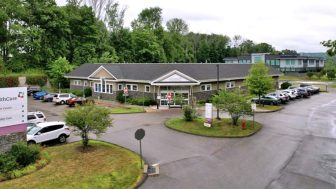
Stonington Institute provides substance use and co-occurring mental health treatment for adults on a 26-acre campus in North Stonington, Connecticut. They offer a specialized program for military members and veterans that addresses substance use and post-traumatic stress disorder.
Emphasizing Engagement
I noted they have various programs including detox services that focus on engagement to help guests overcome addiction. You have a semi-private room and 24/7 nursing supervision. Detox is medically monitored for safety and comfort with daily physician rounds.
The team helps us understand the disease of addiction and provides a long-term recovery plan that assists us during and after treatment. They introduce you to the 12 step model of recovery once you complete detox for interaction with others who share the goal of lasting sobriety.
Flexible Treatment Options
For those who don’t need constant supervision and structure, they include outpatient treatment. Medication-assisted treatment (MAT) is available to help ease withdrawal symptoms for clients with opioid addiction. They use the FDA-approved medicines Vivitrol and Suboxone to make guests more comfortable.
The military program is a 28 day rehab dedicated to stigma-free care. They understand how stressful military life can be and work with you to develop strategies to promote positive, healthy decision making regarding substance use.
They work with many private health insurance plans including TRICARE. They do not accept Medicare.
Amenities
Private drug rehab provides a comfortable, secure environment that allows you to focus on doing the work to get your life back on track. Benefits include a higher staff-to-client ratio, increased one-on-one time with therapists and healthcare providers, private rooms for clients, and customized forms of therapy.
Residential drug rehab provides the comforts of home with the therapeutic support needed to successfully recover. Benefits of an inpatient program include increased safety, a higher success rate, and the time and distance given to focus on recovery. Residential drug rehabs are often the preferred method of treatment, as they can be tailored to meet specific needs, offer focused therapeutic care, and provide the necessary tools to sustain recovery.
Art and music are mediums that connect with our feelings, making them a great recovery tool during addiction treatment. Studies show that combining art/music and drug rehab can have a greater therapeutic impact than drug rehab alone, as you’re able to access parts of your brain and body that you may not have access to during traditional talk therapy. Benefits of art/music therapy include lowering stress and anxiety, promoting healthy neurochemicals, and providing stress relief.
Music can be extremely therapeutic, serving as a valuable healing tool and an integrative feature of a holistic treatment plan. A music room offers a large number of outlets, including singing, playing musical instruments, and listening to music.
In order to maintain a sense of autonomy, many private rehab facilities offer clients the ability to choose their own private rooms. The privacy and personal space ensure that the recovery process is as comfortable as possible.
Addiction Treatment Programs
If you are looking for a young adult program in Connecticut, many options are available. Programs include inpatient, partial hospitalization programs (PHP), intensive outpatient programs (IOP), outpatient, aftercare, and dual diagnosis.
For those who have a substance use disorder, an adult program in Connecticut offers crucial support. Designed to treat individuals 18 and older, these rehab programs help adults learn how to live their lives free from dependence on substances.
Alcohol rehab in Connecticut is not a one-size-fits-all solution. That’s why a variety of programs and treatment methods are available to meet you where you are. Through personalized treatment, alcohol rehab is designed to help you achieve sobriety and maintain long-term recovery from alcohol use disorder.
Adults who attend men’s rehab in Connecticut have the opportunity to connect with other men who are struggling with similar addiction issues. This is important for recovery, as men are often more comfortable talking about their struggles with other men.
Women often find it easier to work through their addiction issues in women’s rehab in Connecticut. Surrounded by other women who understand their struggles, they can feel free to share openly and find support.
When you attend opioid rehab in Connecticut, you’re provided with the tools that are necessary to break free from opioid addiction. Treatment offers accountability, structure, and a sense of community. Methods typically include medication assisted treatment, individual therapy, and group counseling.
In Connecticut, cognitive behavioral therapy helps individuals identify impulsive thoughts and feelings of fear and self-doubt. It equips them to manage these negative thoughts and feelings without the use of substances.
Women often find it easier to work through their addiction issues in women’s rehab in Connecticut. Surrounded by other women who understand their struggles, they can feel free to share openly and find support.
Veteran’s rehab in Connecticut is designed for military personnel who are experiencing substance use disorder and need specialized treatment. Programs address commonly occurring dual diagnosis, such as PTSD and depression.
Rational emotive behavioral therapy in Connecticut is a commonly used substance use treatment method. This treatment can be applied in individual, family, and group therapy settings. It helps participants recognize triggers and unhealthy thinking patterns and create coping mechanisms to maintain sobriety.
EMDR Therapy is a neurobiological treatment modality used to address trauma disorders and related mental and behavioral health challenges. Short for eye movement desensitization and reprocessing, EMDR is designed to help clients cope with distressing memories and emotions, including fear, sadness, and anger. EMDR may help clients in addiction recovery manage the psychological and emotional triggers that contribute to substance misuse and/or addiction relapse.
Assertive Community Treatment (ACT) is an integrative, community-based care strategy designed to address the needs of persons with severe and/or complex mental illness or behavioral disorders. ACT is typically provided by a multidisciplinary team of medical and mental health care providers, social workers, therapists, and other specialists, including addiction recovery professionals. These services are frequently provided in the home and community to clients in crisis, those who are clinically unstable, and those who are unable or unwilling to travel to a hospital or clinic for in-person treatment.
Levels of Care
Many individuals turn to outpatient rehab in Connecticut after they complete an inpatient program. This treatment is less intensive and usually involves attending several counseling sessions per week and attending a support group such as NA or AA. Outpatient rehab may be short or long-term, depending on the needs of the individual.
When you have a co-occurring disorder, you have both a substance abuse disorder and a mental health disorder. Dual diagnosis in Connecticut specializes in treating both conditions simultaneously, which is crucial for successful recovery.
Inpatient drug rehab in Connecticut is the most intensive level of care for addiction treatment. Upon admission, they engage in extensive psychotherapy, receive recovery-focused life skills training, and participate in evidence-based complementary therapies, such as meditation, massage, acupuncture, and/or animal, creative arts, recreational, and experiential therapy.
Drug rehab in Connecticut typically starts with detox. This is the process of ridding your body of all addictive substances. This happens under supervision, so medical staff can treat withdrawal symptoms and help you through the process.
Sober living in Connecticut offers an interim step for the first few months of your recovery journey. It involves living in a supervised, sober residence that has structured rules and required 12-step meetings. Typical house rules include no drugs or alcohol, random drug tests, and involvement in work, school, or an outpatient rehab program.
For those looking to get a loved one started on a path toward recovery, intervention services in Connecticut can prove invaluable. Professional intervention specialists can help you facilitate an intervention, access resources to develop a treatment plan, and assist with admittance to drug rehab in Connecticut.
Accreditations
Contact Information


 Sponsored