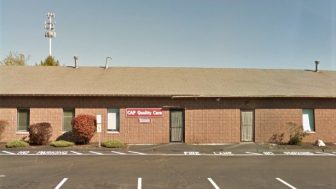
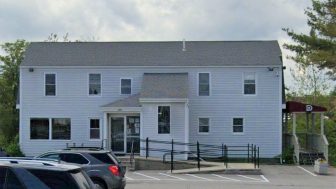
MaineHealth Behavioral Health at Spring Harbor
123 Andover Rd
Westbrook, ME 04092
 Sponsored
About MaineHealth Behavioral Health at Spring Harbor
MaineHealth Behavioral Health at Spring Harbor is a nonprofit psychiatric hospital and substance use treatment provider located in Westbrook, Maine. As part of the MaineHealth system, they offer a continuum of care that includes inpatient stabilization, partial hospitalization, intensive outpatient programs, and medication assisted treatment. Patients benefit from a safe, therapeutic environment set on 50 private acres designed to support holistic healing.
An Emphasis on Mental Health
The facility provides integrated care for co-occurring disorders, psychiatric illnesses, and developmental challenges. It's worth noting that they do treat addiction in people who have co-occurring substance use disorder and a mental illness, but mental health is their primary focus, so they aren't a fit for people who have addiction without other mental health conditions.
Treatment Tracks for Varying Age Ranges and ASD
Services here range from acute hospital based inpatient care to outpatient support and opioid treatment programs for adults. Programs are designed for children, adolescents, and adults with behavioral health needs or substance use issues. I like that there are also specialized inpatient and outpatient tracks for youth and young adults with developmental disorders, such as autism spectrum disorder or ASD.
Ample Amenities
Located in Westbrook on a wooded campus, the center offers gym access, walking paths, and a restorative courtyard with a reflecting pool. Patients stay in private or semi private rooms that feature private baths and views of the natural surroundings. This stood out to me because hospital settings often have few amenities, so this facility appears to be a more comfortable and homey option.
MaineHealth Behavioral Health accepts most insurance plans, including Medicare and Medicaid. Patients can also request price estimates and apply for financial assistance to help cover the cost of treatment.
Amenities
Residential drug rehab provides the comforts of home with the therapeutic support needed to successfully recover. Benefits of an inpatient program include increased safety, a higher success rate, and the time and distance given to focus on recovery. Residential drug rehabs are often the preferred method of treatment, as they can be tailored to meet specific needs, offer focused therapeutic care, and provide the necessary tools to sustain recovery.
In order to maintain a sense of autonomy, many private rehab facilities offer clients the ability to choose their own private rooms. The privacy and personal space ensure that the recovery process is as comfortable as possible.
Addiction Treatment Programs
Adolescence is a time of unique social pressures and challenges. A young adult program in Maine addresses the recovery needs of individuals in this stage of life and gives them the tools they need to navigate it successfully.
A rehab adult program in Maine is designed for men and women ages 18 and older who are seeking help with addiction to drugs or alcohol. Programs vary, but many offer both inpatient and outpatient rehab and incorporate both individual and group therapy methods in treatment.
Alcohol rehab in Maine is for individuals whose lives are affected by excessive alcohol use. This treatment program aims to help individuals develop healthy lifestyle habits and remain permanently abstinent from alcohol.
The challenges men face when battling addiction are often different than women. That’s why men’s rehab in Maine is designed to distinctly treat men and their unique needs.
Women’s rehab in Maine allows women in treatment to feel more comfortable and safer during treatment and achieve better recovery outcomes. This is due to the gender-specific treatment they receive and the peer connections they can form during treatment.
Opioid rehab in Maine combines the use of medication assisted treatment, recovery support, and aftercare to help individuals recover from opioid addiction. Programs typically incorporate 12-step components, detox, medication assisted treatment, and evidence-based therapies.
Cognitive behavioral therapy in Maine involves specific exercises that help individuals overcome addiction. Techniques include thought records, behavioral experiments, imagery-based exposure, and pleasant activity schedules.
Drug rehab in Maine is the process of helping someone learn how to live without the use of substances. Professional staff provide treatment to address the various issues of addiction. Methods often involve medication, counseling, and evidence-based therapies.
Seniors who are struggling with addiction can find a recovery haven at elderly rehab in Maine. These programs provide a safe space among peers where seniors are comfortable sharing and participating more, which generates better recovery outcomes.
Rational emotive behavioral therapy in Maine addresses the irrational belief systems that cause emotional dysfunction and can lead to substance abuse. This treatment method focuses on identifying these irrational beliefs and replacing them with healthy ones.
Assertive Community Treatment (ACT) is an integrative, community-based care strategy designed to address the needs of persons with severe and/or complex mental illness or behavioral disorders. ACT is typically provided by a multidisciplinary team of medical and mental health care providers, social workers, therapists, and other specialists, including addiction recovery professionals. These services are frequently provided in the home and community to clients in crisis, those who are clinically unstable, and those who are unable or unwilling to travel to a hospital or clinic for in-person treatment.
Moral Reconation Therapy (MRT) is a form of psychotherapy commonly used in addiction recovery. Based on cognitive behavioral therapy (CBT), moral reconation therapy (MRT) helps clients recognize unhealthy and/or harmful thought patterns and to replace them with more positive and productive ones. MRT is designed to empower clients to make healthier life choices and to more effectively align their behaviors with their moral values.
Levels of Care
Dual diagnosis treatment in Maine actively treats co-occurring mental health disorders, such as bipolar disorder, anxiety, or depression, as well as addiction. Common methods include medication management, behavior and cognitive therapies, and counseling.
Maine aftercare rehab gives you the confidence and the support you need to face life challenges and continue moving forward in recovery. After completing a rehab program, aftercaret offers ongoing support through 12-step groups, counseling, and life coaching for as long as you need it.
Inpatient rehab in Maine is designed primarily for clients exiting detox, people in early recovery, and those at an elevated risk of relapse. You'll reside at the rehab facility until you complete your treatment program, which allows you to focus solely on your recovery,
Sober living in Maine helps you strengthen your coping skills and learn how to trust yourself to live a sober life. You’ll live with others in recovery while attending 12-step meetings and abstaining from drugs and alcohol. When you feel ready to leave this structured environment, you are free to move to more independent living. This usually happens after a few months.
Intervention staff work with your loved one to help them begin their recovery journey. Services may include pre-intervention counseling for family members, facilitation of an intervention, access to treatment resources, and assistance with program selection and admittance to drug rehab in Maine.
Accepted Insurance

Contact Information


 Sponsored