Spirit of Excellence Community Outreach Inc.
123 Henderson Dr
Jacksonville, NC 28540
 Sponsored
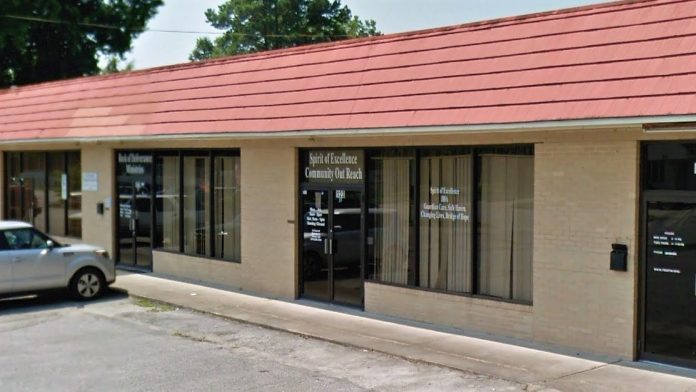
About Spirit of Excellence Community Outreach Inc.
Spirit of Excellence Community Outreach is an addiction and mental health treatment facility located in Jacksonville, North Carolina that seeks to help adolescents and adults in need.
The facility currently accepts Medicaid, TRICARE, Blue Cross Blue Shield, and other forms of insurance as payment. Uninsured clients can opt to privately pay for their treatment using self payment options.
Outpatient Addiction and DWI Programs
One of the primary services offered at this facility is customized substance abuse treatment plans to help clients reach and maintain sobriety. The facility offers individual or group therapy for clients seeking out short term help.
These outpatient therapy sessions are flexible and best suited for clients struggling with substance abuse, PTSD, depression, and other mental health concerns. I noticed that the facility also offers driving while intoxicated (DWI) services.
For clients who need more intense care, the clinic offers substance abuse intensive outpatient treatment. This support is most effective for clients in need of longer lasting services or those who are earlier in their recovery and need more stability and accountability.
Making Connections and Facilitating Change Since 2004
One of the things that I think sets Spirit of Excellence Community Outreach apart from other facilities is their dedication to helping individuals in need of some form of assistance. This includes people with disabilities and those who are unable to take care of themselves.
One unique outpatient service offered at the facility is an adult day care program that teaches basic life skills that can significantly improve a person’s overall quality of life.
The facility was built on the foundations of love and a passion for helping all community members.
Amenities
Private drug rehab provides a comfortable, secure environment that allows you to focus on doing the work to get your life back on track. Benefits include a higher staff-to-client ratio, increased one-on-one time with therapists and healthcare providers, private rooms for clients, and customized forms of therapy.
Addiction Treatment Programs
An adult program in North Carolina typically combines individual and group counseling, medical treatment, and various other therapies to treat substance use disorders. Treatment can take place in an inpatient or outpatient setting.
Alcohol rehab in North Carolina is a course of treatments that helps participants overcome alcohol dependency. Treatments address physical, mental, and emotional aspects of substance use disorder and help the individual develop healthy habits for long-term recovery.
Men’s rehab in North Carolina offers customized treatment for men. These programs provide personalized treatment that is designed with the unique needs of men in mind.
Veteran’s rehab in North Carolina offers trauma-informed therapy from experienced mental health professionals. These programs offer a supportive and understanding environment to help Veterans recover from substance use disorders and manage co-occurring conditions.
To overcome opioid addiction, attend opioid rehab in North Carolina. Treatment takes place in inpatient or outpatient care, using a variety of therapies, medications, and other helpful interventions. Length of treatment caries, typically lasting 30, 60, or 90 days.
Women’s rehab in North Carolina allows women to receive gender-specific treatment tailored to their needs. Programs are available for alcohol, heroin, prescription drugs, benzos, and any other addictive substances, as well as co-occurring disorders.
Levels of Care
When you choose inpatient drug rehab in North Carolina, you’ll live at a rehab facility for 28 to 90 days, depending on the program. Typical methods of treatment include group and individual therapy and family counseling.
Outpatient rehab in North Carolina is often the next step for those who complete an inpatient program. This less restrictive treatment involves several hours of therapy per week, and accountability through 12-step meetings such as AA. You’ll continue this treatment as long as needed, which could be weeks, months, or years.
Some of the most common co-occurring mental health disorders include anxiety, depression, and eating disorders. When these are present alongside substance use disorder, dual diagnosis treatment in North Carolina is necessary to address both conditions.
Accreditations
Accepted Insurance
Contact Information


 Sponsored