Spirit and Associates
2455 Brandywine Lane
York, PA 17404
 Sponsored
About Spirit and Associates
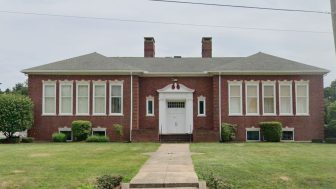
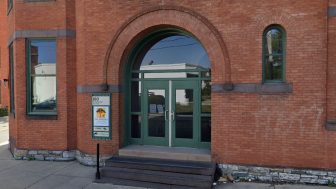
Located in the heart of York, Pennsylvania’s historic downtown, Spirit & Associates is a distinctive outpatient addiction treatment center that goes beyond traditional rehab models. Steps from the York County Courthouse and local public transit, the center feels grounded in community and deeply personal support.
What caught my attention is their philosophy: S.P.I.R.I.T. It stands for Special People Inspiring Recovery in Time. More than just a name, spirit is a mindset that recognizes the courage of families and friends who take that first difficult step toward helping someone in crisis—even when that person doesn’t want help.
Spirit & Associates accepts Medical Assistance (Medicaid), which makes this a good option if cost is a barrier. While details on other payment methods are not readily available on their website, it’s encouraging that they are committed to keeping services accessible.
Comprehensive Outpatient Support and Court Evaluations
Programming at Spirit & Associates is tailored for adults navigating substance abuse and mental health challenges, including those referred by the criminal justice system. You’ll find a full range of outpatient services here: individual and couples counseling, group therapy, and relapse prevention, all in a confidential and clinically-focused setting.
They focus heavily on real-life recovery skills, helping clients reintegrate, not isolate. I like that virtual therapy is available for clients who are not local to the facility.
They also offer 5329 custody evaluation services, led by a Certified Alcohol and Drug Counselor with a background in clinical and correctional settings. If you’re navigating a custody case and substance abuse is a concern, this type of specialized support can be invaluable.
A Team Approach to Intervention
Spirit & Associates takes a team interventionist approach. Their method was created by certified addiction counselors and interventionists with 40+ years of experience leading successful interventions. Together, these professionals have achieved a success rate of around 90%, which is impressive by any standard.
Amenities
Private drug rehab provides a comfortable, secure environment that allows you to focus on doing the work to get your life back on track. Benefits include a higher staff-to-client ratio, increased one-on-one time with therapists and healthcare providers, private rooms for clients, and customized forms of therapy.
Residential drug rehab provides the comforts of home with the therapeutic support needed to successfully recover. Benefits of an inpatient program include increased safety, a higher success rate, and the time and distance given to focus on recovery. Residential drug rehabs are often the preferred method of treatment, as they can be tailored to meet specific needs, offer focused therapeutic care, and provide the necessary tools to sustain recovery.
Wilderness rehab programs offer all the benefits of a traditional drug rehab, but with the added benefits of outdoor adventure. Venture out into the forest to learn new skills, explore the beauty of nature, and relieve stress. Engaging in wilderness activities is a great way to gain self-discovery and release negative emotions.
Addiction Treatment Programs
The Keystone State offers many resources for those struggling with substance use disorders. Each adult program in Pennsylvania provides individualized care, to meet people where they are and help them take the next step on their recovery journey.
Alcohol rehab in Pennsylvania uses various treatment techniques to teach you how to change your lifestyle, living environment, and social connections. These changes help you control urges to drink and learn how to prevent relapse.
Cognitive behavioral therapy in Pennsylvania helps participants identify inaccurate thinking and learned patterns of negative behavior and how to change them. It gives participants the skills to relieve their symptoms without turning to substances.
Men’s rehab in Pennsylvania can help men receive support from other men who understand their challenges. This provides a sense of camaraderie that relieves feelings of isolation.
Opioid rehab in Pennsylvania often includes medication assisted treatment, which helps alleviate withdrawal. This treatment is combined with other therapies that give you skills to navigate addiction and achieve long-term recovery.
Elderly rehab in Pennsylvania works with older adults who are facing addiction. Common services include management of chronic health conditions, case management, and education about prescription medications.
Women’s rehab in Pennsylvania helps females struggling with substance use disorders build the skills necessary to maintain sobriety. Treatment is designed to help women stay on track for long-term recovery.
A young adult program in Pennsylvania provides a comfortable, age-appropriate environment for treatment. These programs offer life skills education, individualized treatment, family therapy, and aftercare.
Levels of Care
While undergoing outpatient treatment in Pennsylvania, you’ll work through challenges such as cravings, social skills, and relapse prevention as you meet with a recovery expert and attend 12-step meetings. This treatment may last a few weeks or several months, depending on your recovery needs.
Following rehab, you can receive much-needed ongoing support through aftercare rehab in Pennsylvania. Services may include financial planning, career guidance, legal advice, and other practical supports, as well as counseling and 12-step groups. Taking advantage of these resources greatly reduces the chance of relapse.
Mental illness and substance abuse are so integrated that they must be treated together. Ignoring one and treating the other doesn’t work. Dual diagnosis treatment in Pennsylvania effectively addresses both mental health and substance abuse disorders, for the best outcomes.
Intervention specialists are often a key part of the recovery process. These professionals provide pre-intervention counseling to family members, assistance with intervention facilitation, and valuable resources and insight to develop an effective treatment plan for drug rehab in Pennsylvania.
Accreditations
Contact Information


 Sponsored