Southwood Childrens Behavioral Healthcare
2575 Boyce Plaza Road
Pittsburgh, PA 15241
 Sponsored
About Southwood Childrens Behavioral Healthcare
Southwood Children’s Behavioral Healthcare is a children and teen substance use treatment provider and behavioral health hospital in Pittsburgh, Pennsylvania that serves youth with mental health and co-occurring needs.
Programs available here include acute inpatient care, specialized residential tracks, a short-term psychiatric residential treatment facility (PRTF) for stabilization and family-based in-home services. Families often highlight the supportive staff and the structured environment designed to help young people feel safe while they heal.
Inpatient and Residential Care in Pittsburgh
Southwood offers acute inpatient care for severe mental health crises (ages four to 18), residential programs including CHOICES and an IDD/ASD-focused track, and Family-Based Mental Health Services delivered in the home (ages three to 18). The CHANGES PRTF is a short-term psychiatric residential program for adolescents (12 to 17) that includes stabilization for mental health and substance abuse needs.
Serene and Secluded Location for Healing
The hospital serves children and adolescents ages three 21 including transgender youth. Some residential tracks are program-specific including CHOICES for adolescent males (10 to 18) and the IDD/ASD program for males ages six to 21 with developmental or autism-related needs alongside mental health diagnoses.
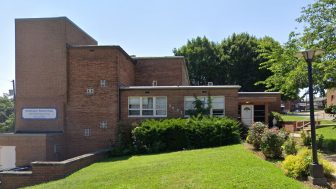
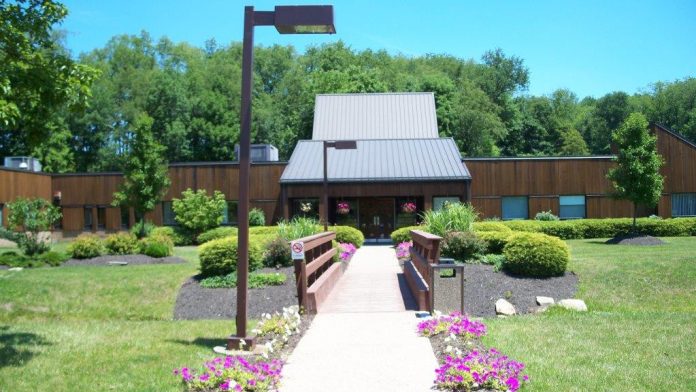
Southwood is located in the Boyce Plaza area just south of Pittsburgh in a wooded southwestern Pennsylvania landscape that feels secluded and therapeutic. The campus includes outdoor courtyards with basketball courts and a large indoor gym that supports structured recreation alongside treatment.
What to Expect Day to Day
Care here is grounded in trauma-informed cognitive behavioral therapy (CBT) with medication management, individual therapy, and group therapy offered multiple times daily.
Youth may also participate in experiential therapies like art, music, and yoga with family therapy and parental involvement strongly prioritized.
Covering the Cost of Care
Southwood accepts almost all major insurance providers and is certified for TRICARE with plans including Blue Cross Blue Shield, Aetna, United Behavioral Health, UPMC, Geisinger, and Cigna (with some inpatient only notes). Admissions staff can help families understand coverage and navigate available payment options.
Getting started typically begins with reaching out for an assessment so the team can match your child to the most appropriate level of care. Admissions staff can also walk you through insurance and program fit based on age and clinical needs.
Amenities
Art and music are mediums that connect with our feelings, making them a great recovery tool during addiction treatment. Studies show that combining art/music and drug rehab can have a greater therapeutic impact than drug rehab alone, as you’re able to access parts of your brain and body that you may not have access to during traditional talk therapy. Benefits of art/music therapy include lowering stress and anxiety, promoting healthy neurochemicals, and providing stress relief.
When used as part of an evidence-based treatment plan, basketball can boost physical and mental health, lead to sharper thinking, and facilitate improved self-esteem. Drug rehabs with a basketball court also place a focus on teamwork and cooperation.
Addiction treatment programs provide an opportunity to get your life back on track with access to school classes or college courses. Whether you want to finish your GED or go back to school to learn a new trade, facilities often enlist tutors and teachers who are certified or licensed by the state to oversee self-study or distance-learning education.
When paired with cognitive-behavioral therapy, exercise can be an effective tool for overcoming addiction. Drug rehabs with a gym offer clients healthy ways to increase energy levels, balance the body’s stress hormone levels, and aid in the brain’s healing process.
Music can be extremely therapeutic, serving as a valuable healing tool and an integrative feature of a holistic treatment plan. A music room offers a large number of outlets, including singing, playing musical instruments, and listening to music.
Recreational therapy uniquely combines therapeutic interventions with an activity, like horse-riding, hiking, wilderness therapy, basketball, tennis, or a full workout. Benefits of recreational therapy include providing a healthy way to work through the emotions of recovery, learning to build and maintain relationships, improving communication skills, and building self-esteem.
Treatment centers with a yoga studio offer a special form of holistic therapy during the recovery process. Yoga boosts mindfulness, a sense of calm, and healthy reflection during drug rehab via breathing exercises, stretching, and a progression of specific postures.
Private drug rehab provides a comfortable, secure environment that allows you to focus on doing the work to get your life back on track. Benefits include a higher staff-to-client ratio, increased one-on-one time with therapists and healthcare providers, private rooms for clients, and customized forms of therapy.
Residential drug rehab provides the comforts of home with the therapeutic support needed to successfully recover. Benefits of an inpatient program include increased safety, a higher success rate, and the time and distance given to focus on recovery. Residential drug rehabs are often the preferred method of treatment, as they can be tailored to meet specific needs, offer focused therapeutic care, and provide the necessary tools to sustain recovery.
In order to maintain a sense of autonomy, many private rehab facilities offer clients the ability to choose their own private rooms. The privacy and personal space ensure that the recovery process is as comfortable as possible.
Addiction Treatment Programs
A young adult program in Pennsylvania provides a comfortable, age-appropriate environment for treatment. These programs offer life skills education, individualized treatment, family therapy, and aftercare.
The Keystone State offers many resources for those struggling with substance use disorders. Each adult program in Pennsylvania provides individualized care, to meet people where they are and help them take the next step on their recovery journey.
Alcohol rehab in Pennsylvania uses various treatment techniques to teach you how to change your lifestyle, living environment, and social connections. These changes help you control urges to drink and learn how to prevent relapse.
Men’s rehab in Pennsylvania can help men receive support from other men who understand their challenges. This provides a sense of camaraderie that relieves feelings of isolation.
Women’s rehab in Pennsylvania helps females struggling with substance use disorders build the skills necessary to maintain sobriety. Treatment is designed to help women stay on track for long-term recovery.
Cognitive behavioral therapy in Pennsylvania helps participants identify inaccurate thinking and learned patterns of negative behavior and how to change them. It gives participants the skills to relieve their symptoms without turning to substances.
Drug rehab in Pennsylvania is devoted to the treatment of addiction. Levels of care, treatment methods, and settings differ, but the aim of each program is to end drug dependency and empower participants to achieve long-term recovery.
Elderly rehab in Pennsylvania works with older adults who are facing addiction. Common services include management of chronic health conditions, case management, and education about prescription medications.
Designed for Veterans of all ages, Veteran’s rehab in Pennsylvania can be a good fit for those seeking treatment for alcohol use disorder, chemical dependency, and co-occurring mental health disorders. Treatment is typically designed for active-duty military members and Veterans, and may also include first responders.
Levels of Care
While undergoing outpatient treatment in Pennsylvania, you’ll work through challenges such as cravings, social skills, and relapse prevention as you meet with a recovery expert and attend 12-step meetings. This treatment may last a few weeks or several months, depending on your recovery needs.
Mental illness and substance abuse are so integrated that they must be treated together. Ignoring one and treating the other doesn’t work. Dual diagnosis treatment in Pennsylvania effectively addresses both mental health and substance abuse disorders, for the best outcomes.
When first starting drug rehab in Pennsylvania, many individuals begin with inpatient rehab. This involves staying at the facility 24/7 and receiving a variety of treatment methods that typically include group and individual counseling.
Intervention specialists are often a key part of the recovery process. These professionals provide pre-intervention counseling to family members, assistance with intervention facilitation, and valuable resources and insight to develop an effective treatment plan for drug rehab in Pennsylvania.
Accreditations
Contact Information


 Sponsored