
Southern Iowa Mental Health Center
 Sponsored
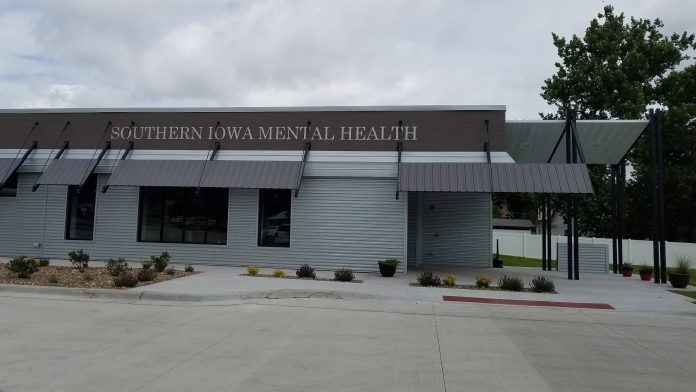
About Southern Iowa Mental Health Center
Outpatient substance use treatment is available at Southern Iowa Mental Health Center, an addiction treatment center in Ottumwa. Two psychiatrists work there and a pharmacy is in the same building.
The center has offered community mental health care in Iowa since 1966 and it admits adults and children of any gender or sexual identity.
I want to note that Naltrexone (a medication used to treat opioid addiction) is offered for addiction.
Paying for Ottumwa Care
Medicare and Medicaid are among the plans Southern Iowa Mental Health Center accepts. A public payer on that list lets you start working out the cost, though it doesn't say what a specific plan pays.
The reason a fee can follow income is that household size and earnings differ from one family to the next. That discount follows family size and income. Self pay discounts are offered, as is an in-house scholarship.
I want to add that no one is denied care because they can't pay. The 23 hour crisis observation unit is on site for a mental health or substance abuse crisis.
Every service is available by telehealth as well as in person in Ottumwa, so you can fit treatment around a workday.
Crisis Stabilization services reach the counties of Wapello and Mahaska, plus Davis, Monroe and Appanoose.
Amenities
Residential drug rehab provides the comforts of home with the therapeutic support needed to successfully recover. Benefits of an inpatient program include increased safety, a higher success rate, and the time and distance given to focus on recovery. Residential drug rehabs are often the preferred method of treatment, as they can be tailored to meet specific needs, offer focused therapeutic care, and provide the necessary tools to sustain recovery.
Addiction Treatment Programs
Adults come here for mental health therapy, substance use treatment and medication management, and children are served too.
Triggers can cause a person who is addicted to crave a substance and relapse. Cognitive behavioral therapy in Iowa teaches people how to manage these triggers in multiple ways that don’t involve turning to substances.
EMDR Therapy is a neurobiological treatment modality used to address trauma disorders and related mental and behavioral health challenges. Short for eye movement desensitization and reprocessing, EMDR is designed to help clients cope with distressing memories and emotions, including fear, sadness, and anger. EMDR may help clients in addiction recovery manage the psychological and emotional triggers that contribute to substance misuse and/or addiction relapse.
Men’s rehab in Iowa offers multiple levels of care. Treatment programs designed for men include inpatient, outpatient, partial hospitalization programs (PHP), intensive outpatient programs (IOP), detox, and sober living.
Women and men react differently biologically, emotionally, and socially to substance abuse and addiction. That’s why women’s rehab in Iowa provides treatment targeted to meet women’s needs.
Women and men react differently biologically, emotionally, and socially to substance abuse and addiction. That’s why women’s rehab in Iowa provides treatment targeted to meet women’s needs.
Assertive Community Treatment (ACT) is an integrative, community-based care strategy designed to address the needs of persons with severe and/or complex mental illness or behavioral disorders. ACT is typically provided by a multidisciplinary team of medical and mental health care providers, social workers, therapists, and other specialists, including addiction recovery professionals. These services are frequently provided in the home and community to clients in crisis, those who are clinically unstable, and those who are unable or unwilling to travel to a hospital or clinic for in-person treatment.
Levels of Care
SIMHC is an outpatient program, offering mental health care for people who don't need an overnight stay, alongside its crisis services.
Mental health therapy, substance use treatment and medication management are all offered here, for adults and children alike.
Once you’ve completed treatment, Iowa aftercare rehab helps you adapt to everyday life. It addresses issues and challenges associated with recovery. It offers practical support to help you maintain a sober lifestyle. This may continue as long as you need it, which for most people is at least one year after initial sobriety.
Accreditations
Accepted Insurance

Contact Information


 Sponsored
Natalie is a recent graduate of Purdue University, where she studied psychology and creative writing. Every morning, she’s fueled by a cup of tea and her passion for making sure mental health resources are accessible to everyone. In her spare time, she loves writing poetry by her window, where she can watch the sunrise.
Rehabs.org regularly reviews this listing for accuracy but changes may occur between updates. For the most up-to-date information, please contact Southern Iowa Mental Health Center.
Nearby Treatment Centers

1020 North Quincy Avenue, Suite 1, Ottumwa, IA 52501
1001 E Pennsylvania Ave
Ottumwa, IA 52501

1010 E. Williams St.
Ottumwa, IA 52501

1229 C Avenue East
Oskaloosa, IA 52577
Popular Iowa Cities
More Cities View Other Iowa CitiesFAQs
What insurance does Southern Iowa Mental Health Center take?
Most plans, including Medicare, Medicaid, Blue Cross and United Health Care. Without insurance, ask about self pay discounts, the sliding fee scale based on family size and income, or the in-house scholarship plan. No one is denied services for inability to pay. Read about Medicare coverage for treatment.
What levels of care does SIMHC offer?
The care here is outpatient mental health care and crisis services, covering therapy, substance use treatment and medication management for adults and children. Everything is available in person or via telehealth. Crisis Stabilization is offered at the Access Center as a residential service, or in a patient’s home. More on outpatient rehab.
Who can get treatment at the center?
Adults and children alike. The center aims for access to quality mental health treatment for all people, regardless of race, religion, gender, socioeconomic status or sexual identity.
What therapies does the center use?
Cognitive behavioral therapy and EMDR, which stands for eye movement desensitization and reprocessing, are among the approaches here. ACT is a program of outpatient services at the center.
