
Southern Highlands Community Mental Health Center — Legends
200 12th Street Extension
Princeton, WV 24740
 Sponsored
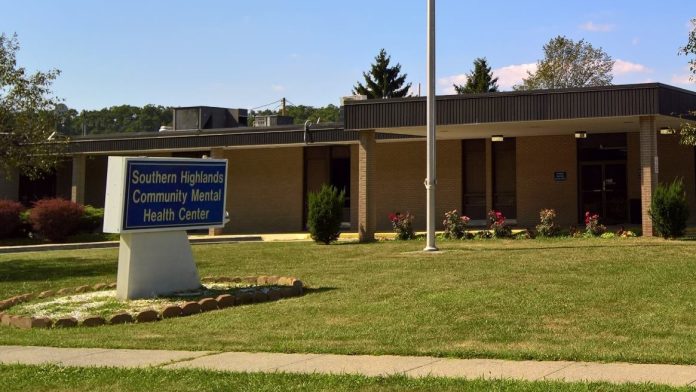
About Southern Highlands Community Mental Health Center — Legends
Southern Highlands Community Mental Health Center is a substance use treatment provider in Princeton, West Virginia, serving as a Certified Community Behavioral Health Clinic for the wider Southern West Virginia region.
I've found that the Princeton Clinic offers a full continuum of care, including outpatient services, medical detox coordination, medication assisted treatment, residential programs and long-term recovery support.
MAT Care with Same Day Induction
Southern Highlands provides assessment, individual and group counseling, case management, life-skills training, relapse prevention and peer recovery support.
Medication assisted treatment includes Suboxone and Vivitrol with same day induction, and residential programs include LEGENDS, WAVES, INSPIRES and RISE.
Lifespan and Gender Specific Tracks
The center serves children, teens, adults, families and veterans, treating opioid, alcohol, stimulant and polysubstance use disorders.
Gender specific residential tracks are available, and the WAVES program offers specialized support for pregnant women up to 24 weeks.
Clients and reviewers often highlight the supportive staff and life-changing care, with one sharing that the clinic "saved me from dying."
Accepts All West Virgina Medicaid and Other Insurance
Southern Highlands accepts all West Virginia Medicaid plans, Medicare Part B and many private insurers like Aetna, Cigna and United Healthcare.
A sliding fee scale is offered, and no patient is turned away due to inability to pay.
The Princeton Clinic sits at 200 12th Street Extension in Princeton, serving Mercer, McDowell and Wyoming counties.
Amenities
When paired with cognitive-behavioral therapy, exercise can be an effective tool for overcoming addiction. Drug rehabs with a gym offer clients healthy ways to increase energy levels, balance the body’s stress hormone levels, and aid in the brain’s healing process.
In order to maintain a sense of autonomy, many private rehab facilities offer clients the ability to choose their own private rooms. The privacy and personal space ensure that the recovery process is as comfortable as possible.
Private drug rehab provides a comfortable, secure environment that allows you to focus on doing the work to get your life back on track. Benefits include a higher staff-to-client ratio, increased one-on-one time with therapists and healthcare providers, private rooms for clients, and customized forms of therapy.
Transportation services are designed to ensure your addiction treatment begins and ends successfully by offering free transportation to the rehab facility, to and from your appointments during rehab, and back home upon program completion.
Recreational therapy uniquely combines therapeutic interventions with an activity, like horse-riding, hiking, wilderness therapy, basketball, tennis, or a full workout. Benefits of recreational therapy include providing a healthy way to work through the emotions of recovery, learning to build and maintain relationships, improving communication skills, and building self-esteem.
Residential drug rehab provides the comforts of home with the therapeutic support needed to successfully recover. Benefits of an inpatient program include increased safety, a higher success rate, and the time and distance given to focus on recovery. Residential drug rehabs are often the preferred method of treatment, as they can be tailored to meet specific needs, offer focused therapeutic care, and provide the necessary tools to sustain recovery.
Addiction Treatment Programs
Adults aged 18 and older can find help for substance use disorders at an adult program in West Virginia. These programs offer support for addiction-related issues and co-occurring mental health concerns.
Alcohol rehab in West Virginia varies by program, but most involve common elements. Individual and group counseling, 12-step support, and medical assistance provide treatment that addresses physical, mental, and emotional needs, with the goal of achieving long-term sobriety.
Assertive Community Treatment (ACT) is an integrative, community-based care strategy designed to address the needs of persons with severe and/or complex mental illness or behavioral disorders. ACT is typically provided by a multidisciplinary team of medical and mental health care providers, social workers, therapists, and other specialists, including addiction recovery professionals. These services are frequently provided in the home and community to clients in crisis, those who are clinically unstable, and those who are unable or unwilling to travel to a hospital or clinic for in-person treatment.
In West Virginia, cognitive behavioral therapy includes skills training, behavioral strategies, and psychoeducation. Treatment strategies include social supports, learning effective communication skills, setting goals, and altering thought patterns to avoid triggers.
Men’s rehab in West Virginia helps participants understand how substances affect the male body and teaches them how develop coping skills that work well for men. It also provides mutual support from other men who understand their struggles.
Common goals of opioid rehab in West Virginia include breaking physical dependence on opioids, learning to manage cravings, building self-confidence, and developing stress-coping mechanisms. These tools help you overcome the damage caused by addiction and prevent future relapse.
Women’s rehab in West Virginia focuses on the unique needs of drug or alcohol dependent women. Women have different physical, social, and psychological needs than men, which are taken into account during treatment.
A young adult program in West Virginia combines guidance, training, and coaching to teach individuals in their teens and twenties how to make healthy choices. Participants work on recovery goals in individual and group therapy that is tailored to this age group.
Levels of Care
As the first step of drug rehab in West Virginia, medical professionals will set up a detox program for you. This is the process of slowly and safely ridding your body of addictive substances. It may include medication to alleviate withdrawal.
Inpatient rehab in West Virginia is often a good fit for people exiting detox, in early recovery, or those in crisis situations that may increase the risk of relapse.. You will live at the rehab facility while you receive treatment, extensive addiction counseling, and recovery education.
If you’re in long-term recovery and need ongoing counseling and support, outpatient rehab in West Virginia is a good option. This treatment is tailored to your recovery journey – lasting for weeks, months, or years. You’ll attend therapy and support group meetings during that time.
Life after rehab is challenging. That’s why West Virginia aftercare rehab exists. This continued support helps you overcome hurdles during the first year after treatment. Participating in this program gives you the tools you need to maintain a sober lifestyle.
If you struggle with a condition such as anxiety or depression along with addiction, it’s important to treat both disorders. Dual diagnosis treatment in West Virginia is designed to provide this co-occurring treatment, for the best recovery outcomes.
Contact Information


 Sponsored
Maygen Brockway, MTC, has more than 10 years of editing and writing experience. She’s written for the medical, wedding, fashion, and technical industries. She’s a poetry lover, coffee and whiskey drinker, social butterfly, and mom who lives in scenic Southern Utah. She has a Master’s in Technical Communication and loves writing.
Rehabs.org regularly reviews this listing for accuracy but changes may occur between updates. For the most up-to-date information, please contact Southern Highlands Community Mental Health Center — Legends.
Nearby Treatment Centers

1651 Unity Road
Princeton, WV 24739
1333 Southview Drive
Bluefield, WV 24701
421 Scott Street
Bluefield, WV 24701
200 12th Street Extension
Princeton, WV 24740
