South Georgia House of Hope
PO Box 489
Lake Park, GA 31636
 Sponsored
About South Georgia House of Hope
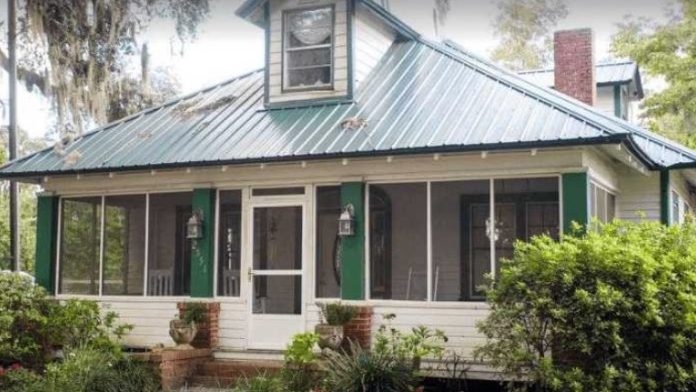
South Georgia House of Hope is a women’s residential addiction treatment program for women 18 and older. The house is located in Valdosta, Georgia, and was established as the result of the founder’s personal experience with abuse and addiction. What impresses me is that the program started when the founders moved out of their home so five women in recovery could live there. In 2006, after the donation of a farmhouse on 10 acres, the program opened to 12 residents. This is a Christian program that receives no government funding, and they don’t accept insurance. The program fee is $1,250 per month with a nonrefundable entrance fee of $750.
Getting Started at House of Hope
Entrance to the program requires an application, a minimum five-page letter detailing your life history, and a telephone or personal interview with the director. You’ll need to sign the financial agreement and include your nonrefundable $750 entrance fee plus the first month’s tuition of $1,250. The program lasts 12 months.
To begin the program, clients need a physical exam and must already be detoxed. There’s a drug test upon entering, and clients must test negative. The program doesn’t accept women who are currently taking psychiatric medications.
A Typical Day at House of Hope in Valdosta, Georgia
The daily schedule begins around 6:30 a.m. with quiet time to reflect with God. During this time, clients journal. There are different activities each day throughout this highly structured program. Some days you’ll spend the morning maintaining the property or gardening.
After lunch, there’s class time and group and personal studies. You’ll be expected to work in the thrift store three days per week. During the evening, there’s Bible study, worship, class time and event preparation, depending on the day. Weekday bedtime is 10:00 p.m.
I like that they place an emphasis on discovering and healing the root causes of your addiction, and time is given in the evening for this inner healing work. There’s also time for writing in your journal and prayers. Sundays are relaxed with family recovery work, visits, rest, free time and church.
Amenities
There are many pathways to recovery and some journeys take a more labor-intensive approach, by attending a farm-based drug rehab. Farm life has many parallels with recovery: it requires constant tending, nurturing, and creating the conditions necessary to thrive. The benefits of a farm program include learning new skills, building a recovery community, peer support, and contributing to a greater ecosystem.
Hiking is a great way to relieve stress, get perspective, navigate challenges, connect with nature, and improve your health - all essential components of sustaining long-term recovery. Studies also show that the body releases endorphins during physical activities like hiking. These endorphins improve mood and act as a natural pain reliever.
Private drug rehab provides a comfortable, secure environment that allows you to focus on doing the work to get your life back on track. Benefits include a higher staff-to-client ratio, increased one-on-one time with therapists and healthcare providers, private rooms for clients, and customized forms of therapy.
Transportation services are designed to ensure your addiction treatment begins and ends successfully by offering free transportation to the rehab facility, to and from your appointments during rehab, and back home upon program completion.
Addiction Treatment Programs
Treatment services at an adult program in Georgia are typically offered on a continuum of care. These intensity levels address unique needs as individuals progress through various stages of recovery.
The goal of alcohol rehab in Georgia is recovery. This is a process that helps individuals achieve remission from alcohol use disorder and refrain from unhealthy drinking habits. Treatment typically includes one-on-one and group therapy sessions.
Fitness therapy is an evidence-based complementary approach to addiction recovery and mental health care. Based on mounting scientific evidence of the benefits of physical activity in improving mood, enhancing clients’ sense of wellbeing, and decreasing depression and anxiety, fitness therapy encompasses a wide spectrum of intensities, from gentle yoga, qigong, and tai chi to weight training, kickboxing, and other highly physical activities.
When you attend opioid rehab in Georgia, you’ll find a safe and comfortable atmosphere that allows you to navigate a path to a healthier life. Choose from inpatient or outpatient programs that surround you with support and give you the tools you need for sobriety.
Addiction and substance use treatment affect men and women differently. Women’s rehab in Georgia addresses the internal and external factors that women face which differ from men.
A young adult program in Georgia focuses on the motivations, challenges, and needs of this stage of life. Participants receive treatment tailored to this age bracket.
By offering men’s rehab in Georgia, addiction treatment centers provide an outlet for men to build bonds with other men who are facing similar challenges. The relationships formed can help men reduce their risk of relapse.
Levels of Care
Upon entering an inpatient rehab in Georgia, you will reside at the treatment center for the duration of your program. While there, you'll participate in individual, group, and family therapy sessions, and you may receive medication and additional holistic therapies.
Georgia aftercare rehab helps you navigate sober living after treatment. As you re-enter life, you’ll have support to help you face challenges and avoid relapse. Most people need aftercare for several months, and it’s common to remain in aftercare for a year or more.
Both substance abuse and mental health disorders cause brain imbalances, so they often feed off each other. Treatment for dual diagnosis in Georgia provides access to addiction and mental health specialists, to effectively treat both conditions at once.
Sober living in Georgia provides a drug-free environment where you can learn to live a sober lifestyle. You’ll receive peer support while taking on responsibilities for household bills and chores and adhering to strict house rules. This structured setting can be helpful during your first few months after rehab treatment.
Contact Information


 Sponsored