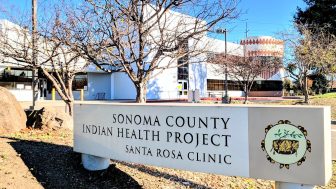
Sonoma County Behavioral Health
2227 Capricorn Way
Suite 207
Santa Rosa, CA 95407
 Sponsored
About Sonoma County Behavioral Health
Sonoma County Behavioral Health is located in Santa Rosa, California. They offer children, adolescents, and adults referrals to contracted alcohol and drug rehab and mental health treatment facilities. Their services and community partnerships cover a full continuum of care, including detox, intensive outpatient (IOP), outpatient (OP), medication-assisted treatment (MAT), and long-term aftercare programs.
Sonoma County Behavioral Health offers multiple specialized addiction recovery programs. These include Drug Free Babies for pregnant women or moms with babies younger than a year, Treatment Accountability for Safer Communities (TASC), and DUI classes. SonomaWORKS assists those in recovery in finding meaningful work.
Payment for Sonoma County Behavioral Health services may be reduced or free of charge for Sonoma County residents. Referrals for additional medical, addiction, or mental health treatments may be covered by private health insurers including Magellan Health, Kaiser Permanente, Beacon, Anthem, Cigna, Aetna, Wellmark, ComPsych, and Humana. Contact your health insurance provider to confirm coverage and out of network benefits.
Amenities
Private drug rehab provides a comfortable, secure environment that allows you to focus on doing the work to get your life back on track. Benefits include a higher staff-to-client ratio, increased one-on-one time with therapists and healthcare providers, private rooms for clients, and customized forms of therapy.
In order to maintain a sense of autonomy, many private rehab facilities offer clients the ability to choose their own private rooms. The privacy and personal space ensure that the recovery process is as comfortable as possible.
Addiction Treatment Programs
Typically, a young adult program in California can guide individuals from detox, through initial treatment, and extends to aftercare. Treatment gives young adults what they need to reset their lives and move to the next stage of life free from addiction.
An adult program in California uses various therapeutic methods to treat a person who is dependent on an addictive substance. Individuals aged 18 and older are eligible for treatment, which focuses on breaking the cycle of addiction and learning how to maintain sober living.
Women’s rehab in California provides a safe environment where women can work through addiction challenges surrounded by their gender peers. This often creates an environment that is more conducive to recovery.
When a person is struggling with addiction, their actions and emotions may not be rational. Cognitive behavioral therapy in California helps individuals understand better why they feel and act certain ways and how those emotions and actions can lead to substance abuse.
Seniors face unique challenges that may contribute to substance use disorder and co-occurring disorders. Elderly rehab in California is designed to address these challenges to provide relevant and safe treatment for seniors.
The incidence of substance abuse and addiction is higher among the LBGTQ community. That’s why LBGTQ-friendly rehab in California is available, to offer specialized treatment that addresses the unique needs of individuals in this demographic.
Veterans often face unique challenges from combat and military deployment. Veteran’s rehab in California addresses these issues as part of a comprehensive addiction treatment program.
Therapists often use rational emotive behavioral therapy in California to treat addiction. The ABC (activating event, beliefs, consequences) framework is used to help participants identify irrational beliefs and reframe their thinking in healthier ways.
Levels of Care
When you choose outpatient rehab in California, you will meet with a counselor and attend support group meetings. The focus will be on restructuring attitudes and thoughts to reduce cravings and develop skills to prevent relapse. The length of time in outpatient rehab varies by individual, based on their recovery needs.
When you have a co-occurring disorder, it is essential to treat both your addiction and the mental health disorder. California dual diagnosis treatment provides this type of multidisciplinary approach, for improved recovery outcomes.
Community support and relationship-building are key elements of aftercare rehab in California. You’ll receive recovery coaching, social support, and mentors to help you maintain sobriety after completing initial rehab treatment. This support will continue as long as you need it, which could be weeks or more than a year.
When you enter drug rehab in California, detox is the first step towards becoming drug-free. The detox process includes 24/7 monitoring and medical care and may include the use of medications to ease withdrawal symptoms.
Contact Information


 Sponsored