
Skyland Trail – Rollins Campus
1961 North Druid Hills Road Northeast
Atlanta, GA 30329
 Sponsored
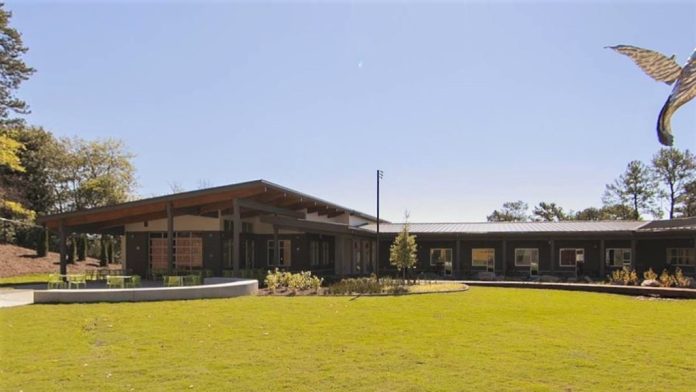
About Skyland Trail – Rollins Campus
Skyland Trail’s Rollins Campus in Atlanta, Georgia is an addiction treatment center offering comprehensive residential treatment for young adults aged 18 to 25 navigating substance use alongside mental health challenges.
This substance use treatment program prioritizes care for dual diagnosis conditions including mood disorders, trauma‐related illness, and psychotic symptoms. The facility combines evidence-based and holistic approaches to promote healing, resilience, and long-term wellness.
Addiction Treatment Programs in Atlanta
At this location, individuals receive 24/7 care in a structured, supportive environment.
Clients can expect individual and group therapies led by psychiatrists, psychologists, and therapists using cognitive behavioral therapy (CBT), dialectical behavior therapy (DBT, and cognitive processing therapy. Holistic elements like art and music therapy, horticulture, fitness and nutrition coaching and vocational or academic support are also integral.
I like that this faciilty offers special provisions for dual diagnosis, family involvement and treatment of self-harm or suicidal ideation. There's also a program called the Life Enrichment Adult Program (LEAP) that meets twice a week in the evenings and on weekends.
Starting Your Stay
Getting started in recovery at Skyland Trail’s Rollins Campus in Atlanta begins with an intake assessment to understand each client’s mental health and substance use history. The admissions team helps clarify appropriate levels of care and can explain coverage options under private insurance as well as any financial assistance that may be available.
After your residential stay, I found that you may transition into one of their outpatient programs. They offer a day treatment and partial hospitalization (PHP) program.
Amenities
Private drug rehab provides a comfortable, secure environment that allows you to focus on doing the work to get your life back on track. Benefits include a higher staff-to-client ratio, increased one-on-one time with therapists and healthcare providers, private rooms for clients, and customized forms of therapy.
Residential drug rehab provides the comforts of home with the therapeutic support needed to successfully recover. Benefits of an inpatient program include increased safety, a higher success rate, and the time and distance given to focus on recovery. Residential drug rehabs are often the preferred method of treatment, as they can be tailored to meet specific needs, offer focused therapeutic care, and provide the necessary tools to sustain recovery.
Recreational therapy uniquely combines therapeutic interventions with an activity, like horse-riding, hiking, wilderness therapy, basketball, tennis, or a full workout. Benefits of recreational therapy include providing a healthy way to work through the emotions of recovery, learning to build and maintain relationships, improving communication skills, and building self-esteem.
Art and music are mediums that connect with our feelings, making them a great recovery tool during addiction treatment. Studies show that combining art/music and drug rehab can have a greater therapeutic impact than drug rehab alone, as you’re able to access parts of your brain and body that you may not have access to during traditional talk therapy. Benefits of art/music therapy include lowering stress and anxiety, promoting healthy neurochemicals, and providing stress relief.
Music can be extremely therapeutic, serving as a valuable healing tool and an integrative feature of a holistic treatment plan. A music room offers a large number of outlets, including singing, playing musical instruments, and listening to music.
In order to maintain a sense of autonomy, many private rehab facilities offer clients the ability to choose their own private rooms. The privacy and personal space ensure that the recovery process is as comfortable as possible.
Addiction Treatment Programs
A young adult program in Georgia focuses on the motivations, challenges, and needs of this stage of life. Participants receive treatment tailored to this age bracket.
Treatment services at an adult program in Georgia are typically offered on a continuum of care. These intensity levels address unique needs as individuals progress through various stages of recovery.
The goal of alcohol rehab in Georgia is recovery. This is a process that helps individuals achieve remission from alcohol use disorder and refrain from unhealthy drinking habits. Treatment typically includes one-on-one and group therapy sessions.
By offering men’s rehab in Georgia, addiction treatment centers provide an outlet for men to build bonds with other men who are facing similar challenges. The relationships formed can help men reduce their risk of relapse.
Addiction and substance use treatment affect men and women differently. Women’s rehab in Georgia addresses the internal and external factors that women face which differ from men.
Negative thought patterns can lead to substance abuse as a way to self-medicate. During cognitive behavioral therapy in Georgia, individuals learn how to identify and stop these negative patterns and manage them in healthy ways that don’t involve substances.
A quality drug rehab in Georgia can help you overcome addiction. This environment is designed to help you address the complex issues contributing to drug dependence. The goal of treatment is to give you the tools you need to make a full recovery.
For older adults in need of addition treatment, elderly rehab in Georgia offers a variety of treatment options. Levels of care include inpatient programs, outpatient treatment, medical detox, preventive services, and aftercare. Each is designed to meet the needs of senior clients..
LGBTQ-friendly rehab in Georgia addresses the unique needs of a diverse population. By tailoring treatment to meet these unique needs, rehabs can increase the chances of successful long-term recovery.
Administrative Services are ancillary services provided by multidisciplinary teams of professionals, including clinicians, social workers, therapists, and case managers. These services ensure clients receive seamless, comprehensive care across all stages of recovery. Programs may include transportation assistance, intervention planning, insurance verification, supportive housing and employment, and discharge planning and support.
Levels of Care
For those with a moderate addiction, outpatient rehab in Georgia is often appropriate. This involves attending individual and group counseling sessions each week. Outpatient treatment may continue long-term if needed, until you are ready for the next stage of your recovery journey.
Both substance abuse and mental health disorders cause brain imbalances, so they often feed off each other. Treatment for dual diagnosis in Georgia provides access to addiction and mental health specialists, to effectively treat both conditions at once.
Upon entering an inpatient rehab in Georgia, you will reside at the treatment center for the duration of your program. While there, you'll participate in individual, group, and family therapy sessions, and you may receive medication and additional holistic therapies.
A form of outpatient drug rehab in Georgia known as a partial hospitalization program (PHP) allows you to participate in treatment activities during the day and return home at night. It's structured to meet your needs and often involves treatment methods similar to inpatient rehab.
Accreditations
Contact Information


 Sponsored
Nearby Treatment Centers

2221 Peachtree St NE
Suite X19
Atlanta, GA 30309
1840 Cheshire Bridge Road
Atlanta, GA 30324

1670 Clairmont Rd
Decatur, GA 30033
410 Goddard
Suite 300
Irvine, GA 92618
