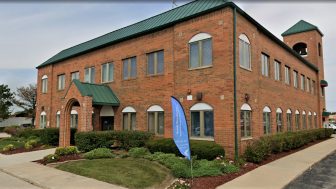
Silver Cross Hospital
1900 Silver Cross Boulevard
New Lenox, IL 60451
 Sponsored

About Silver Cross Hospital
Silver Cross Hospital partners with Silver Oaks Behavioral Hospital to provide comprehensive addiction treatment on their New Lenox, Illinois campus.
The facility offers various care for adolescents and adults, including detoxification, inpatient treatment, partial hospitalization programs and intensive outpatient programs for adolescents.
Their approach combines specialized addiction services with integrated mental health care to address the complex needs of individuals struggling with substance use disorders.
Dual Diagnosis Treatment for Co-Occurring Disorders
Silver Oaks specializes in treating individuals with co-occurring mental health and substance use disorders through dual diagnosis programs. I've seen that the facility staffs cross-trained counselors who hold credentials in both addiction therapy and mental health.
Making sure patient mental and behavioral care is the top priority.
Sessions combine individual counseling, group and family therapy, plus medication management to target both the underlying mental health conditions and substance use patterns, helping patients build sustainable recovery skills.
Comprehensive Levels of Care
The facility provides a complete treatment continuum from medical detoxification through outpatient programs. Chemical detox services address withdrawal from alcohol, benzodiazepines, opioids, cocaine, and methamphetamine, while PHP and IOP programs offer structured alternatives to inpatient care or step-down support for community reintegration.
Free Mental Health Screenings
The facility offers 24/7 free mental health screenings with intake assessment specialists to determine the most appropriate level of care.
Keeping care affordable, I've found that they accept Medicare, Medicaid, private insurance, TRICARE and self-pay. Self-pay includes a sliding scale option and financial assistance available.
Addiction Treatment Programs
Individuals who are struggling with addiction to drugs or alcohol can get support at an adult program in Illinois. Designed for men and women over the age of 18, these programs offer rehabilitation treatment and recovery services.
In Illinois, cognitive behavioral therapy is an effective method for addiction treatment. It teaches effective communication skills, provides tools to help people improve mood, and empowers participants to dismiss insecurities that can lead to substance abuse.
Men’s rehab in Illinois typically includes individual, group, and family therapies. Group sessions are conducted with men only, which encourages greater vulnerability and sharing opportunities among participants.
Women who have substance use disorders are more likely than men to have co-occurring mental health disorders. Women’s rehab in Illinois often provides treatment for dual diagnosis, so women can get help for their addiction and disorders such as anxiety or depression.
Some of the most common services offered in a young adult program in Illinois include individual and group counseling, medication management, educational courses, and 12-step programs. These programs are tailored to address the challenges of this stage of life.
Levels of Care
Outpatient rehab in Illinois may be brief or long-term, depending on the individual. During this time, you will maintain membership in a support group as well as attend one-on-one counseling sessions. The focus is ongoing development of life skills that will prevent relapse.
Inpatient rehab in Illinois features intensive clinical supervision and a highly structured and supportive environment, meaning this level of care is especially well suited for clients just beginning their recovery journey and those at risk of relapse.
The first step toward a drug-free future is typically detox. This initial phase of drug rehab in Illinois can last up to a week. During this time, addictive substances are slowly and safely cleansed from your body.
Partial hospitalization programs (PHPs) in Illinois are often a good fit for those who have work or family obligations that would otherwise exclude them from participating in an inpatient program. PHPs typically require an average treatment commitment of five to seven onsite visits a week, each ranging from four to eight hours in length.
Accreditations
Accepted Insurance












Contact Information


 Sponsored