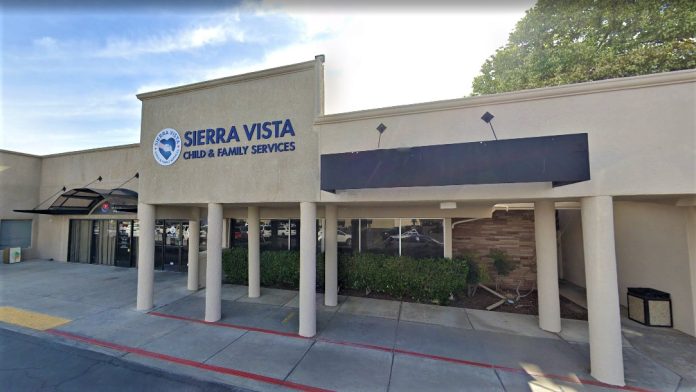
Sierra Vista Child and Family Services First Step Perinatal Substance Abuse Program
1700 McHenry Village Way
Suite 16
Modesto, CA 95350
 Sponsored
About Sierra Vista Child and Family Services First Step Perinatal Substance Abuse Program
First Step Perinatal Substance Abuse is a service offered by Sierra Vista Child and Family Services, located in Modesto, California. The outpatient program takes a multi-stage approach to addiction recovery, helping pregnant, postpartum and parenting women understand how substance use affects their bodies, their children and their families. While any qualifying client can attend the program, priority is given to pregnant or parenting women who are injection drug users or substance users.
Clients attend the program to recover from drug and alcohol addiction, learn valuable life skills and lay the groundwork for healthy, positive parenting. It takes 12 months to complete, with treatment goals and services tailored to the needs of each client. Services include both individual and group based counseling, as well as educational programming. Once they meet their pre-determined goals and complete their required assignments, clients can advance through the program’s various stages. Progress is also contingent upon remaining drug and alcohol free for the duration of the program. Mothers of children under five can receive childcare from the on site Child Development Center while undergoing treatment.
First Step Perinatal Substance Abuse accepts most major insurance plans, including United Healthcare, Cigna, BlueCross BlueShield, Ambetter, Cigna and Humana. Out of network coverage may differ, so contact your provider to verify coverage.
The State of California Department of Alcohol and Drug Programs has licensed and certified The First Step Perinatal Substance Abuse program.
Amenities
In order to maintain a sense of autonomy, many private rehab facilities offer clients the ability to choose their own private rooms. The privacy and personal space ensure that the recovery process is as comfortable as possible.
Addiction treatment in the metro area benefits clients by offering seamless connections from the city, around the state, and those seeking out-of-state treatment. Another benefit of attending a metro area drug rehab is that you’re close to major airports and ground transportation services.
Business centers are a preferred amenity in many mental health and addiction recovery facilities and typically feature secure, high-speed internet, computer stations, printers, and related business technologies. Business centers are designed to enable professionals and students to continue to participate in work or school activities without leaving the treatment facility.
Addiction Treatment Programs
Typically, a young adult program in California can guide individuals from detox, through initial treatment, and extends to aftercare. Treatment gives young adults what they need to reset their lives and move to the next stage of life free from addiction.
An adult program in California uses various therapeutic methods to treat a person who is dependent on an addictive substance. Individuals aged 18 and older are eligible for treatment, which focuses on breaking the cycle of addiction and learning how to maintain sober living.
Gender-specific addiction treatment programs may be more effective in treating men because they focus on unique needs of males. Men’s rehab in California is designed to help men process emotions and cope with stress in a judgment-free environment.
Women’s rehab in California provides a safe environment where women can work through addiction challenges surrounded by their gender peers. This often creates an environment that is more conducive to recovery.
Assertive Community Treatment (ACT) is an integrative, community-based care strategy designed to address the needs of persons with severe and/or complex mental illness or behavioral disorders. ACT is typically provided by a multidisciplinary team of medical and mental health care providers, social workers, therapists, and other specialists, including addiction recovery professionals. These services are frequently provided in the home and community to clients in crisis, those who are clinically unstable, and those who are unable or unwilling to travel to a hospital or clinic for in-person treatment.
Levels of Care
When you choose outpatient rehab in California, you will meet with a counselor and attend support group meetings. The focus will be on restructuring attitudes and thoughts to reduce cravings and develop skills to prevent relapse. The length of time in outpatient rehab varies by individual, based on their recovery needs.
Community support and relationship-building are key elements of aftercare rehab in California. You’ll receive recovery coaching, social support, and mentors to help you maintain sobriety after completing initial rehab treatment. This support will continue as long as you need it, which could be weeks or more than a year.
When you have a co-occurring disorder, it is essential to treat both your addiction and the mental health disorder. California dual diagnosis treatment provides this type of multidisciplinary approach, for improved recovery outcomes.
Partial hospitalization programs (PHPs) are a type of outpatient treatment program that often utilize many of the same treatment methods used for inpatient care. The difference being that you only visit the drug rehab in California during treatment times, then you can return home.
Accreditations
Contact Information


 Sponsored