Shadow Mountain Recovery at Taos – Closed
Closed: Please See Nearby Facilities
Taos, New Mexico
 Sponsored
About Shadow Mountain Recovery at Taos – Closed
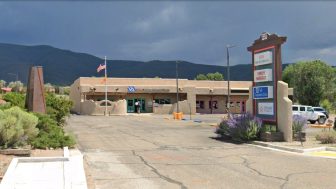
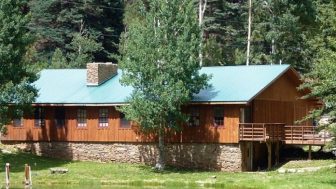
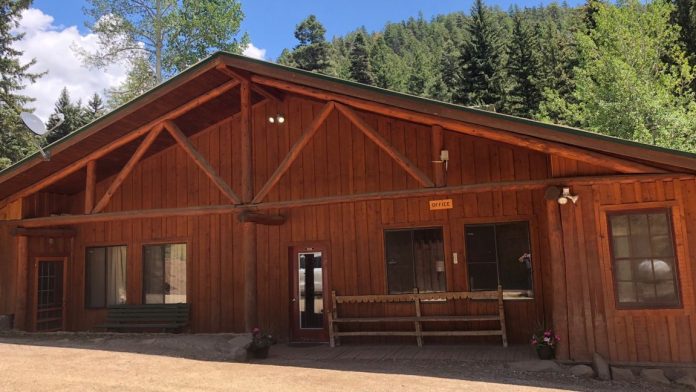
Shadow Mountain Recovery was an addiction treatment center for men in Taos, New Mexico. The center is currently closed. They provided medical detox services and residential treatment on a 40 acre property in the Sangre de Cristo Mountains. They could also address co occurring mental health disorders.
The center accepted all major insurance plans, including Blue Cross Blue Shield, First Health, Aetna, New Mexico Health Connections and more. They could verify your insurance before you began treatment to ensure your coverage applied.
28 Day Intensive Treatment in Taos
The core program in Taos was a four week evidence based program that included a wide range of complementary and alternative therapies. They delivered individual and group therapy using cognitive behavioral therapy and dialectical behavior therapy. Each week focused on a specific topic: grief, trauma, spirituality and identity.
The Taos center provided recreation such as a fitness center, hiking, basketball and volleyball along with nutrition classes and meal planning. I found they also had chef prepared meals and staff with lived experience of addiction and recovery that you could relate to.
Shadow Mountain Recovery also provided case management services and could connect you to their outpatient services at a different location to give you ongoing support after you finished the program.
Holistic and Alternative Therapies for Addiction Treatment
One of the more unique things about this program that caught my attention was their range of holistic options. They had commonly available options like yoga, art and music therapy, meditation and breathwork.
I discovered that they also had some unusual approaches including Reiki, hypnotherapy, animal therapy and ear seeding. Some of these were based in Eastern medicine. By offering a range of options, they aimed to have something that would help each client.
Amenities
Art and music are mediums that connect with our feelings, making them a great recovery tool during addiction treatment. Studies show that combining art/music and drug rehab can have a greater therapeutic impact than drug rehab alone, as you’re able to access parts of your brain and body that you may not have access to during traditional talk therapy. Benefits of art/music therapy include lowering stress and anxiety, promoting healthy neurochemicals, and providing stress relief.
Treatment centers with a yoga studio offer a special form of holistic therapy during the recovery process. Yoga boosts mindfulness, a sense of calm, and healthy reflection during drug rehab via breathing exercises, stretching, and a progression of specific postures.
When used as part of an evidence-based treatment plan, basketball can boost physical and mental health, lead to sharper thinking, and facilitate improved self-esteem. Drug rehabs with a basketball court also place a focus on teamwork and cooperation.
When paired with cognitive-behavioral therapy, exercise can be an effective tool for overcoming addiction. Drug rehabs with a gym offer clients healthy ways to increase energy levels, balance the body’s stress hormone levels, and aid in the brain’s healing process.
Wilderness rehab programs offer all the benefits of a traditional drug rehab, but with the added benefits of outdoor adventure. Venture out into the forest to learn new skills, explore the beauty of nature, and relieve stress. Engaging in wilderness activities is a great way to gain self-discovery and release negative emotions.
Rehabs that offer mountain views provide beautiful spaces for clients to explore, de-stress, and take part in outdoor or wilderness therapy programs. The mountain surroundings can be a great help to the recovery process, as sobriety may be better achieved while surrounded by a serene setting in nature.
Recreational therapy uniquely combines therapeutic interventions with an activity, like horse-riding, hiking, wilderness therapy, basketball, tennis, or a full workout. Benefits of recreational therapy include providing a healthy way to work through the emotions of recovery, learning to build and maintain relationships, improving communication skills, and building self-esteem.
Music can be extremely therapeutic, serving as a valuable healing tool and an integrative feature of a holistic treatment plan. A music room offers a large number of outlets, including singing, playing musical instruments, and listening to music.
Yoga and meditation are great activities to support your recovery process during alcohol or drug rehab. These therapies have been around for centuries, and they are an effective way to improve well-being. Combining addiction treatment, yoga, and meditation can reduce cravings, improve sleep, relieve anxiety and depression, provide stress relief, promote relaxation, support emotional healing, and improve energy levels.
In order to maintain a sense of autonomy, many private rehab facilities offer clients the ability to choose their own private rooms. The privacy and personal space ensure that the recovery process is as comfortable as possible.
Residential drug rehab provides the comforts of home with the therapeutic support needed to successfully recover. Benefits of an inpatient program include increased safety, a higher success rate, and the time and distance given to focus on recovery. Residential drug rehabs are often the preferred method of treatment, as they can be tailored to meet specific needs, offer focused therapeutic care, and provide the necessary tools to sustain recovery.
Addiction Treatment Programs
Addiction can manifest differently in women and men. Men’s rehab in New Mexico offers behavioral and medication-assisted treatments that have demonstrated to be most effective for men.
Women’s rehab in New Mexico helps women address the needs that drive their addictive behaviors and develop the tools they need for successful recovery. These are often different than the challenges faced by men.
Women’s rehab in New Mexico helps women address the needs that drive their addictive behaviors and develop the tools they need for successful recovery. These are often different than the challenges faced by men.
Facilities that offer alcohol rehab in New Mexico are typically designed to help participants heal mentally, physically, and spiritually. Programs focus on fitness, nutrition, and individual and group therapy, to treat the whole person and help them develop healthy habits in all areas of their lives.
Each drug rehab in New Mexico offers unique amenities and treatment methods. Common aspects of treatment include group and individual counseling, recreational therapy, medication management, and healthy living. Aftercare is often provided to prevent relapse.
Each opioid rehab in New Mexico is unique. Treatment options include medical detox, inpatient rehab, outpatient rehab, and partial hospitalization programs (PHPs). The best program for each person depends on the severity of their addiction and personal situation.
Fitness therapy is an evidence-based complementary approach to addiction recovery and mental health care. Based on mounting scientific evidence of the benefits of physical activity in improving mood, enhancing clients’ sense of wellbeing, and decreasing depression and anxiety, fitness therapy encompasses a wide spectrum of intensities, from gentle yoga, qigong, and tai chi to weight training, kickboxing, and other highly physical activities.
At a young adult program in New Mexico, participants have the opportunity to develop relationships that offer mutual support. The comfortable, age-appropriate environment also makes them feel more at home and more likely to participate.
Treatment at an adult program in New Mexico varies, based on the individual’s needs. Many programs provide a full continuum of care, ranging from initial intervention and detox to recovery aftercare.
EMDR Therapy is a neurobiological treatment modality used to address trauma disorders and related mental and behavioral health challenges. Short for eye movement desensitization and reprocessing, EMDR is designed to help clients cope with distressing memories and emotions, including fear, sadness, and anger. EMDR may help clients in addiction recovery manage the psychological and emotional triggers that contribute to substance misuse and/or addiction relapse.
Rational emotive behavioral therapy in New Mexico is helpful for decreasing unhealthy behaviors such as substance use. This treatment helps the individual improve their mental health and reduce negative emotions that contribute to addiction.
Cognitive behavioral therapy in New Mexico is a well-established treatment method for substance use disorders and a full range of mental health disorders. It focuses on how thoughts influence mood and works to change dysfunctional thoughts that can lead to addiction.
Levels of Care
Safely cleanse your body from addictive substances with detox in New Mexico. During this initial phase of drug rehab in New Mexico, you’ll receive 24/7 care, including medication to ease withdrawal symptoms.
New Mexico dual diagnosis treatment gives you access to the specialists you need to treat both mental health and substance abuse disorders. This is key to successful recovery, since these conditions significantly affect one another.
Also referred to as residential treatment, inpatient drug rehab in New Mexico provides round-the-clock supervision while you live at the rehab facility. You’ll participate in various counseling sessions, receive nutritional care, and learn how to live a full life in recovery.
New Mexico outpatient rehab may last a few weeks or more than a year. This flexible program provides ongoing treatment while you maintain other work and home responsibilities. It typically involves attending several therapy sessions each week and participating in a 12-step support group.
Before treatment can begin at a drug rehab in New Mexico, intervention services are often necessary. This treatment service offers support to family members by providing educational resources, pre-intervention counseling, intervention facilitation, and treatment plan development.
When you choose aftercare rehab in New Mexico, you receive access to resources that provide ongoing support for recovery. Common aftercare services include career counseling, legal advice, academic support, financial planning, and therapy, which may continue for at least a year after initial rehab.
If you have been resistant to treatment in the past, staying at a New Mexico sober living home may help you maintain long-term recovery. This structured living situation provides accountability and support as you learn to live a drug-free lifestyle.