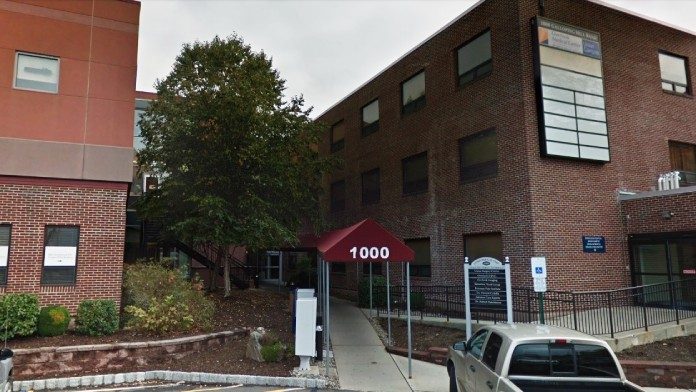
Serenity at Summit New Jersey
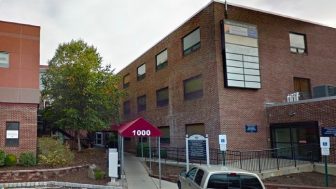
1000 Galloping Hill Rd
Union, NJ 07083
 Sponsored
 Featured Facility
About Serenity at Summit New Jersey
Serenity at Summit in Union, New Jersey, is an addiction treatment facility that offers support to adults aged 18 and older. Medicare, Medicaid and other private insurance providers are accepted.
Medically managed detox is offered to help clients get sober and overcome the difficult withdrawal symptoms that happen during this time. Clients’ mental and physical health are evaluated, and clients made as comfortable as possible during this difficult process. Staff are on hand to help with any emergencies.
Following detox, clients are encouraged to move into residential care for roughly 30 days or more. In this program they can benefit from a structured environment and round the clock care from medical staff. Individual and group therapies are available as well as addiction education classes. Inpatient treatment is the most intensive and personalized phase of treatment here and is suitable for those with medium to severe substance abuse issues.
Partial hospitalization bridges the gap between inpatient and outpatient support. The focus at this stage is relapse prevention and continued education. Therapy is holistic, with clients attending 20 hours of treatment per week for a month or longer depending on their personal needs.
The next phase is intensive outpatient. This involves a required time commitment of nine or more hours of treatment per week. Clients undergo alcohol and drug monitoring along with therapy, support group attendance and educational sessions.
Once clients have completed treatment, they can still access support through the facility’s aftercare program. This allows clients to easily connect to the resources they need as well as a supportive community to help them maintain long term recovery.
Amenities
Private drug rehab provides a comfortable, secure environment that allows you to focus on doing the work to get your life back on track. Benefits include a higher staff-to-client ratio, increased one-on-one time with therapists and healthcare providers, private rooms for clients, and customized forms of therapy.
Residential drug rehab provides the comforts of home with the therapeutic support needed to successfully recover. Benefits of an inpatient program include increased safety, a higher success rate, and the time and distance given to focus on recovery. Residential drug rehabs are often the preferred method of treatment, as they can be tailored to meet specific needs, offer focused therapeutic care, and provide the necessary tools to sustain recovery.
Recreational therapy uniquely combines therapeutic interventions with an activity, like horse-riding, hiking, wilderness therapy, basketball, tennis, or a full workout. Benefits of recreational therapy include providing a healthy way to work through the emotions of recovery, learning to build and maintain relationships, improving communication skills, and building self-esteem.
Yoga and meditation are great activities to support your recovery process during alcohol or drug rehab. These therapies have been around for centuries, and they are an effective way to improve well-being. Combining addiction treatment, yoga, and meditation can reduce cravings, improve sleep, relieve anxiety and depression, provide stress relief, promote relaxation, support emotional healing, and improve energy levels.
Treatment centers with a yoga studio offer a special form of holistic therapy during the recovery process. Yoga boosts mindfulness, a sense of calm, and healthy reflection during drug rehab via breathing exercises, stretching, and a progression of specific postures.
In order to maintain a sense of autonomy, many private rehab facilities offer clients the ability to choose their own private rooms. The privacy and personal space ensure that the recovery process is as comfortable as possible.
Acupuncture is one of the most popular luxurious and alternative therapies offered by rehabs. An acupuncture room provides benefits like pain reduction, improved sleep, a healthy immune system, and a decrease in anxiety.
The massage room offers a wealth of benefits as part of an overall evidence-based drug and alcohol recovery program. Massage therapy boosts blood flow and flushes lactic acid from the muscles, and the vascular benefits last several days after the massage.
Wilderness rehab programs offer all the benefits of a traditional drug rehab, but with the added benefits of outdoor adventure. Venture out into the forest to learn new skills, explore the beauty of nature, and relieve stress. Engaging in wilderness activities is a great way to gain self-discovery and release negative emotions.
When used as part of an evidence-based treatment plan, basketball can boost physical and mental health, lead to sharper thinking, and facilitate improved self-esteem. Drug rehabs with a basketball court also place a focus on teamwork and cooperation.
Addiction Treatment Programs
There are many benefits to a young adult program in New Jersey. These programs offer a more comfortable environment that helps young adults feel more at home. The peer support provided also helps participants develop healthy relationships for mutual support.
An adult program in New Jersey can take place in different settings. Individuals seeking treatment for addiction can choose from inpatient, outpatient, and sober living homes, which provide treatment at different levels of intensity.
To help you achieve long-term recovery, alcohol rehab in New Jersey addresses addiction issues from medical and psychological viewpoints. By treating the whole person, these programs give you the tools you need to achieve and maintain sobriety.
Gender-specific rehab programs offer a solution to the ways that addiction can affect men and women differently. Men’s rehab in New Jersey focuses on treatments that are most beneficial for men.
Women’s rehab in New Jersey is ideal for women who are uncomfortable in a co-ed treatment environment. Women’s rehab provides a safe and caring setting where they can focus on their treatment and connect with other women who understand.
At opioid rehab in New Jersey, patients receive individualized treatment that is adjusted to meet their needs as they progress toward recovery. Addiction specialists partner with each individual to tailor their treatment to address specific challenges that contribute to their addiction.
During cognitive behavioral therapy in New Jersey, participants develop and learn to implement healthy coping skills. The focus of this psychotherapy method is to change negative thought patterns to positively affect behaviors.
Drug rehab in New Jersey is the process of addressing the complex issues involved with addiction. Challenges are identified and addressed through individual and group counseling. Participants learn how to manage these issues without the use of substances.
Through the use of rational emotive behavioral therapy in New Jersey, addiction counselors can help individuals improve their emotional wellness, strengthen their relationships with others, and reduce the severity and frequency of negative emotions. These benefits help decrease substance use and encourage recovery.
EMDR Therapy is a neurobiological treatment modality used to address trauma disorders and related mental and behavioral health challenges. Short for eye movement desensitization and reprocessing, EMDR is designed to help clients cope with distressing memories and emotions, including fear, sadness, and anger. EMDR may help clients in addiction recovery manage the psychological and emotional triggers that contribute to substance misuse and/or addiction relapse.
Hypnotherapy is an evidence-based complementary approach to addiction treatment in which clients enter an induced state of deep relaxation. Once the client has entered this hypnotic state, the hypnotherapist uses various techniques, including guided imagery and positive affirmations, to help clients “unlearn” negative behaviors, such as substance misuse, and adopt healthy ones. The approach supports clients’ long-term mental, physical, and emotional wellbeing and reduces their risk of relapse by tapping into the power of the subconscious mind.
Levels of Care
If you have a co-occurring mental health disorder and substance abuse disorder, both must be treated in order for you to recover. Dual diagnosis treatment in New Jersey specializes in this approach. Specialists in both fields will provide the tools and resources you need for recovery.
Inpatient drug rehab in New Jersey offers the most intensive treatment setting, with 24/7 medical care available. While living at the rehab facility, you’ll participate in various treatments, typically including extensive psychotherapies that draw on modalities like cognitive behavioral therapy (CBT) and motivational interviewing.
When you check into New Jersey Drug Rehab, your first step toward recovery will be detox. This supervised period, which may last up to a week, purges all toxic substances from your body.
If you have been through rehab and don’t have a strong support system at home, sober living in New Jersey may be a good option for you. Many find that this transitional housing setting provides the extra support they need during the first few vulnerable months of recovery.
Intervention services are valuable tools that encourage a person to accept professional treatment from a drug rehab in New Jersey. These services provide support to family members as they plan and stage interventions, choose an effective treatment plans, and navigate the admission process.
Accreditations
Contact Information


 Sponsored