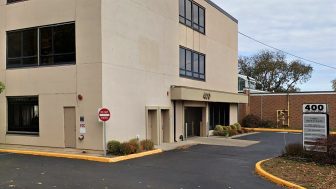
Seafield Riverhead
240 W Main St
Riverhead, NY 11901
 Sponsored
About Seafield Riverhead
Seafield Riverhead is an outpatient drug and alcohol treatment facility in Riverhead, New York. The facility is located on West Main Street, not far from the Peconic River and the Railroad Museum of Long Island. They have programs for clients aged 13 and older. Services are available in English and Spanish.
Seafield Riverhead recognizes everyone has their own unique struggles with addiction. The staff members desire to give you a safe space to begin your recovery and will work tirelessly to assist you in overcoming your addiction. Some of the specialty services available at this location are DWI services, medication assisted treatment (MAT), and parenting skills groups.
Some of the onsite members you’ll work with include physicians, nurses, and addiction medicine specialists. The facility provides a psychiatric evaluation to help with determining the appropriate treatment for your needs. MAT will involve a combination of counseling and medications to manage withdrawal symptoms. Counselors will give you insight into the causes of your addiction and provide you with tools such as coping mechanisms so you can avoid relapsing.
A unique thing about Seafield Riverhead I like is that they have a specialized program for first responders. The organization is a veteran owned establishment with staff members that are trained in trauma informed care. They’re prepared to address the unique challenges and needs of first responders and uniformed service members.
Addiction treatment services are available for adults, adolescents and families. Counselors can help families understand how to cope with their loved one’s addiction and learn helpful ways to support them. Riverhead is not far from interesting activities for everyone to enjoy, such as the Paumanok Vineyards and the Long Island Aquarium.
Amenities
Acupuncture is one of the most popular luxurious and alternative therapies offered by rehabs. An acupuncture room provides benefits like pain reduction, improved sleep, a healthy immune system, and a decrease in anxiety.
Yoga and meditation are great activities to support your recovery process during alcohol or drug rehab. These therapies have been around for centuries, and they are an effective way to improve well-being. Combining addiction treatment, yoga, and meditation can reduce cravings, improve sleep, relieve anxiety and depression, provide stress relief, promote relaxation, support emotional healing, and improve energy levels.
Private drug rehab provides a comfortable, secure environment that allows you to focus on doing the work to get your life back on track. Benefits include a higher staff-to-client ratio, increased one-on-one time with therapists and healthcare providers, private rooms for clients, and customized forms of therapy.
Treatment centers with a yoga studio offer a special form of holistic therapy during the recovery process. Yoga boosts mindfulness, a sense of calm, and healthy reflection during drug rehab via breathing exercises, stretching, and a progression of specific postures.
Addiction Treatment Programs
A quality adult program in New York provides a combination of medical, mental, and emotional support to treat the whole individual. Various methods are used to help adults achieve and maintain sobriety.
To address the full range of issues involved in alcohol use disorder, an alcohol rehab in New York often incorporates a variety of treatment methods. Physical activity, nutrition, psychotherapy, and support groups are common aspects of treatment.
Cognitive behavioral therapy in New York emphasizes how thoughts affect mood. It is a goal-oriented method that teaches participants how to address dysfunctional thoughts and underlying beliefs that can lead to substance abuse and addiction.
When you choose drug rehab in New York, you’ll participate in a variety of treatments that are designed to help you live a drug-free lifestyle. Common methods of treatment include group, individual, and family counseling, medication management, nutrition, exercise, and management of co-occurring mental health disorders.
Some men benefit most from men’s rehab in New York. These programs understand the unique challenges that men face when struggling with addiction, and they offer personalized treatment to address these challenges.
There are many options available for opioid rehab in New York. Treatment programs include detox, inpatient rehab, outpatient rehab, or intensive outpatient programs (IOPs). Consider the severity of your addiction, how long you’ve been addicted, and personal history to determine which type of program is best for you.
Men and women face different issues when it comes to addiction and recovery. Women’s rehab in New York offers treatment approaches that address life issues that are specific to women.
While at a young adult program in New York, young people can participate in activities and therapy sessions that cater to their age bracket. They can also form relationships with other young adults for mutual support.
Levels of Care
For those who require accountability but less intensive oversight, outpatient rehab in New York is a good option. During this treatment, you meet regularly with a counselor and attend support group meetings, for accountability and encouragement. This may last for a few weeks or months, based on your recovery journey.
Once rehab is complete, aftercare rehab in New York steps in to prevent relapse. This program gives you access to resources that reduce stress and help you successfully navigate challenges. Studies show that people who take advantage of these resources are more likely to maintain long-term recovery.
Mental health disorders that co-occur with substance abuse disorders often cause relapse. For successful recovery, both disorders must be treated, with dual diagnosis treatment in New York. Common methods include cognitive-behavioral therapy, medication management, and counseling.
A New York sober living program is appropriate for those who want to stop using drugs or alcohol but don’t feel ready to do so on their own. This communal environment allows you to live with others who are in recovery, for mutual support and accountability. A structured schedule and strict house policies help you strengthen your recovery skills, until you are strong enough to live independently.
Accreditations
Contact Information


 Sponsored