
Samaritan Village – Outpatient Treatment
144-10 Jamaica Ave
Jamaica, NY 11435
 Sponsored
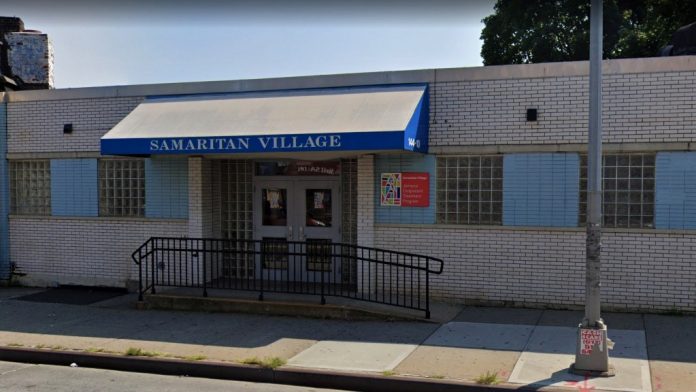
About Samaritan Village – Outpatient Treatment
Offering drug rehab programs for adults, Samaritan Daytop Village is located in the Jamaica Queens area of New York City. If you choose this program you’ll receive an individualized treatment plan. They also provide you with primary medical care. Treatment will help you restore mental balance and stay sober.
A structured partial hospitalization program runs is held five days a week. Sessions will be four hours per day. During this intensive treatment program you’ll participate in peer recovery coaching and group and individual therapy. You’ll receive medication management and vocational training.
I like that this facility also has an intensive outpatient level of care. All programs may include trauma therapy and relapse prevention. Therapists may use cognitive behavioral therapy and help you learn recovery skills. Medication like buprenorphine is a tool used to help eliminate uncomfortable physical symptoms and reduce drug cravings.
Graduates of Samaritan Daytop Village say the staff is understanding and accommodating. They also say they learned and grew after attending treatment here.
Amenities
Private drug rehab provides a comfortable, secure environment that allows you to focus on doing the work to get your life back on track. Benefits include a higher staff-to-client ratio, increased one-on-one time with therapists and healthcare providers, private rooms for clients, and customized forms of therapy.
Addiction Treatment Programs
While at a young adult program in New York, young people can participate in activities and therapy sessions that cater to their age bracket. They can also form relationships with other young adults for mutual support.
A quality adult program in New York provides a combination of medical, mental, and emotional support to treat the whole individual. Various methods are used to help adults achieve and maintain sobriety.
To address the full range of issues involved in alcohol use disorder, an alcohol rehab in New York often incorporates a variety of treatment methods. Physical activity, nutrition, psychotherapy, and support groups are common aspects of treatment.
Some men benefit most from men’s rehab in New York. These programs understand the unique challenges that men face when struggling with addiction, and they offer personalized treatment to address these challenges.
Men and women face different issues when it comes to addiction and recovery. Women’s rehab in New York offers treatment approaches that address life issues that are specific to women.
There are many options available for opioid rehab in New York. Treatment programs include detox, inpatient rehab, outpatient rehab, or intensive outpatient programs (IOPs). Consider the severity of your addiction, how long you’ve been addicted, and personal history to determine which type of program is best for you.
Cognitive behavioral therapy in New York emphasizes how thoughts affect mood. It is a goal-oriented method that teaches participants how to address dysfunctional thoughts and underlying beliefs that can lead to substance abuse and addiction.
When you choose drug rehab in New York, you’ll participate in a variety of treatments that are designed to help you live a drug-free lifestyle. Common methods of treatment include group, individual, and family counseling, medication management, nutrition, exercise, and management of co-occurring mental health disorders.
During elderly rehab in New York, you’ll participate in a variety of therapies, including individual, group, and family. Common methods include cognitive behavioral therapy, 12-step methods, and case management, all with a focus on age-specific needs.
Men and women face different issues when it comes to addiction and recovery. Women’s rehab in New York offers treatment approaches that address life issues that are specific to women.
Veteran’s rehab in New York helps Veterans quit using alcohol and drugs and reduce the risk of relapse with specialized treatment. Specialists help Veterans adjust to life outside the military, address previous trauma, and live a sober lifestyle.
Rational emotive behavioral therapy in New York is often used to treat substance use disorders as well as a variety of other mental health and behavioral disorders. It focuses on the present, achieving goals, and overcoming hardship.
Levels of Care
For those who require accountability but less intensive oversight, outpatient rehab in New York is a good option. During this treatment, you meet regularly with a counselor and attend support group meetings, for accountability and encouragement. This may last for a few weeks or months, based on your recovery journey.
Mental health disorders that co-occur with substance abuse disorders often cause relapse. For successful recovery, both disorders must be treated, with dual diagnosis treatment in New York. Common methods include cognitive-behavioral therapy, medication management, and counseling.
The first step toward a drug-free future is detox in New York. This is the process of slowly and safely ridding your body of all addictive substances, while under 24/7 supervision by professionals.
Intervention services are a valuable addiction treatment tool for those seeking to get a loved one started on a recovery journey. Professional intervention staff can help plan and facilitate interventions, provide access to key resources, and assist in developing a personalized treatment plan for drug rehab in New York.
Contact Information


 Sponsored
Nearby Treatment Centers
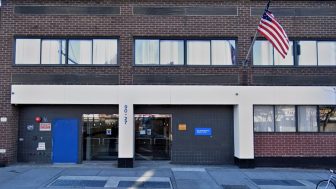
90-27 Sutphin Boulevard
5th Floor
Jamaica, NY 11435

144-10 Jamaica Ave
Jamaica, NY 11435
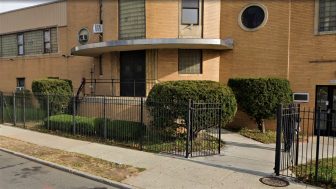
88-83 Van Wyck Expressway State Road East
Jamaica, NY 11435
144-10 Jamaica Ave
Jamaica, NY 11435
