
Samaritan Colony Inc
 Sponsored

About Samaritan Colony Inc
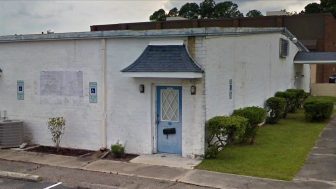
Samaritan Colony is a nonprofit residential rehab center in Rockingham, North Carolina.
It admits men only, into a 28-day program at a center that has run since 1975. Its work reaches across North Carolina, the surrounding counties and the Sandhills, with much of it going to underserved communities.
How Do You Pay for Treatment?
Samaritan Colony takes two payment routes. If Sandhills Center LME/MCO refers you, a sliding fee scale sets your rate. The center is the regional local management entity and managed care organization, and the scale ties what you owe to what you can pay.
Everyone else pays the admission fee on arrival and settles the balance when the program ends. Plan on money due at the start and at the finish.
Is Medical Detox Available?
No. Samaritan Colony doesn’t offer medical detox at this location. Men need at least 72 drug-free hours before they’re admitted, or a medical or social detox completed somewhere else.
Withdrawal from alcohol or certain drugs can call for medical supervision, so the 72 hours isn’t paperwork.
What Happens After 28 Days?
Clinical staff help you sort out aftercare and where you’ll live afterward, and aftercare counseling comes with the program. Along the way you get group and individual therapy, family counseling and life skills training.
The house in Rockingham furnishes linens, towels and washcloths. Plan on bringing clothes and not much else.
Amenities
Hiking is a great way to relieve stress, get perspective, navigate challenges, connect with nature, and improve your health - all essential components of sustaining long-term recovery. Studies also show that the body releases endorphins during physical activities like hiking. These endorphins improve mood and act as a natural pain reliever.
Private drug rehab provides a comfortable, secure environment that allows you to focus on doing the work to get your life back on track. Benefits include a higher staff-to-client ratio, increased one-on-one time with therapists and healthcare providers, private rooms for clients, and customized forms of therapy.
Recreational therapy uniquely combines therapeutic interventions with an activity, like horse-riding, hiking, wilderness therapy, basketball, tennis, or a full workout. Benefits of recreational therapy include providing a healthy way to work through the emotions of recovery, learning to build and maintain relationships, improving communication skills, and building self-esteem.
Yoga and meditation are great activities to support your recovery process during alcohol or drug rehab. These therapies have been around for centuries, and they are an effective way to improve well-being. Combining addiction treatment, yoga, and meditation can reduce cravings, improve sleep, relieve anxiety and depression, provide stress relief, promote relaxation, support emotional healing, and improve energy levels.
In order to maintain a sense of autonomy, many private rehab facilities offer clients the ability to choose their own private rooms. The privacy and personal space ensure that the recovery process is as comfortable as possible.
Addiction Treatment Programs
When individuals participate in a young adult program in North Carolina, they feel more at ease in a setting that is age-appropriate. Activities, therapies, and aesthetics are all tailored for this age group, so participants can feel comfortable and are more likely to complete the program.
An adult program in North Carolina typically combines individual and group counseling, medical treatment, and various other therapies to treat substance use disorders. Treatment can take place in an inpatient or outpatient setting.
Alcohol rehabilitation is part of the services for men, and it's been offered since 1975.
One facility is for men, and it's separate from the women's facility. Drug and alcohol rehabilitation for men has run since 1975, with residential treatment and aftercare.
Samaritan Colony has two facilities. One's for women, and the other facility is for men.
To overcome opioid addiction, attend opioid rehab in North Carolina. Treatment takes place in inpatient or outpatient care, using a variety of therapies, medications, and other helpful interventions. Length of treatment caries, typically lasting 30, 60, or 90 days.
Many therapists use cognitive behavioral therapy in North Carolina to treat substance use disorders. This goal-oriented method addresses maladaptive thinking and related beliefs that affect behaviors and can lead to addiction.
There are many types of drug rehab in North Carolina. To receive treatment for addiction, you can choose from many inpatient and outpatient programs. Often, participants start with detox and work through a full continuum of care that continues with ongoing support for long-term recovery.
12-Step Programs are among the most popular and proven addiction recovery programs in the world. They are predicated on a lifelong recovery model that prioritizes whole-person healing and integrates the physical, psychological, emotional, social, and spiritual aspects of recovery. Programs are free, anonymous, open to the public, and community-based and are centered on group support, one-on-one peer coaching, and recovery education.
Levels of Care
Outpatient rehab in North Carolina is often the next step for those who complete an inpatient program. This less restrictive treatment involves several hours of therapy per week, and accountability through 12-step meetings such as AA. You’ll continue this treatment as long as needed, which could be weeks, months, or years.
Some of the most common co-occurring mental health disorders include anxiety, depression, and eating disorders. When these are present alongside substance use disorder, dual diagnosis treatment in North Carolina is necessary to address both conditions.
Aftercare rehab in North Carolina is a crucial part of relapse prevention. It gives you access to resources that will help you manage stress and overcome life hurdles. Typical services include career coaching, financial guidance, and ongoing counseling and emotional support. These may continue for a few months or more than a year after initial rehab.
The stay is 28 days of residential treatment. It's a 12-Step facilitation program that includes cognitive, behavioral, social and recreational therapies.
Nearly all drug rehabs in North Carolina begin with a detox program. When this process is complete, all addictive substances will be purged from your body. You can then move on to the next steps of drug rehab in North Carolina.
Accepted Insurance
Contact Information


 Sponsored
Kelly Fitzgerald Junco is an author, marketing consultant, and Masters of Clinical Mental Health Counseling Student. She is 11 years sober and best known for her personal award-winning blog, The Adventures of a Sober Señorita. Her work has been published on sites like the Huffington Post, Ravishly, and SheKnows.
Courtney Myers holds an MS in Technical Communication from N.C. State University. For more than 15 years, she’s worked as a writer and editor for clients across a range of industries. She specializes in addiction recovery and behavioral health, creating content to help individuals find the care they need.
Rehabs.org regularly reviews this listing for accuracy but changes may occur between updates. For the most up-to-date information, please contact Samaritan Colony Inc.
Nearby Treatment Centers
Popular North Carolina Cities
More Cities View Other North Carolina CitiesFAQs
How do you pay if Sandhills didn't refer you?
You pay the admission fee at admission. Then you’ll settle the balance when the program ends. That’s the rule without a Sandhills referral. A Sandhills Center LME/MCO referral is different. That rate sits on a sliding fee scale and depends on ability to pay. The paying for rehab page covers fees and rates.
How long is the residential stay at Samaritan Colony?
It’s 28 days of residential treatment. The program is a 12-Step facilitation program, and it includes cognitive, behavioral, social and recreational therapies. After the stay, clinical staff coordinate a plan for aftercare and housing if it’s needed. That 28-day stay is the inpatient rehab level here.
Who is this residential program built for?
The residential program serves men. Drug and alcohol rehabilitation services for men have run since 1975. The program provides residential treatment and aftercare counseling for underserved communities across the Sandhills. Samaritan Colony is a nonprofit residential program in Rockingham, North Carolina.
What does the 28-day residential program include?
It’s a 12-Step facilitation program. Residential treatment runs 28 days. The therapies named are cognitive, behavioral, social and recreational. Those are the pieces the program names for the stay.
Where does Samaritan Colony work, and what's furnished?
Education about addiction reaches across the state, surrounding areas and the Sandhills. Towels, washcloths and bed linens are furnished. They’re included, and the program’s a nonprofit in Rockingham, North Carolina.
