
Ascensa Health
139 Renaissance Pkwy NE
Atlanta, GA 30308
 Sponsored
About Ascensa Health
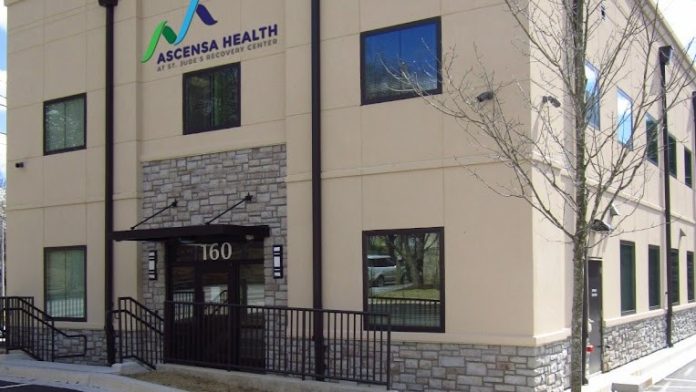
Saint Jude’s Recovery Center is now Ascensa Health, and they’re located in Atlanta, Georgia. The center offers residential treatment and outpatient programs as well as detox for individuals with substance use disorder (SUD) and co-occurring mental health disorders. They accept Medicaid and insurance from some providers though benefits are out of network. Underinsured and uninsured individuals can receive state funding to cover the cost of the program.
Child Care During Inpatient Addiction Treatment
One of the distinctive and helpful aspects of this program is the residential beds for children. Parents can bring their children to the program and rest assured they’ll have child care services while they’re receiving treatment. Treatment focuses on the unhoused and low income individuals.
The programs are gender specific. There are 52 beds available for men and 18 beds available for women. Both programs provide case management services to help clients navigate the treatment and post treatment process.
The facility is close to Renaissance Park, which has five acres of green space where clients can spend time in nature, despite being in the city. I like that the facility is so close to the historic Fox Theatre on Peachtree Street, and there’s a grocery store within easy walking distance.
Dual Diagnosis Care in Atlanta, Georgia
Many clients with SUD have co-occurring mental health disorders. This program treats both issues simultaneously, which I think clients will appreciate. The program offers medication assisted treatment (MAT) for opioid use disorder (OUD) or alcohol withdrawal.
There’s a program providing specialized treatment for youth ages 18-25. The program covers topics such as peer relationships, independence, and identity. Young clients are provided with career support and skills training.
Supportive Services Post Treatment
Clients in the program receive help in finding secure and stable housing after treatment. Individuals are given help with social skills development and interpersonal skills to further their recovery.
Some clients felt the program was a “lifesaving experience…top notch professional staff from intake, housing, counselors, trainers, and medical team.”
Amenities
Residential drug rehab provides the comforts of home with the therapeutic support needed to successfully recover. Benefits of an inpatient program include increased safety, a higher success rate, and the time and distance given to focus on recovery. Residential drug rehabs are often the preferred method of treatment, as they can be tailored to meet specific needs, offer focused therapeutic care, and provide the necessary tools to sustain recovery.
Addiction Treatment Programs
A young adult program in Georgia focuses on the motivations, challenges, and needs of this stage of life. Participants receive treatment tailored to this age bracket.
Treatment services at an adult program in Georgia are typically offered on a continuum of care. These intensity levels address unique needs as individuals progress through various stages of recovery.
The goal of alcohol rehab in Georgia is recovery. This is a process that helps individuals achieve remission from alcohol use disorder and refrain from unhealthy drinking habits. Treatment typically includes one-on-one and group therapy sessions.
By offering men’s rehab in Georgia, addiction treatment centers provide an outlet for men to build bonds with other men who are facing similar challenges. The relationships formed can help men reduce their risk of relapse.
When you attend opioid rehab in Georgia, you’ll find a safe and comfortable atmosphere that allows you to navigate a path to a healthier life. Choose from inpatient or outpatient programs that surround you with support and give you the tools you need for sobriety.
Negative thought patterns can lead to substance abuse as a way to self-medicate. During cognitive behavioral therapy in Georgia, individuals learn how to identify and stop these negative patterns and manage them in healthy ways that don’t involve substances.
LGBTQ-friendly rehab in Georgia addresses the unique needs of a diverse population. By tailoring treatment to meet these unique needs, rehabs can increase the chances of successful long-term recovery.
Levels of Care
Both substance abuse and mental health disorders cause brain imbalances, so they often feed off each other. Treatment for dual diagnosis in Georgia provides access to addiction and mental health specialists, to effectively treat both conditions at once.
Georgia aftercare rehab helps you navigate sober living after treatment. As you re-enter life, you’ll have support to help you face challenges and avoid relapse. Most people need aftercare for several months, and it’s common to remain in aftercare for a year or more.
Upon entering an inpatient rehab in Georgia, you will reside at the treatment center for the duration of your program. While there, you'll participate in individual, group, and family therapy sessions, and you may receive medication and additional holistic therapies.
Drug rehab in Georgia often starts with intervention services. Staff intervention specialists serve as a valuable point of contact for family members, helping with the planning and execution of interventions and following up with key resources and guidance on getting someone on the right path to recovery.
Accreditations
Contact Information


 Sponsored
Nearby Treatment Centers

740 Marietta St NW
Atlanta, GA 30318
80 Joseph E. Lowery Boulevard
Atlanta, GA 30314
2285 Peachtree Rd
Suite 210
Atlanta, GA 30309

1105 West Peachtree Street Northeast
Atlanta, GA 30309
