
Sagebrush Treatment Center
Closed: Please See Nearby Facilities
Mclean, Virginia
 Sponsored
About Sagebrush Treatment Center
McLean, Virginia, is home to a lot of government offices and businesses. At one time, you could also find Sagebrush Treatment in the city. The office is now closed. They specialized in addiction treatment, addressing issues with drug, alcohol and co-occurring mental health disorders.
They accepted private insurance plans and had residential treatment and an intensive outpatient program (IOP). They also had specialized outpatient care for teens ages 14 to 19.
Residential Treatment at Sagebrush
The residential program was the core of their treatment process. They did not have medical detox, but could guide you through a social detox process if appropriate. They had individual and group therapy that addressed trauma, relationships, family dynamics and other issues.
They also had a strong holistic approach. You could get Reiki sessions and participate in mindfulness meditation, art therapy, guided imagery, and yoga.
One thing that caught my eye is that they had multi-family therapy once a week. In small groups and lectures, the families of clients would learn together about addiction and how to support their loved one in recovery.
IOPs for Addiction in McLean
The IOP provided group therapy in two different timeframes. You could attend three mornings a week or attend on both weekend days. The IOP continues the education and life skills of the residential program, preparing clients for independent living and long term recovery.
Amenities
Acupuncture is one of the most popular luxurious and alternative therapies offered by rehabs. An acupuncture room provides benefits like pain reduction, improved sleep, a healthy immune system, and a decrease in anxiety.
Art and music are mediums that connect with our feelings, making them a great recovery tool during addiction treatment. Studies show that combining art/music and drug rehab can have a greater therapeutic impact than drug rehab alone, as you’re able to access parts of your brain and body that you may not have access to during traditional talk therapy. Benefits of art/music therapy include lowering stress and anxiety, promoting healthy neurochemicals, and providing stress relief.
Luxury rehab is a form of treatment offered in a residential, resort-style setting. You’ll receive personalized treatment from staff and clinicians, have access to forms of treatment that go beyond what a typical inpatient rehab offers, and offer specific amenities like ocean views, large single occupancy bedrooms with private baths, and complementary spa treatments like massage, acupuncture, or reiki. Most luxury rehab centers have a limited number of beds.
The massage room offers a wealth of benefits as part of an overall evidence-based drug and alcohol recovery program. Massage therapy boosts blood flow and flushes lactic acid from the muscles, and the vascular benefits last several days after the massage.
Yoga and meditation are great activities to support your recovery process during alcohol or drug rehab. These therapies have been around for centuries, and they are an effective way to improve well-being. Combining addiction treatment, yoga, and meditation can reduce cravings, improve sleep, relieve anxiety and depression, provide stress relief, promote relaxation, support emotional healing, and improve energy levels.
Music can be extremely therapeutic, serving as a valuable healing tool and an integrative feature of a holistic treatment plan. A music room offers a large number of outlets, including singing, playing musical instruments, and listening to music.
In order to maintain a sense of autonomy, many private rehab facilities offer clients the ability to choose their own private rooms. The privacy and personal space ensure that the recovery process is as comfortable as possible.
Private drug rehab provides a comfortable, secure environment that allows you to focus on doing the work to get your life back on track. Benefits include a higher staff-to-client ratio, increased one-on-one time with therapists and healthcare providers, private rooms for clients, and customized forms of therapy.
Recreational therapy uniquely combines therapeutic interventions with an activity, like horse-riding, hiking, wilderness therapy, basketball, tennis, or a full workout. Benefits of recreational therapy include providing a healthy way to work through the emotions of recovery, learning to build and maintain relationships, improving communication skills, and building self-esteem.
Residential drug rehab provides the comforts of home with the therapeutic support needed to successfully recover. Benefits of an inpatient program include increased safety, a higher success rate, and the time and distance given to focus on recovery. Residential drug rehabs are often the preferred method of treatment, as they can be tailored to meet specific needs, offer focused therapeutic care, and provide the necessary tools to sustain recovery.
Treatment centers with a yoga studio offer a special form of holistic therapy during the recovery process. Yoga boosts mindfulness, a sense of calm, and healthy reflection during drug rehab via breathing exercises, stretching, and a progression of specific postures.
Addiction Treatment Programs
An adult program in Virginia is often the ideal solution for individuals struggling with substance use. Care is available at different intensity levels, based on individual situations, and a variety of treatment methods are used, to meet each person’s unique needs.
Alcohol rehab in Virginia is treatment that helps people overcome addiction. Men and women struggling with alcohol use disorder receive the support and therapies they need to address substance use issues and move forward in recovery.
In an addiction treatment setting, cognitive behavioral therapy in Virginia is helpful because it targets triggers and helps individuals develop healthy coping skills. It focuses on changing thoughts and related behaviors. This is ideal for relapse prevention.
When you enroll in drug rehab in Virginia, you receive a treatment regimen that is designed to help you overcome your addictive behaviors. This may include education on addiction, group therapy, mental therapy, and relapse prevention.
Hypnotherapy is an evidence-based complementary approach to addiction treatment in which clients enter an induced state of deep relaxation. Once the client has entered this hypnotic state, the hypnotherapist uses various techniques, including guided imagery and positive affirmations, to help clients “unlearn” negative behaviors, such as substance misuse, and adopt healthy ones. The approach supports clients’ long-term mental, physical, and emotional wellbeing and reduces their risk of relapse by tapping into the power of the subconscious mind.
At men’s rehab in Virginia, participants don’t have to feel the need to hide their struggles. Men can share emotions and challenges freely and get the support they need.
During opioid rehab in Virginia, a team of professionals will work with you to create a recovery plan. This plan will include evidence-based therapies and other methods that address your unique needs and help you begin your journey toward recovery.
Sound & Music Therapy are complementary treatment modalities frequently used in addiction recovery to support clients’ physical, mental, and emotional wellbeing through the use of auditory stimuli, from nature sounds and Tibetan singing bowls to drum circles and rhythmic melodies. The treatment is believed to reduce symptoms of anxiety and depression and may offer relief for those experiencing chronic pain, which can decrease clients’ risk of addiction relapse.
Women’s rehab in Virginia often allows participants to find their voices for the first time. The safe, caring environment nurtures relationships with other women and helps women discover who they are and how to live a life without substances.
When individuals choose a young adult program in Virginia, they have the opportunity to participate in a supportive and safe program specifically designed for people in their teens and twenties. Treatment helps them make choices during this stage of life that lead to healthy, long-term recovery.
Levels of Care
Drug rehab in Virginia typically starts with detox. This is the process of ridding your systems of all addictive substances. You will receive a custom detox plan created by professionals to suit your recovery goals.
Drug and alcohol rehab in Virginia often takes place in an inpatient rehab setting. This means living at the treatment center under 24/7 clincial supervision while you receive various treatments. Typical methods include individual and group therapy, medication, and dietary counseling.
Virginia outpatient rehab typically requires a few hours of treatment per week. You’ll be asked to attend group meetings such as NA or AA as well as one-on-one sessions with a recovery expert. This treatment may last for a few weeks or many months, depending on your needs.
Virginia aftercare rehab is an important follow-up to rehab. Many people in recovery remain in aftercare for a year or more. During that time, aftercare services provide continued counseling, support groups, and practical legal, financial, and career guidance.
Substance abuse and mental illness often go hand in hand. When they co-occur, it is crucial to treat both disorders. A Virginia dual diagnosis treatment center offers the integrated approach necessary to address all issues involved.
Sober living in Virginia is designed for those who want to maintain abstinence from drugs and alcohol. These living environments are usually centered around a 12-step program, and residents are required to demonstrate progress toward long-term recovery.
Accreditations
Accepted Insurance


Find Rehab Centers Near Mclean
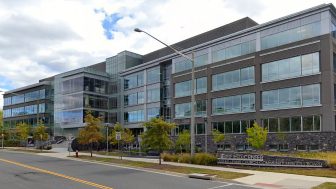
8221 Willow Oaks Corporate Drive
Fairfax, VA 22031
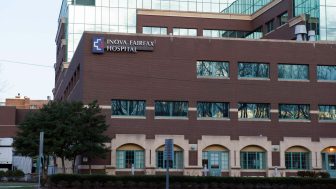
3300 Gallows Rd
Falls Church, VA 22042
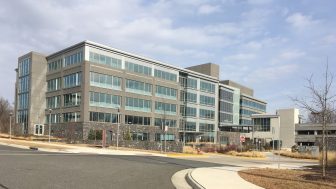
8221 Willow Oaks Corporate Dr
Fairfax, VA 22031

1934 Old Gallows Rd
Suite 210
Vienna, VA 22182
