
Safe Refuge Executive Office
 Sponsored
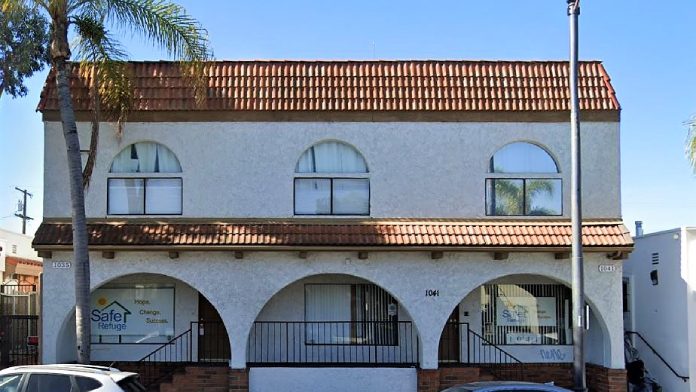
About Safe Refuge Executive Office
Residential treatment at Safe Refuge, an addiction treatment center in Long Beach, California, runs 30 to 180 days, or longer if it's needed. A stay that long can take you away from work so you'll need to plan for that.
I like that it runs programs for people with low incomes and for people who are homeless, and it admits men and women.
Two apartment buildings and 11 homes on a single block house 89 clients, and the setting is home-like.
Funding and Outpatient Hours
At Safe Refuge, paying for rehab comes from private donations, government grants and private foundations, plus fee-for-service contracts (this doesn't set what you'd owe).
Outpatient care runs in the morning, the afternoon, the evening and on weekends, so I noted that you can keep a job during treatment.
Aftercare at the Long Beach campus can last up to a year after treatment. People who finish the program are offered housing without alcohol or drugs, and the campus has apartments with one, two or three bedrooms, plus wheelchair accessible units.
Amenities
Private drug rehab provides a comfortable, secure environment that allows you to focus on doing the work to get your life back on track. Benefits include a higher staff-to-client ratio, increased one-on-one time with therapists and healthcare providers, private rooms for clients, and customized forms of therapy.
Residential drug rehab provides the comforts of home with the therapeutic support needed to successfully recover. Benefits of an inpatient program include increased safety, a higher success rate, and the time and distance given to focus on recovery. Residential drug rehabs are often the preferred method of treatment, as they can be tailored to meet specific needs, offer focused therapeutic care, and provide the necessary tools to sustain recovery.
Recreational therapy uniquely combines therapeutic interventions with an activity, like horse-riding, hiking, wilderness therapy, basketball, tennis, or a full workout. Benefits of recreational therapy include providing a healthy way to work through the emotions of recovery, learning to build and maintain relationships, improving communication skills, and building self-esteem.
Art and music are mediums that connect with our feelings, making them a great recovery tool during addiction treatment. Studies show that combining art/music and drug rehab can have a greater therapeutic impact than drug rehab alone, as you’re able to access parts of your brain and body that you may not have access to during traditional talk therapy. Benefits of art/music therapy include lowering stress and anxiety, promoting healthy neurochemicals, and providing stress relief.
Music can be extremely therapeutic, serving as a valuable healing tool and an integrative feature of a holistic treatment plan. A music room offers a large number of outlets, including singing, playing musical instruments, and listening to music.
Taking time away from a demanding corporate job to attend drug rehab may seem impossible, but executive drug rehab programs combine cutting edge addiction treatment with executive amenities like Wi-Fi, access to computers, and conference calling so you can take care of your health and stay on top of business.
Addiction Treatment Programs
Typically, a young adult program in California can guide individuals from detox, through initial treatment, and extends to aftercare. Treatment gives young adults what they need to reset their lives and move to the next stage of life free from addiction.
An adult program in California uses various therapeutic methods to treat a person who is dependent on an addictive substance. Individuals aged 18 and older are eligible for treatment, which focuses on breaking the cycle of addiction and learning how to maintain sober living.
Alcohol rehab in California provides professional treatment to guide participants through each step of recovery. Programs offer a support system to walk you through challenges and celebrate victories with you, from detox to long-term sobriety.
Gender-specific addiction treatment programs may be more effective in treating men because they focus on unique needs of males. Men’s rehab in California is designed to help men process emotions and cope with stress in a judgment-free environment.
Women’s rehab in California provides a safe environment where women can work through addiction challenges surrounded by their gender peers. This often creates an environment that is more conducive to recovery.
For those who are struggling with opioid use disorder, help is available at opioid rehab in California. This complex addiction can be treated through a combination of evidence-based therapies and medication assisted treatment.
The incidence of substance abuse and addiction is higher among the LBGTQ community. That’s why LBGTQ-friendly rehab in California is available, to offer specialized treatment that addresses the unique needs of individuals in this demographic.
Drug rehab in California teaches participants constructive ways to stay clean and sober. Treatment revolves around helping individuals stop using the substance they are addicted to and learn healthy habits to avoid relapse.
Veterans often face unique challenges from combat and military deployment. Veteran’s rehab in California addresses these issues as part of a comprehensive addiction treatment program.
Levels of Care
Outpatient treatment here varies in intensity and in how long it lasts. Morning, afternoon, evening and weekend programs are all offered.
People with combined mental health and addiction issues can get care here. Safe Refuge serves co-occurring disorders.
After treatment you can get up to one full year of aftercare. That covers relapse prevention, crisis counseling, job placement and housing search help.
Residential treatment runs from 30 days to 180 days, or longer when needed. Plan on therapeutic activities in a community setting.
When you enter drug rehab in California, detox is the first step towards becoming drug-free. The detox process includes 24/7 monitoring and medical care and may include the use of medications to ease withdrawal symptoms.
Alcohol-free and drug-free housing is available after you complete treatment. It's for people who want more time at Safe Refuge afterward.
Accreditations
Accepted Insurance

Contact Information


 Sponsored
Patti Croft is a full-time writer who writes about accessing effective addiction treatment during the day but is also pursuing her dream of penning a novel in her spare time. She enjoys copious amounts of coffee as creative fuel and sharing an office with her adorable cat, Beau. Her background is in healthcare management, and she is a passionate advocate for mental health and addiction care.
Rehabs.org regularly reviews this listing for accuracy but changes may occur between updates. For the most up-to-date information, please contact Safe Refuge Executive Office.
Nearby Treatment Centers
1720 Termino Avenue
Long Beach, CA 90804

2211 East Ocean Boulevard
Long Beach, CA 90803
1370 Alamitos Avenue
Long Beach, CA 90813

661 Newport Ave
Long Beach, CA 90804
Popular California Cities
More Cities View Other California CitiesFAQs
Where does Safe Refuge get its funding?
Funding comes from government grants and from private foundations. Fee-for-service contracts are in the mix, and so are private donations. That’s how the program is funded.
What kinds of treatment programs are offered?
Residential treatment, outpatient treatment, intensive outpatient, aftercare and alcohol-free and drug-free housing are all offered. Residential runs 30 to 180 days, or longer if needed. Outpatient meets in the morning, afternoon, evening or on weekends. Aftercare can last up to one full year. People with combined mental health and addiction issues can get co-occurring disorders care.
Who is this program open to?
The wider population can get care, not only people able to fund their own recovery. Treatment reaches the Southern California community. Special programs exist for low-income people and for people who are homeless. You don’t have to fund recovery yourself to be included.
How long is residential treatment, and when does outpatient meet?
Residential stays run 30 days to 180 days, and they can go longer if needed. That’s the stay length. Outpatient care varies in intensity and in duration. Morning, afternoon, evening and weekend programs are the options. You can read about outpatient rehab if that side is the question.
Are apartments available near the treatment center?
Furnished apartments sit close to the treatment center. They come in one-bedroom, two-bedroom and three-bedroom layouts for men, women and families. Wheelchair accessible and ADA-accessible apartments are available. An outpatient site in Long Beach holds a certification that expires 7/31/2026.
