S2L Recovery (Spring2Life): Christian Rehab Center
3180 Hill Creek Road
Woodbury, TN 37190
 Sponsored
About S2L Recovery (Spring2Life): Christian Rehab Center
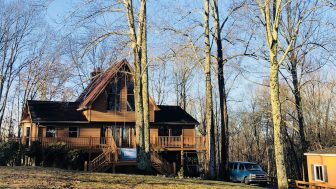
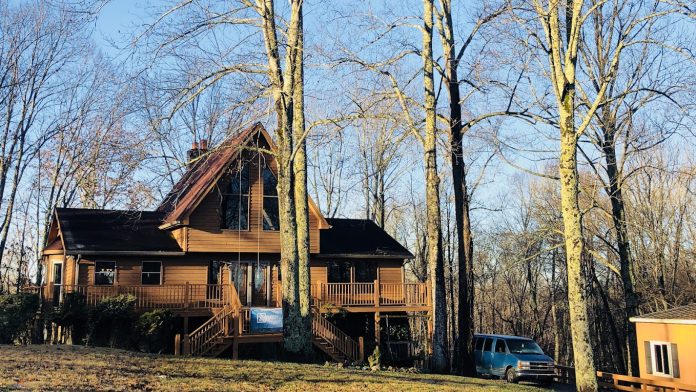
S2L Recovery (Spring 2 Life) uses a Christian faith based approach to recovery in Woodbury, Tennessee. Men 18 years of age and older are able to attend this residential care facility that is located on top of Short Mountain. Their program is designed to help you overcome addiction as well as find hope and rediscover your purpose.
I like that they integrate your medical care with spiritual healing. They believe that you will have additional support and motivation by integrating faith into the treatment program. You will be able to experience the transformative power of faith.
Through their medical detox program you will be able to cleanse your body of any currently present drugs and alcohol. During your time in detox, you’ll be able to effectively and safely address the physical and psychological challenges of withdrawals. In order to reduce the discomfort and ease the withdrawal symptoms, they are able to provide medications and therapeutic interventions. Their team will also provide round the clock medical supervision and will develop your personalized treatment plan, which will be customized based on your unique needs.
If your substance use disorder is moderate to severe, you may find their residential program to be a good fit. This program will provide an immersive and focused experience. It is a two phase program: The Lodge and The Cabin.
The Lodge will require a minimum commitment of 42 days. Typical stays go up to 73 days. During your time in this portion of the program you will be engaged in group sessions and recovery classes. You will also be able to fellowship with your peers via outings, retreats, gym activities and church services.
The Cabin is a little different in that it is located on 10 acres of farmland. During your time in this portion of the program, you will focus on practical life skills and family. You will also notice how they promote a healthy lifestyle during this phase. You’ll also be allowed more freedom and privileges such as an overnight off campus pass.
Amenities
When used as part of an evidence-based treatment plan, basketball can boost physical and mental health, lead to sharper thinking, and facilitate improved self-esteem. Drug rehabs with a basketball court also place a focus on teamwork and cooperation.
When paired with cognitive-behavioral therapy, exercise can be an effective tool for overcoming addiction. Drug rehabs with a gym offer clients healthy ways to increase energy levels, balance the body’s stress hormone levels, and aid in the brain’s healing process.
Hiking is a great way to relieve stress, get perspective, navigate challenges, connect with nature, and improve your health - all essential components of sustaining long-term recovery. Studies also show that the body releases endorphins during physical activities like hiking. These endorphins improve mood and act as a natural pain reliever.
Yoga and meditation are great activities to support your recovery process during alcohol or drug rehab. These therapies have been around for centuries, and they are an effective way to improve well-being. Combining addiction treatment, yoga, and meditation can reduce cravings, improve sleep, relieve anxiety and depression, provide stress relief, promote relaxation, support emotional healing, and improve energy levels.
Rehabs that offer mountain views provide beautiful spaces for clients to explore, de-stress, and take part in outdoor or wilderness therapy programs. The mountain surroundings can be a great help to the recovery process, as sobriety may be better achieved while surrounded by a serene setting in nature.
Private drug rehab provides a comfortable, secure environment that allows you to focus on doing the work to get your life back on track. Benefits include a higher staff-to-client ratio, increased one-on-one time with therapists and healthcare providers, private rooms for clients, and customized forms of therapy.
Wilderness rehab programs offer all the benefits of a traditional drug rehab, but with the added benefits of outdoor adventure. Venture out into the forest to learn new skills, explore the beauty of nature, and relieve stress. Engaging in wilderness activities is a great way to gain self-discovery and release negative emotions.
Addiction Treatment Programs
An adult program in Tennessee helps individuals reclaim their lives from addiction. Through various treatment methods, adults learn how to end their dependence on substances and live a drug-free lifestyle.
An alcohol rehab in Tennessee provides treatment to break free from alcohol addiction. Methods typically combine counseling, group support, and behavioral therapy, with alcohol abstinence and long-term sobriety as the goals.
Therapists and clients work collaboratively during cognitive behavioral therapy in Tennessee to develop strategies for problem solving and changing behaviors. This solution-based therapy helps change thinking and behavior patterns that lead to addiction.
EMDR Therapy is a neurobiological treatment modality used to address trauma disorders and related mental and behavioral health challenges. Short for eye movement desensitization and reprocessing, EMDR is designed to help clients cope with distressing memories and emotions, including fear, sadness, and anger. EMDR may help clients in addiction recovery manage the psychological and emotional triggers that contribute to substance misuse and/or addiction relapse.
Men’s rehab in Tennessee addresses the different life experiences and genetic factors that shape how men are affected by addiction. By doing so, this type of treatment can be most effective for men who are struggling with substance use.
Opioid rehab in Tennessee helps you overcome your addiction to opioids. Programs typically include detoxification, medication assisted treatment, and counseling. Detox helps you safely manage withdrawal. Counseling helps you explore the reasons behind your addiction and learn skills to overcome it.
An elderly rehab in Tennessee is adapted to the physical, emotional, and mental needs of seniors. Treatment is customized for the individual, with a focus on intervention, treatment, and relapse prevention.
Levels of Care
Typically, drug rehab in Tennessee begins with a detox program.. This is the process of slowly and safely purging all addictive substances from your system. Detox may take a couple of days to a week, depending on your personal history and drug of choice. .
If you choose inpatient drug rehab in Tennessee, you live at the facility while receiving treatment. You’ll have 24/7 supervised clincial care while also receiving group and individual counseling and other forms of therapy.
Those who are coping well with reentry into society while sober are good candidates for outpatient rehab in Tennessee. This program involves attending multiple on-site sessions per week to provide accountability and support. Treatment lasts as long as you need it to, as it's based on your recovery progression.
One of the best ways to prevent relapse is to take advantage of Tennessee aftercare rehab. This program begins as soon as initial treatment ends. It provides ongoing support through counselors, support groups, and life coaches, to help you overcome hurdles on your recovery journey.
Substance abuse disorders are often accompanied by mental health issues such as depression, bipolar disorder, or ADHD. In these cases, dual diagnosis treatment in Tennessee offers integrated treatment to effectively treat both co-occurring disorders.
Intervention services in Tennessee are available for family members who need support as they try to guide a loved one toward wise choices. To get loved ones the help they need, intervention specialists offer facilitation of interventions, access to valuable resources, and guidance in choosing the best treatment plan.
Sober living in Tennessee provides a structured environment with strict substance use policies that can help you learn to live a sober lifestyle. This intermediate step often helps people successfully transition from rehab treatment to independent living. An average stay is five to eight months.
Accreditations
Contact Information


 Sponsored