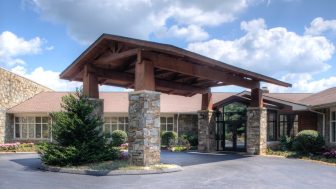
Rutherford Regional Health System
288 South Ridgecrest Street
Rutherfordton, NC 28139
 Sponsored
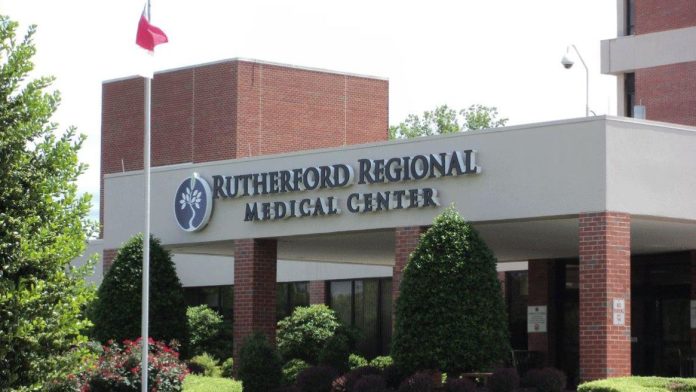
About Rutherford Regional Health System
Rutherford Regional Health System in Rutherfordton, North Carolina, is an acute care facility that offers both inpatient and outpatient care and a wide range of healthcare services. Their services include emergency care, adult inpatient treatment and outpatient treatment for mental health and co-occurring substance use disorders (SUD). The hospital accepts most insurance.
Treatment Near the Blue Ridge Mountains
Rutherfordton is located within a thermal belt in the foothills of the Blue Ridge Mountains. The thermal belt provides a moderate climate year round, and residents take advantage of the weather with outdoor activities, such as cycling, hiking, rock climbing and fishing. I think these activities that encourage fitness, relaxation and connecting with nature can be great opportunities for sober pursuits during recovery.
Personalized Inpatient Care
Notably, the hospital offers comprehensive mental health services, including inpatient treatment for adults 18 and older. It’s a small unit with 14 beds, so clients get individualized attention in an environment designed for healing and safety.
Clients dealing with addiction are eligible for inpatient care if they’re experiencing active or imminent withdrawal symptoms, confusion or tremors that require intervention and medical monitoring to avoid potential medical complications. During inpatient treatment, you’ll participate in group and recreational therapy, receive mental wellness education and undergo discharge planning.
Outpatient Dual Diagnosis Treatment Options
For clients who don’t need inpatient treatment, they also offer an intensive outpatient program (IOP). The program is for clients with depression, anxiety, mood disorders, post traumatic stress disorder (PTSD), ADHD and substance use with co-occurring mental health issues.
The program offers flexibility for clients who can’t take time off work, school or family responsibilities. Clients receive a comprehensive psychiatric evaluation to begin treatment.
Crisis Support in Rutherford County
To me one of the nice things about this facility is their emergency services. Since this is a full service acute care facility, clients experiencing a mental health or substance use crisis can go to the emergency room.
Similar to a medical emergency, the staff will make you as comfortable as possible while they determine the best course of treatment. An assessment will help the staff identify the most immediate problems and ensure your safety as they stabilize your mental health.
Amenities
Private drug rehab provides a comfortable, secure environment that allows you to focus on doing the work to get your life back on track. Benefits include a higher staff-to-client ratio, increased one-on-one time with therapists and healthcare providers, private rooms for clients, and customized forms of therapy.
Yoga and meditation are great activities to support your recovery process during alcohol or drug rehab. These therapies have been around for centuries, and they are an effective way to improve well-being. Combining addiction treatment, yoga, and meditation can reduce cravings, improve sleep, relieve anxiety and depression, provide stress relief, promote relaxation, support emotional healing, and improve energy levels.
In order to maintain a sense of autonomy, many private rehab facilities offer clients the ability to choose their own private rooms. The privacy and personal space ensure that the recovery process is as comfortable as possible.
Addiction Treatment Programs
Many therapists use cognitive behavioral therapy in North Carolina to treat substance use disorders. This goal-oriented method addresses maladaptive thinking and related beliefs that affect behaviors and can lead to addiction.
Women’s rehab in North Carolina allows women to receive gender-specific treatment tailored to their needs. Programs are available for alcohol, heroin, prescription drugs, benzos, and any other addictive substances, as well as co-occurring disorders.
Men’s rehab in North Carolina offers customized treatment for men. These programs provide personalized treatment that is designed with the unique needs of men in mind.
An adult program in North Carolina typically combines individual and group counseling, medical treatment, and various other therapies to treat substance use disorders. Treatment can take place in an inpatient or outpatient setting.
There are many types of drug rehab in North Carolina. To receive treatment for addiction, you can choose from many inpatient and outpatient programs. Often, participants start with detox and work through a full continuum of care that continues with ongoing support for long-term recovery.
Administrative Services are ancillary services provided by multidisciplinary teams of professionals, including clinicians, social workers, therapists, and case managers. These services ensure clients receive seamless, comprehensive care across all stages of recovery. Programs may include transportation assistance, intervention planning, insurance verification, supportive housing and employment, and discharge planning and support.
Levels of Care
Outpatient rehab in North Carolina is often the next step for those who complete an inpatient program. This less restrictive treatment involves several hours of therapy per week, and accountability through 12-step meetings such as AA. You’ll continue this treatment as long as needed, which could be weeks, months, or years.
When you choose inpatient drug rehab in North Carolina, you’ll live at a rehab facility for 28 to 90 days, depending on the program. Typical methods of treatment include group and individual therapy and family counseling.
Some of the most common co-occurring mental health disorders include anxiety, depression, and eating disorders. When these are present alongside substance use disorder, dual diagnosis treatment in North Carolina is necessary to address both conditions.
Recovery journeys often begin with intervention services in North Carolina. This treatment tool provides key support in planning and facilitating an effective intervention. Intervention specialists can also provide resources to develop treatment plans and guide families through the admission process.
Contact Information


 Sponsored