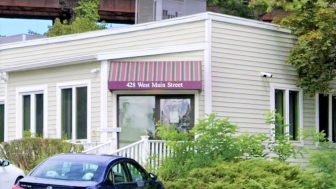
RSS – Rehabilitation Support Services
11 Twin Maples Plaza
Suite 5
Saugerties, NY 12477
 Sponsored
About RSS – Rehabilitation Support Services
Rehabilitation Support Services (RSS) is an agency dedicated primarily to providing social supports to individuals with disabilities in the southern Counties of New York State. Their office in Saugerties, New York, situated near the Falling Waters Preserve, is one of the locations where individuals can get information about and access to RSS’s various supports and services. These services include help with housing and outpatient addiction treatment programs, which can be offered to individuals aged 21 and older and can be covered by Medicaid.
Holistic, Life Building Care
RSS’s unique recovery program aims to help you in several areas of your life simultaneously. The model followed in their Community Oriented Recovery and Empowerment (CORE) services offers personalized counseling to help you overcome addictive behaviors and build healthier habits. I noticed they also use psychoeducational materials to help prevent the use of or return to substance use, as well as to help you build confidence.
Offering Access to Numerous Social Supports
The CORE program is set up in such a way as to help individuals with housing issues, developmental disabilities, or mental health issues heal or develop the skills they need in order to live a productive life. With skill building opportunities, they offer a way for individuals to learn, work and socialize in as safe a setting as possible.
If needed, RSS can also provide access to supportive housing through their Highridge Gardens program. I like that this puts you close to several employment opportunities in the Saugerties area, as well as some great relaxation spots, like the Saugerties Village Beach or the Tina Chorvas Waterfront Park.
Amenities
Private drug rehab provides a comfortable, secure environment that allows you to focus on doing the work to get your life back on track. Benefits include a higher staff-to-client ratio, increased one-on-one time with therapists and healthcare providers, private rooms for clients, and customized forms of therapy.
Residential drug rehab provides the comforts of home with the therapeutic support needed to successfully recover. Benefits of an inpatient program include increased safety, a higher success rate, and the time and distance given to focus on recovery. Residential drug rehabs are often the preferred method of treatment, as they can be tailored to meet specific needs, offer focused therapeutic care, and provide the necessary tools to sustain recovery.
Transportation services are designed to ensure your addiction treatment begins and ends successfully by offering free transportation to the rehab facility, to and from your appointments during rehab, and back home upon program completion.
In order to maintain a sense of autonomy, many private rehab facilities offer clients the ability to choose their own private rooms. The privacy and personal space ensure that the recovery process is as comfortable as possible.
Addiction Treatment Programs
While at a young adult program in New York, young people can participate in activities and therapy sessions that cater to their age bracket. They can also form relationships with other young adults for mutual support.
A quality adult program in New York provides a combination of medical, mental, and emotional support to treat the whole individual. Various methods are used to help adults achieve and maintain sobriety.
Some men benefit most from men’s rehab in New York. These programs understand the unique challenges that men face when struggling with addiction, and they offer personalized treatment to address these challenges.
Men and women face different issues when it comes to addiction and recovery. Women’s rehab in New York offers treatment approaches that address life issues that are specific to women.
Cognitive behavioral therapy in New York emphasizes how thoughts affect mood. It is a goal-oriented method that teaches participants how to address dysfunctional thoughts and underlying beliefs that can lead to substance abuse and addiction.
During elderly rehab in New York, you’ll participate in a variety of therapies, including individual, group, and family. Common methods include cognitive behavioral therapy, 12-step methods, and case management, all with a focus on age-specific needs.
Rational emotive behavioral therapy in New York is often used to treat substance use disorders as well as a variety of other mental health and behavioral disorders. It focuses on the present, achieving goals, and overcoming hardship.
Assertive Community Treatment (ACT) is an integrative, community-based care strategy designed to address the needs of persons with severe and/or complex mental illness or behavioral disorders. ACT is typically provided by a multidisciplinary team of medical and mental health care providers, social workers, therapists, and other specialists, including addiction recovery professionals. These services are frequently provided in the home and community to clients in crisis, those who are clinically unstable, and those who are unable or unwilling to travel to a hospital or clinic for in-person treatment.
Levels of Care
Mental health disorders that co-occur with substance abuse disorders often cause relapse. For successful recovery, both disorders must be treated, with dual diagnosis treatment in New York. Common methods include cognitive-behavioral therapy, medication management, and counseling.
Once rehab is complete, aftercare rehab in New York steps in to prevent relapse. This program gives you access to resources that reduce stress and help you successfully navigate challenges. Studies show that people who take advantage of these resources are more likely to maintain long-term recovery.
Inpatient drug rehab in New York can last 28 to 90 days, depending on the program. During that time, you’ll live at the rehab facility and receive various treatment methods including individual and group therapy.
A New York sober living program is appropriate for those who want to stop using drugs or alcohol but don’t feel ready to do so on their own. This communal environment allows you to live with others who are in recovery, for mutual support and accountability. A structured schedule and strict house policies help you strengthen your recovery skills, until you are strong enough to live independently.
Contact Information


 Sponsored