Rose Street Mental Health Care
 Sponsored
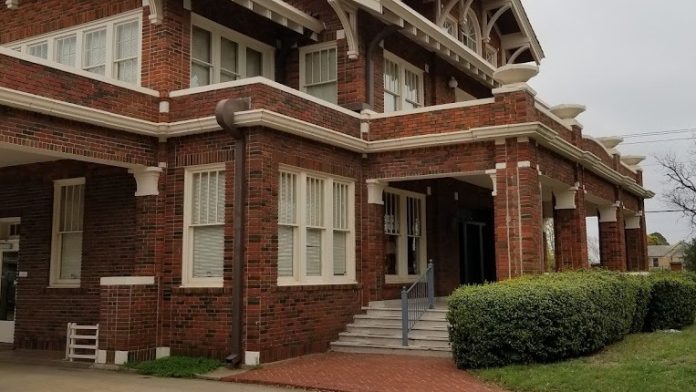
About Rose Street Mental Health Care
Rose Street Mental Health Care is a behavioral health and addiction treatment center providing outpatient mental health and substance use services to children, adults and seniors in Wichita Falls, Texas.
The clinic's multidisciplinary team includes psychiatrists, psychologists, counselors, social workers and addictionologists who deliver integrated care across the lifespan.
Rose Street takes a thorough, evaluation-first approach ensuring accurate diagnosis before beginning any treatment plan.
Medication Management
In addition to Rose Street offering outpatient services that include addiction evaluation and treatment, I also found it includes psychiatric evaluation and medication management for both children and adults.
Clients begin with a comprehensive assessment to clarify their needs before any diagnostic or treatment decisions are made. This intensive treatment helps guide the treatment process for each person.
Addressing Additional Conditions
I noted that ongoing care includes intensive therapy along with family and marriage counseling. Since addiction often affects loved ones, these sessions may help rebuild relationships and provide stronger recovery networks after treatment.
The clinical team addresses co-occurring mental health concerns alongside substance use, and residential addiction treatment is available through referral when a higher level of care is needed.
Amenities
Private drug rehab provides a comfortable, secure environment that allows you to focus on doing the work to get your life back on track. Benefits include a higher staff-to-client ratio, increased one-on-one time with therapists and healthcare providers, private rooms for clients, and customized forms of therapy.
In order to maintain a sense of autonomy, many private rehab facilities offer clients the ability to choose their own private rooms. The privacy and personal space ensure that the recovery process is as comfortable as possible.
Residential drug rehab provides the comforts of home with the therapeutic support needed to successfully recover. Benefits of an inpatient program include increased safety, a higher success rate, and the time and distance given to focus on recovery. Residential drug rehabs are often the preferred method of treatment, as they can be tailored to meet specific needs, offer focused therapeutic care, and provide the necessary tools to sustain recovery.
Addiction Treatment Programs
The goal of a young adult program in Texas is to set young people free from the effects of addiction and give them the skills they need to successfully navigate early adulthood. This is accomplished with age-appropriate settings, therapies, and activities.
The Lone Star State offers a host of options for those in search of an adult program in Texas. From inpatient to outpatient care, adults can find a program that meets their needs for effective treatment of substance use issues.
Men’s rehab in Texas can create an environment that makes men more comfortable. Many men in Texas seek out this type of treatment for its gender-specific benefits.
Many gender-specific issues must be addressed during addiction recovery. Women’s rehab in Texas provides the appropriate support for women’s challenges such as body image, motherhood, and trauma.
The goals of cognitive behavioral therapy in Texas include evaluating thoughts and changing thinking patterns that are leading to substance use. This treatment helps participants understand their motives and problem-solve to work through challenges without the use of substances.
Elderly rehab in Texas provides treatment that is best-suited for the age, physical condition, and emotional condition of each participant. Staff are trained in geriatric issues and customize addiction treatment to address these concerns.
Many gender-specific issues must be addressed during addiction recovery. Women’s rehab in Texas provides the appropriate support for women’s challenges such as body image, motherhood, and trauma.
Many Veterans can benefit from Veteran’s rehab in Texas. These programs include drug and alcohol detox services, 12-step groups, psychotherapy, relapse prevention, and sober living homes.
Rational emotive behavioral therapy in Texas follows a model used to guide clients to change their behaviors and achieve recovery. The model involves identifying an activating event, beliefs about that event, and how those beliefs lead to consequences.
Assertive Community Treatment (ACT) is an integrative, community-based care strategy designed to address the needs of persons with severe and/or complex mental illness or behavioral disorders. ACT is typically provided by a multidisciplinary team of medical and mental health care providers, social workers, therapists, and other specialists, including addiction recovery professionals. These services are frequently provided in the home and community to clients in crisis, those who are clinically unstable, and those who are unable or unwilling to travel to a hospital or clinic for in-person treatment.
While in a drug rehab in Texas, you’ll deal with underlying issues that contribute to addiction. By addressing these challenges and learning healthy ways to cope with them, you’ll develop strategies that help you live a drug-free lifestyle.
Levels of Care
Outpatient rehab in Texas provides a means for addition treatment while you live at home. You will attend regular therapy sessions and typically maintain involvement with a 12-step program. Because it is tailored for each person’s needs, there is no set timeline for completion of outpatient rehab.
A dual diagnosis treatment center in Texas provides programs for people who struggle with both substance abuse and mental illness. Treating both disorders through an integrated approach is essential for recovery.
Partial hospitalization programs (PHPs) in Texas can provide an effective alternative to inpatient care. These drug rehab programs offer many of the same treatments offered in residential care, but you don’t have to stay overnight.
Accreditations
Staff
Contact Information


 Sponsored
Patti Croft is a full-time writer who writes about accessing effective addiction treatment during the day but is also pursuing her dream of penning a novel in her spare time. She enjoys copious amounts of coffee as creative fuel and sharing an office with her adorable cat, Beau. Her background is in healthcare management, and she is a passionate advocate for mental health and addiction care.
Rehabs.org regularly reviews this listing for accuracy but changes may occur between updates. For the most up-to-date information, please contact Rose Street Mental Health Care.