
Rocky Mountain Treatment Center
 Sponsored
About Rocky Mountain Treatment Center
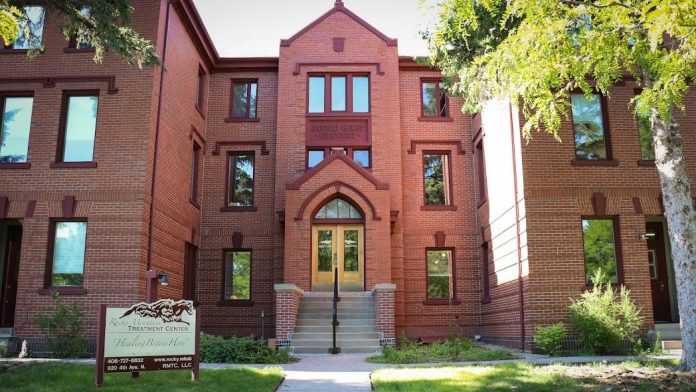
Rocky Mountain Treatment Center is a substance use treatment program in Great Falls, Montana offering compassionate care for adults with substance addictions and co-occurring mental health conditions.
I noted they have been serving clients since 1983 and emphasize a family-focused and peer-informed approach with more than 80 percent of staff in recovery themselves.
Addiction Treatment With Equine and Recreation Therapy
Treatment often begins with medical detox featuring 24 hour staff support and medically supervised stabilization before clients transition into a 30-day residential program and I found there are optional extension.
This small 26-bed setting is designed to reduce distractions and allow more personal attention. Clients can expect counseling and experiential options such as equine therapy and holistic therapy, recreation, and outings.
Rocky Mountain incorporates 12-step participation, relapse prevention, and dual diagnosis support, along with continuing care that includes weekly Zoom groups and follow-ups through one year.
Quick Facts About Rocky Mountain Treatment Center
- Location: Great Falls, Montana, set in a historic restored convent.
- Who they treat: Adults with substance use disorders, mental health conditions, and dual diagnosis.
- Approach: Holistic, family focused care with optional Wellbriety and Bible study; not a medication assisted program.
- Payment options: In-network with many insurers, private pay, and financing; no Medicaid or Medicare.
- Aftercare: Weekly nationwide Zoom groups and scheduled follow-ups through one year.
Amenities
Art and music are mediums that connect with our feelings, making them a great recovery tool during addiction treatment. Studies show that combining art/music and drug rehab can have a greater therapeutic impact than drug rehab alone, as you’re able to access parts of your brain and body that you may not have access to during traditional talk therapy. Benefits of art/music therapy include lowering stress and anxiety, promoting healthy neurochemicals, and providing stress relief.
Hiking is a great way to relieve stress, get perspective, navigate challenges, connect with nature, and improve your health - all essential components of sustaining long-term recovery. Studies also show that the body releases endorphins during physical activities like hiking. These endorphins improve mood and act as a natural pain reliever.
Yoga and meditation are great activities to support your recovery process during alcohol or drug rehab. These therapies have been around for centuries, and they are an effective way to improve well-being. Combining addiction treatment, yoga, and meditation can reduce cravings, improve sleep, relieve anxiety and depression, provide stress relief, promote relaxation, support emotional healing, and improve energy levels.
Private drug rehab provides a comfortable, secure environment that allows you to focus on doing the work to get your life back on track. Benefits include a higher staff-to-client ratio, increased one-on-one time with therapists and healthcare providers, private rooms for clients, and customized forms of therapy.
Recreational therapy uniquely combines therapeutic interventions with an activity, like horse-riding, hiking, wilderness therapy, basketball, tennis, or a full workout. Benefits of recreational therapy include providing a healthy way to work through the emotions of recovery, learning to build and maintain relationships, improving communication skills, and building self-esteem.
In order to maintain a sense of autonomy, many private rehab facilities offer clients the ability to choose their own private rooms. The privacy and personal space ensure that the recovery process is as comfortable as possible.
Addiction treatment in the metro area benefits clients by offering seamless connections from the city, around the state, and those seeking out-of-state treatment. Another benefit of attending a metro area drug rehab is that you’re close to major airports and ground transportation services.
Business centers are a preferred amenity in many mental health and addiction recovery facilities and typically feature secure, high-speed internet, computer stations, printers, and related business technologies. Business centers are designed to enable professionals and students to continue to participate in work or school activities without leaving the treatment facility.
Addiction Treatment Programs
Young people in high school, college, or starting their careers can find it challenging to seek addiction treatment. A young adult program in Montana helps overcome barriers of this stage of life by addressing these challenges and offering customized treatment.
An adult program in Montana may provide high-intensity treatment, low-intensity services, or a full continuum of care. Programs are designed to meet each individual’s needs and put them on a healthy recovery track.
Alcohol rehab in Montana typically offers detox and abstinence treatment, but it also goes beyond this initial phase of recovery. Staff connect participants with resources to provide ongoing support, to prevent relapse and ensure long-term sobriety.
There are many programs that offer men’s rehab in Montana. At these facilities, men receive supportive, gender-specific services they need to achieve recovery.
Gender-specific care is available at women’s rehab in Montana for women seeking addiction treatment. These programs provide treatment that is geared toward women and the unique issues they face.
Many addiction treatment centers include cognitive behavioral therapy in Montana as part of individualized recovery plans in either outpatient or inpatient treatment. This action-focused approach equips participants to make changes in thoughts and behaviors.
A comprehensive drug rehab in Montana treats the entire person. Treatment methods address all the underlying causes of addiction and give the individual the tools they need to live a healthy, drug-free life.
Opioid rehab in Montana usually begins with medically supervised detox, followed by an addiction treatment program. The program typically includes a variety of evidence-based therapies, such as cognitive behavioral therapy, dialectical behavior therapy, family therapy, and group therapy.
Elderly rehab in Montana is effective because it is tailored to the individual’s needs. Whether the program is inpatient or outpatient, it is designed to meet the unique needs of seniors who are struggling with substance use disorders.
Animal & equine therapy are evidence-based complementary therapies drawing on the emotional, psychological, and physiological benefits of regular contact with animals. Addiction recovery programs may incorporate the care of therapy dogs, cats, horses, and other animals into their treatment model to support clients’ development of recovery-focused life skills, including personal responsibility, time management, and empathy. Contact with therapy animals may reduce stress, enhance mood, decrease depression and anxiety, and increase clients’ self-esteem and sense of wellbeing.
Levels of Care
During outpatient rehab in Montana, you will focus on developing life skills to prevent relapse. This is accomplished through regular sessions with a therapist as well as accountability through support groups such as NA or AA. There is no set timeline for outpatient rehab, since it is based on each individual’s recovery needs.
The Montana dual diagnosis model integrates treatment for both mental health and substance abuse disorders. Specialists from both fields provide crucial treatment, so all of your recovery needs are met.
Greatly reducing the risk of relapse, aftercare rehab in Montana provides ongoing assistance after you complete treatment. Counseling services, support groups, and career coaching are some of the services offered. Aftercare support can continue as long as you need it.
Living at the rehab for the duration of your program, you're able to receive 24/7 care from an inpatient drug rehab in Montana. In this setting, you’ll receive treatment interventions that include individual and group therapy, recreational therapy, nutritional counseling, and medication management.
Detox is a necessary first step of drug rehab in Montana. During this time, your body cleanses itself of all addictive substances. You’ll receive 24/7 professional supervision, which often includes administration of medication to help with withdrawal.
In many cases, alcohol and drug rehab in Montana won’t begin without intervention. Professional intervention services include the planning and facilitation of an intervention, development of a transportaion plan, and guidance in choosing the best program for your loved one.
Partial hospitalization programs (PHPs) in Montana allow you to participate in onsite treatment sessions during the day, then return home at night. PHPs can involve different individual therapy methods, along with group and family counseling sessions.
Accreditations
Accepted Insurance







Contact Information


 Sponsored
Kimberly Hawkins holds a master’s degree in computing and information sciences from East Tennessee State University. She is a content writer specializing in alcoholism, drug addiction, and co-occurring disorders. Kimberly has been passionate about the subject of addiction since her only sibling passed away due to an accidental overdose. Her other interests include playing the piano, being in tranquil natural environments, and spending time with her adult children.
Rehabs.org regularly reviews this listing for accuracy but changes may occur between updates. For the most up-to-date information, please contact Rocky Mountain Treatment Center.
Nearby Treatment Centers

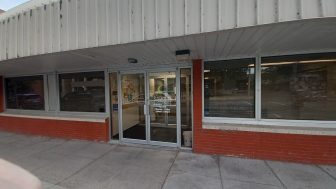
225 7th Ave S
Suite 1
Great Falls, MT 59405
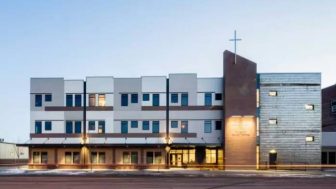
26 4th Street North
Great Falls, MT 59401
408 2nd Ave S
Great Falls, MT 59405
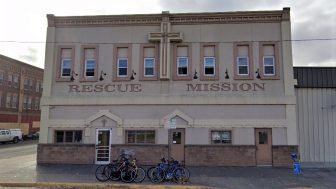
326 2nd Avenue South
Great Falls, MT 59405
