
Roaring Brook Recovery
 Sponsored
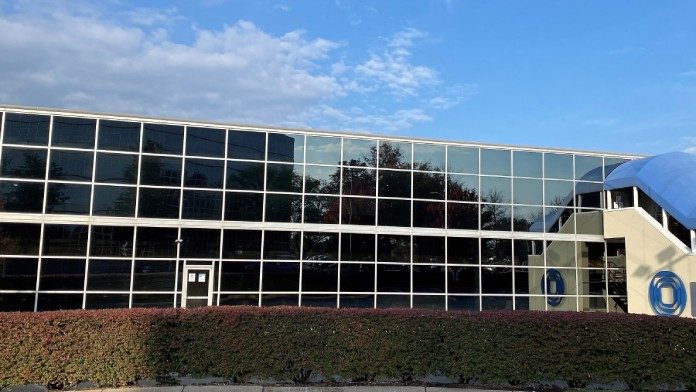
About Roaring Brook Recovery
Roaring Brook Recovery offers substance abuse treatment in Lexington.
The team treats alcohol and drug use along with mental health conditions that affect men, women and college students.
They provide treatment planning, encourage family involvement, and include ongoing recovery support that meets you wherever you are in the healing process.
Flexible Addiction Treatment
I noted that they offer a full continuum that includes traditional outpatient care, intensive outpatient and partial hospitalization.
Intensive outpatient allows you to keep living at home and maintain daily responsibilities.
Medication assisted treatment, aftercare and alumni support round out the recovery journey.
Treatment blends 12 step recovery support meetings with therapy that includes individual, group, and family sessions.
They offer methods like neurofeedback and experiential options with art and music therapy to address emotional regulation and provide deeper healing.
Practical Support and Integrated Care
I found that case management supports life after treatment with referrals for sober living, job placement, benefits, budgeting and legal barriers that can hinder your recovery.
Roaring Brook also provides hepatitis C treatment that is open to community members even if they are enrolled in addiction care.
Amenities
In order to maintain a sense of autonomy, many private rehab facilities offer clients the ability to choose their own private rooms. The privacy and personal space ensure that the recovery process is as comfortable as possible.
Addiction treatment in the metro area benefits clients by offering seamless connections from the city, around the state, and those seeking out-of-state treatment. Another benefit of attending a metro area drug rehab is that you’re close to major airports and ground transportation services.
Business centers are a preferred amenity in many mental health and addiction recovery facilities and typically feature secure, high-speed internet, computer stations, printers, and related business technologies. Business centers are designed to enable professionals and students to continue to participate in work or school activities without leaving the treatment facility.
Addiction Treatment Programs
Adolescents and young adults who are struggling with addiction can get help at a young adult program in Kentucky. These programs offer specialized drug abuse treatment for individuals in their teens and 20s.
Recovery from addiction happens at an adult program in Kentucky. These treatment services provide the support needed to help men and women break the cycle of addiction and live a life free from substance dependence.
Alcohol rehab in Kentucky helps participants develop motivation to change, learn new coping skills, and achieve long-term sobriety. Treatment methods typically include individual and group therapy and 12-step support.
Men’s rehab in Kentucky often addresses both substance use disorders and co-occurring disorders. Men can seek treatment for drug or alcohol addiction as well as gender-specific treatment for depression, anxiety, bipolar disorder, PTSD, and ADHD.
Women’s rehab in Kentucky provides the opportunity for women to get support from their female peers. These connections can help women overcome challenges and achieve long-term recovery.
Opioid rehab in Kentucky teaches individuals strategies to overcome addiction. Through the use of multiple treatment modalities, such as behavioral, experiential, and medication addicted treatment, these programs help men and women achieve long-term sobriety.
Drug rehab in Kentucky often starts with detox, then includes inpatient or outpatient treatment, and continues with aftercare support. Specific methods used during each of these phases varies, but often include individual and group counseling, medication, and recreational therapies.
Elderly rehab in Kentucky provides evidence-based care to treat addiction in seniors. Programs address the challenges of aging that often contribute to substance abuse among the elderly.
Cognitive behavioral therapy in Kentucky is an effective treatment method for addiction. Individuals can practice techniques that are learned in therapy on their own, so they have the tools they need to avoid relapse and maintain sobriety.
Rational emotive behavioral therapy in Kentucky helps you replace unhealthy thoughts and beliefs with healthy coping skills. It focuses on the present and empowers you to reduce self-sabotaging behaviors.
Levels of Care
Kentucky outpatient rehab experts will assess your needs and create a treatment program tailored to your recovery. Treatment typically includes several hours of counseling each week as well as group therapy. You’ll probably also attend a support group such as NA or AA. Length of treatment varies based on your needs.
Kentucky dual diagnosis treatment centers focus on treating mental health disorders alongside addiction. Common methods include counseling, medication management, relapse prevention, and cognitive-behavior therapy.
Ongoing recovery requires ongoing treatment in the form of Kentucky aftercare rehab Once you complete an initial treatment program, aftercare provides long-term support to keep you on the recovery path. 12-step groups, occasional counseling, and personal life coaching may continue for several months or a year.
Inpatient rehab, also known as residential rehab, means living at the drug rehab in Kentucky while receiving 24/7 supervised medical care. Treatments typically include individual and group therapy, as well as medication and various forms of psychotherapy.
The process of cleansing your body of addictive substances is called detox. This is usually the first step of drug rehab in Kentucky. You’ll receive round-the-clock care during this time, including medication to alleviate withdrawal symptoms.
Residents of Kentucky sober living homes receive peer support as they work toward independent living. This communal situation typically includes involvement in a 12-step program, participation in household responsibilities, and strict house rules. An average stay is five to eight months, but you can decide when you’re ready to move out on your own.
The goal of intervention services in Kentucky is to motivate your loved one to begin their journey toward recovery. These services can help you plan and facilitate an intervention, develop a treatment plan, and choose the best type of program for your loved one.
Partial hospitalization programs (PHPs) allow you to live at home while receiving onsite treatment at drug rehab facilities in Kentucky. You may receive many of the same treatment modalities of inpatient care, with the difference being that you can return home during non-treatment hours.
Accreditations
Accepted Insurance



Contact Information


 Sponsored
Patti Croft is a full-time writer who writes about accessing effective addiction treatment during the day but is also pursuing her dream of penning a novel in her spare time. She enjoys copious amounts of coffee as creative fuel and sharing an office with her adorable cat, Beau. Her background is in healthcare management, and she is a passionate advocate for mental health and addiction care.
Rehabs.org regularly reviews this listing for accuracy but changes may occur between updates. For the most up-to-date information, please contact Roaring Brook Recovery.
Nearby Treatment Centers

245 Fountain Court
Pyschiatry Outpatient Clinic Second & Third Floor,
Lexington, KY 40509
3550 Pimlico Parkway
Lexington, KY 40517
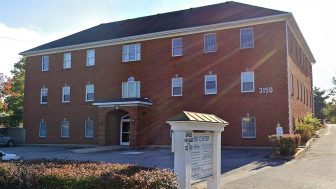
3150 Custer Dr
Suite 101
Lexington, KY 40517

3479 Buckhorn Dr
# 106
Lexington, KY 40515
