Thrive Behavioral Health
173 Locust Ave
Portsmouth, RI 02871
 Sponsored
About Thrive Behavioral Health
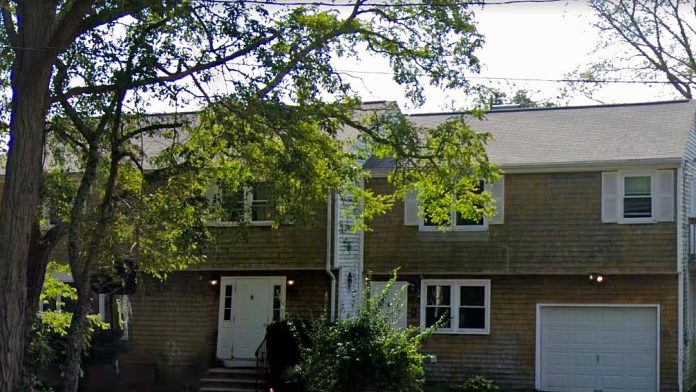
Riverwood Mental Health Services merged with the Kent Center for Organizational Development Inc. They’ve now changed their name to Thrive Behavioral Health, which reflects their work as a multidisciplinary organization providing comprehensive human services. They have community support programs, behavioral health and co-occurring substance use treatment services, youth and family services, and housing programs and services.
The facility is located in Portsmouth, Rhode Island. The center accepts Medicare, Medicaid, and military insurance (such as TRICARE). They have an income based sliding fee scale, and they accept some other state financed insurance plans.
Housing First Treatment Model
Portsmouth is a scenic town that’s home to the US Sailing Headquarters. Nearby Sandy Point Beach is a beautiful place to walk and enjoy the healing aspects of nature and the open water. I noticed that the organization utilizes the housing first model.
This is an evidence based practice that meets individuals where they are. They work with those who are chronically unhoused or who have recently become unhoused. Clients receive individualized care that integrates clinical and mental health treatment in the housing support model.
Clients receive community based case management, medication management, and vocational services. For clients with a verifiable disability between the ages of 18-62, the Kent Housing Authority offers subsidized housing. Housing is in HUD multifamily housing units, single family homes, and private apartments.
Helping Teens and Young Adults
The organization recognizes the lack of behavioral health services for young adults and teens, so I think it’s great that they developed the Healthy Transitions program. The program helps those ages 16-25.
The program assists clients having their first episode of psychosis. Clients are given the tools they need to improve their mental health and meet personal goals while making the transition into adulthood. The program teaches coping strategies that help clients better navigate their new independence and the roles and responsibilities that come with it.
Amenities
Private drug rehab provides a comfortable, secure environment that allows you to focus on doing the work to get your life back on track. Benefits include a higher staff-to-client ratio, increased one-on-one time with therapists and healthcare providers, private rooms for clients, and customized forms of therapy.
Residential drug rehab provides the comforts of home with the therapeutic support needed to successfully recover. Benefits of an inpatient program include increased safety, a higher success rate, and the time and distance given to focus on recovery. Residential drug rehabs are often the preferred method of treatment, as they can be tailored to meet specific needs, offer focused therapeutic care, and provide the necessary tools to sustain recovery.
Addiction Treatment Programs
Many disorders and addictions can be treated at a young adult program in Rhode Island. Programs combine family, group, and individual therapies in an age-appropriate environment to treat alcohol and drug use disorders as well as co-occurring disorders such as anxiety and depression.
Each available adult program in Rhode Island offers a full continuum of care to those aged 18 and up.. Inpatient, outpatient, and sober living programs offer varying levels of intensity to meet the needs of every individual.
Alcohol rehab in Rhode Island is more than simple alcohol abstinence. These treatment programs teach you how to change your lifestyle and environment so you can maintain sobriety and enjoy long-term recovery.
Men often feel safer in men’s rehab in Rhode Island and more comfortable without the presence of women. This allows them to deal with sensitive topics such as traumatic events and deep-rooted emotions.
Providing a firm foundation for women to build sober lives, women’s rehab in Rhode Island increases recovery success. Treatment addresses specific challenges women face in day-to-day life, to teach them new ways to cope without turning to substances.
The goal of opioid rehab in Rhode Island is to help you take control of your life and prevent negative outcomes from opioid use. The first phase of healing is typically detox, which is followed by comprehensive addiction treatment.
During cognitive behavioral therapy in Rhode Island, therapists use role-playing techniques to help participants develop skills to deal with challenges without turning to substances. Treatment focuses on changing thoughts and related behaviors.
During drug rehab in Rhode Island, you’ll participate in a variety of therapeutic interventions designed to help you break free from addiction. Common methods include cognitive behavioral therapy, music and art therapy, 12-step support, and nutrition/exercise.
While many facilities can help seniors with addiction, elderly rehab in Rhode Island offers tailored treatment for this population. Elderly rehab offers age-appropriate care that addresses physical, mental, and social concerns of older adults.
In Rhode Island, LGBTQ-friendly rehab offers many of the same treatment methods found traditional programs. However, staff are trained to provide relevant treatment to LGBTQ individuals, based on their unique needs.
Veteran’s rehab in Rhode Island typically includes medical detox, 12-step programs, and trauma-focused therapies. Staff used evidence-based treatment methods to address unique challenges that Veterans face with addiction and related mental health disorders.
Rational emotive behavioral therapy in Rhode Island teaches you how to replace dysfunctional thoughts with beliefs that help you stop abusing substances and achieve life goals. Treatment starts with identifying irrational beliefs and understanding their consequences.
Assertive Community Treatment (ACT) is an integrative, community-based care strategy designed to address the needs of persons with severe and/or complex mental illness or behavioral disorders. ACT is typically provided by a multidisciplinary team of medical and mental health care providers, social workers, therapists, and other specialists, including addiction recovery professionals. These services are frequently provided in the home and community to clients in crisis, those who are clinically unstable, and those who are unable or unwilling to travel to a hospital or clinic for in-person treatment.
Levels of Care
Outpatient rehab in Rhode Island involves less frequent sessions than inpatient programs. You’ll attend therapy and 12-step meetings, while maintaining other life responsibilities. This will help you remain accountable while learning to live a sober lifestyle.
Substance abuse and mental illness often overlap. If you struggle with addiction and a condition such as anxiety or depression, you need dual diagnosis treatment in Rhode Island. This will provide treatment for both disorders.
For those who need intensive treatment, inpatient drug rehab in Rhode Island allows you to reside at the treatment center for the length of the program, which may range from a few weeks to more than three months. You'll attend multiple addiction counseling sessions per week, including individual, group, and family counseling.
When you enter drug rehab in Rhode Island, you’ll begin your road to recovery with detox. This is the process of slowly and safely ridding your body of addictive substances. The length of detox varies, based on personal history and type of substances used.
Sober living in Rhode Island provides accountability and stability for those who need extra support during the early days of their recovery journey. This environment is often beneficial for those who don’t have a strong support system, have been through rehab treatment recently, or have been resistant to treatment in the past.
Intervention services in Rhode Island are an effective way to start the recovery journey. These services include valuable education and resources for family members. Experts can help with intervention facilitation and the development of the best treatment plan to suit your loved one’s needs.
Contact Information


 Sponsored