
Riverwalk Counseling Center
710 East Ogden Avenue
Suite 330
Naperville, IL 60563
 Sponsored
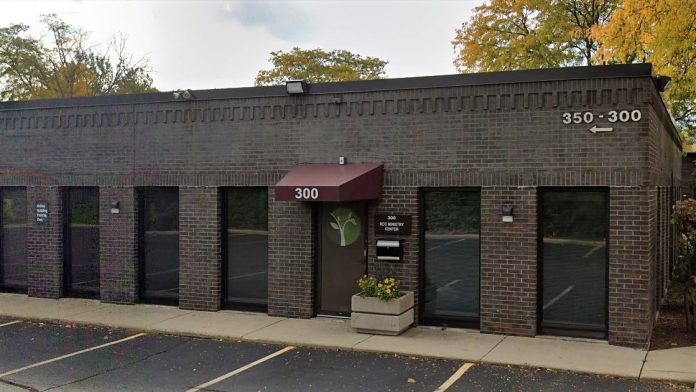
About Riverwalk Counseling Center
Riverwalk Counseling Center is a Naperville, Illinois outpatient counseling practice specializing in addiction, dual diagnosis and broader mental and behavioral health care for adults, adolescents, families and helping professionals.
The team offers traditional modalities including CBT, EMDR, ACT, motivational interviewing, psychodynamic therapy and solution-focused care to address substance use, trauma, anxiety, depression, postpartum concerns and women's issues.
Providing personalized care since 2006, Riverwalk aims to be "big enough to help, small enough to care," matching each client with a therapist suited to their needs.
Addiction Help with Behavioral Care
Riverwalk's core focus is outpatient treatment for addiction and co-occurring disorders, including process addictions, alcohol and drug use and related behavioral dependencies.
President Char Scott brings LCSW, CADC, and CIP credentials, along with experience developing co-occurring disorder programs in hospital settings and leading Arise interventions.
Their sessions, I've seen, combine individual psychotherapy, assessment and therapist-matched treatment planning with approaches like motivational interviewing and CBT.
The practice also offers group psychotherapy, continuing care and structured intervention support for families helping a loved one enter recovery.
Trauma-Informed and Women's Mental Health Support
Beyond addiction care, Riverwalk, I've found, provides specialized treatment for trauma using EMDR, along with support for postpartum issues, codependency, divorce and women's mental health.
Spanish-language counseling is available, and the team includes clinicians experienced in art therapy, play therapy and strengths-based care for diverse ages and backgrounds.
Insurance and Getting Started
Riverwalk serves clients in person at its Naperville office and via telehealth across surrounding communities including Aurora, Bolingbrook, Downers Grove, Lisle and Plainfield.
The practice accepts many major insurance plans, including Aetna, BlueCross BlueShield, Cigna, Humana, Medicare, TRICARE and UnitedHealthcare, with out-of-network billing available.
Addiction Treatment Programs
Each alcohol rehab in Illinois is unique, but most include three basic aspects of treatment: medical detox, psychotherapy, and medication. Through these methods, participants receive treatment for the physical, mental, and emotional aspects of alcohol use disorder.
Women who have substance use disorders are more likely than men to have co-occurring mental health disorders. Women’s rehab in Illinois often provides treatment for dual diagnosis, so women can get help for their addiction and disorders such as anxiety or depression.
In Illinois, cognitive behavioral therapy is an effective method for addiction treatment. It teaches effective communication skills, provides tools to help people improve mood, and empowers participants to dismiss insecurities that can lead to substance abuse.
Drug rehab in Illinois is designed to help men and women recover from drug addiction. The length of the program and its intensity vary, based on the individual’s needs. It’s important to find the right program to suit your unique situation and challenges.
EMDR Therapy is a neurobiological treatment modality used to address trauma disorders and related mental and behavioral health challenges. Short for eye movement desensitization and reprocessing, EMDR is designed to help clients cope with distressing memories and emotions, including fear, sadness, and anger. EMDR may help clients in addiction recovery manage the psychological and emotional triggers that contribute to substance misuse and/or addiction relapse.
Levels of Care
Outpatient rehab in Illinois may be brief or long-term, depending on the individual. During this time, you will maintain membership in a support group as well as attend one-on-one counseling sessions. The focus is ongoing development of life skills that will prevent relapse.
An Illinois dual diagnosis program treats both your mental health and recovery needs. Psychiatrists and addiction specialists work together to address co-occurring disorders, such as depression, anxiety, or ADHD.
The first step toward a drug-free future is typically detox. This initial phase of drug rehab in Illinois can last up to a week. During this time, addictive substances are slowly and safely cleansed from your body.
In many cases, drug rehab in Illinois begins with intervention. Professional intervention services are available to help you facilitate an intervention, develop a treatment plan, and choose the program that best suits your loved one’s needs.
Contact Information


 Sponsored
Maygen Brockway, MTC, has more than 10 years of editing and writing experience. She’s written for the medical, wedding, fashion, and technical industries. She’s a poetry lover, coffee and whiskey drinker, social butterfly, and mom who lives in scenic Southern Utah. She has a Master’s in Technical Communication and loves writing.
Rehabs.org regularly reviews this listing for accuracy but changes may occur between updates. For the most up-to-date information, please contact Riverwalk Counseling Center.
Nearby Treatment Centers


50 S Main St
#290
Naperville, IL 60540
1110 North Washington Street
Naperville, IL 60563

1335 North Mill Street
#100
Naperville, IL 60563
121 North Washington Street
Naperville, IL 60540
