
Rescue Mission of Utica: Addictions Crisis Center
 Sponsored
About Rescue Mission of Utica: Addictions Crisis Center
Rescue Mission of Utica: Addictions Crisis Center is a residential addiction stabilization program in Utica, New York.
I'm impressed by their holistic programs. The Addiction Stabilization Center is a 25-bed facility that helps clients manage withdrawal, cravings and cooccurring psychiatric or medical symptoms before transitioning to ongoing care.
I also like how their faith based Christian ministry blends medical oversight with person centered, spiritually supportive recovery.
Stabilization and Recovery Programs
Treatment begins with residential stabilization, regulated by New York State's addiction services authority and supported by physician supervision, psychiatric nurse practitioners, RNs, LPNs and clinical staff.
Clients may receive medically assisted withdrawal alongside individual and group counseling tailored to their needs.
Residents benefit from a person-centered treatment model that addresses substance use, past trauma and mental health concerns.
Recovery supports include peer support services, family involvement, medication education, AA and NA participation.
Quick Facts
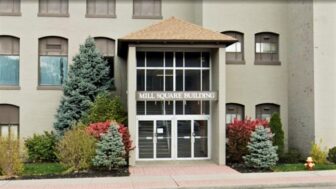
- Location: 210 Lansing Street in Utica, serving the Mohawk Valley region
- Level of care: 25-bed residential stabilization with medically assisted withdrawal
- Who they treat: Adult men and women age 18 and older; clients do not need to be homeless to qualify
- Approach: Faith based, person centered care addressing trauma and cooccurring mental health needs
- Payment options: Accepts a variety of health insurance plans
- Amenities: Safe shelter, meals, hygiene items, clothing and laundry services
- Continuum: Connections to Peer Support Services and Parker House Aftercare
Amenities

Residential Setting
Residential drug rehab provides the comforts of home with the therapeutic support needed to successfully recov...er. Benefits of an inpatient program include increased safety, a higher success rate, and the time and distance given to focus on recovery. Residential drug rehabs are often the preferred method of treatment, as they can be tailored to meet specific needs, offer focused therapeutic care, and provide the necessary tools to sustain recovery.Addiction Treatment Programs
Adult Program
A quality adult program in New York provides a combination of medical, mental, and emotional support to treat the whole individual. Various methods are used to help adults achieve and maintain sobriety.Alcoholism
To address the full range of issues involved in alcohol use disorder, an alcohol rehab in New York often incorporates a variety of treatment methods. Physical activity, nutrition, psychotherapy, and support groups are common aspects of treatment.Opioid Treatment
There are many options available for opioid rehab in New York. Treatment programs include detox, inpatient rehab, outpatient rehab, or intensive outpatient programs (IOPs). Consider the severity of your addiction, how long you’ve been addicted, and personal history to determine which type of program is best for you.Cognitive Behavioral Therapy (CBT)
Cognitive behavioral therapy in New York emphasizes how thoughts affect mood. It is a goal-oriented method that teaches participants how to address dysfunctional thoughts and underlying beliefs that can lead to substance abuse and addiction.Drug Rehab
When you choose drug rehab in New York, you’ll participate in a variety of treatments that are designed to help you live a drug-free lifestyle. Common methods of treatment include group, individual, and family counseling, medication management, nutrition, exercise, and management of co-occurring mental health disorders.12-Step Program
12-Step Programs are among the most popular and proven addiction recovery programs in the world. They are predicated on a lifelong recovery model that prioritizes whole-person healing and integrates the physical, psychological, emotional, social, and spiritual aspects of recovery. Programs are free, anonymous, open to the public, and community-based and are centered on group support, one-on-one peer coaching, and recovery education.Levels of Care
Inpatient Rehab
Inpatient drug rehab in New York can last 28 to 90 days, depending on the program. During that time, you’ll ...live at the rehab facility and receive various treatment methods including individual and group therapy.Detox & MAT
The first step toward a drug-free future is detox in New York. This is the process of slowly and safely riddin...g your body of all addictive substances, while under 24/7 supervision by professionals.Aftercare & Alumni Program
Once rehab is complete, aftercare rehab in New York steps in to prevent relapse. This program gives you access... to resources that reduce stress and help you successfully navigate challenges. Studies show that people who take advantage of these resources are more likely to maintain long-term recovery.Drug & Alcohol Intervention
Intervention services are a valuable addiction treatment tool for those seeking to get a loved one started on ...a recovery journey. Professional intervention staff can help plan and facilitate interventions, provide access to key resources, and assist in developing a personalized treatment plan for drug rehab in New York.Insurance
 Financial Aid
If you require assistance with paying for alcohol and drug rehab in New York, you may be eligible for financia...l aid. Financial assistance options include grants, scholarships, non-profit programs, personal funding, and health insurance programs to help you manage the expense of substance abuse treatment.
 Private Insurance
If you have private insurance, you may be able to use it to help pay for alcohol and drug rehab in New York. T...he amount covered will depend on your policy and whether the treatment center is in-network or out-of-network. You may be left with some costs like a co-payment, or co-insurance. Check with your insurer for more information.
 Self-Pay Options
You have the option to pay for alcohol and drug rehab treatment out-of-pocket in New York, known as self-pay o...r private pay. This gives you control over the cost of your recovery journey and access to all levels of care, including detox, inpatient rehab, and more.Contact Rescue Mission of Utica: Addictions Crisis Center


 Sponsored
Amy Greene’s first novel Bloodroot was a New York Times and National Bestseller and a New York Times Editor’s Choice pick. Her second novel Long Man was a Washington Post Top Book of the Year. She lives in the Smoky Mountains of East Tennessee with her husband and two children.
Rehabs.org regularly reviews this listing for accuracy but changes may occur between updates. For the most up-to-date information, please contact Rescue Mission of Utica: Addictions Crisis Center.
Nearby Treatment Centers

Popular New York Cities
View Other New York CitiesFAQs
Can someone walk in for detox help at Rescue Mission of Utica?
Yes, the Addiction Stabilization Center at Rescue Mission of Utica accepts walk-ins 24/7 for individuals experiencing withdrawal from alcohol or other drugs. No appointment is needed. The center is located at 210 Lansing Street in Utica, NY, and provides immediate medical assessment and stabilization services.
What substances does Rescue Mission of Utica's detox program treat?
The Addiction Stabilization Center provides medically monitored withdrawal management for alcohol and other drug dependencies. The facility’s multidisciplinary team includes medical staff, nursing, and counseling to support individuals during the stabilization and detoxification process.
How does Rescue Mission of Utica help after detox is complete?
After stabilization, the center’s team assists individuals in connecting to the next appropriate level of care, which may include inpatient rehabilitation, outpatient treatment, or supportive housing resources. Referrals and case management support guide the transition to ongoing recovery services.
Does Rescue Mission of Utica serve people experiencing homelessness?
Yes, the Addiction Stabilization Center specifically serves individuals who may be homeless or lack safe housing while stabilizing. The facility provides a safe environment and works to connect people to housing resources and community supports as part of the recovery plan.
What should someone do if they need immediate detox help in Utica?
Individuals can call the 24-hour hotline at (315) 735-1645 or walk into the Addiction Stabilization Center at 210 Lansing Street, Utica, NY 13501 at any time. The facility also offers assistance with transportation to help people reach the center when in crisis.
