Red River Recovery Center
701 Center Avenue East
Dilworth, MN 56529
 Sponsored
About Red River Recovery Center
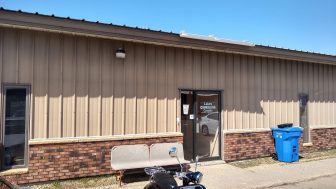
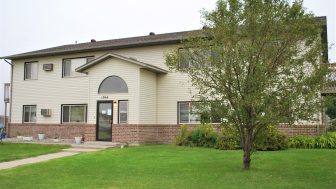
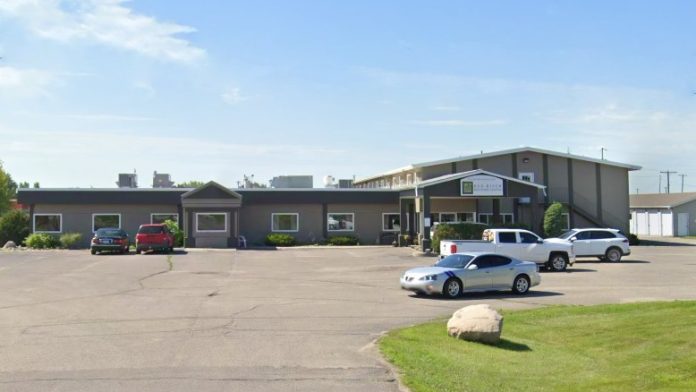
Red River Recovery Center is a transitional living home in Dilworth, Minnesota. They offer a stable sober living environment for adults starting recovery or stepping down from a higher level of care. With multiple intensity levels, you’ll benefit from addiction and co-occurring treatment that fits your situation.
Their program offers two levels of care: medium and low intensity. Each provides peer support groups, individual counseling and group sessions. Their medium intensity track requires at least 15 hours of weekly programming while lower intensity involves a minimum of five.
What stands out most to me is their location. They’re conveniently situated near various universities, a technical college and other educational facilities. They also have mental health services and over 70 peer support groups nearby. Furthermore, you’ll be close to multiple full and part time jobs including temporary employment opportunities. I think this is a great setup to work on essential parts of recovery, like completing your education, finding employment and building a solid sober network.
Another wonderful feature is their program structure. They separate the medium intensity level into three different phases. As you progress through treatment, you’ll gain more independence and privileges. You’ll benefit from a balance between structure and autonomy. That way, you can move through each phase with ongoing support at a pace that works for you.
The last element that caught my eye was their holistic activities. Every morning begins with meditation. You’ll then participate in art and recreational therapy as well as other proven interventions. These approaches can help you explore new ways to express your thoughts, feelings and emotions. You’ll focus on healing your mind, body and soul. You can also carry these practices with you after treatment to aid in long term recovery.
Amenities
Private drug rehab provides a comfortable, secure environment that allows you to focus on doing the work to get your life back on track. Benefits include a higher staff-to-client ratio, increased one-on-one time with therapists and healthcare providers, private rooms for clients, and customized forms of therapy.
In order to maintain a sense of autonomy, many private rehab facilities offer clients the ability to choose their own private rooms. The privacy and personal space ensure that the recovery process is as comfortable as possible.
Residential drug rehab provides the comforts of home with the therapeutic support needed to successfully recover. Benefits of an inpatient program include increased safety, a higher success rate, and the time and distance given to focus on recovery. Residential drug rehabs are often the preferred method of treatment, as they can be tailored to meet specific needs, offer focused therapeutic care, and provide the necessary tools to sustain recovery.
Acupuncture is one of the most popular luxurious and alternative therapies offered by rehabs. An acupuncture room provides benefits like pain reduction, improved sleep, a healthy immune system, and a decrease in anxiety.
Hiking is a great way to relieve stress, get perspective, navigate challenges, connect with nature, and improve your health - all essential components of sustaining long-term recovery. Studies also show that the body releases endorphins during physical activities like hiking. These endorphins improve mood and act as a natural pain reliever.
Art and music are mediums that connect with our feelings, making them a great recovery tool during addiction treatment. Studies show that combining art/music and drug rehab can have a greater therapeutic impact than drug rehab alone, as you’re able to access parts of your brain and body that you may not have access to during traditional talk therapy. Benefits of art/music therapy include lowering stress and anxiety, promoting healthy neurochemicals, and providing stress relief.
When used as part of an evidence-based treatment plan, basketball can boost physical and mental health, lead to sharper thinking, and facilitate improved self-esteem. Drug rehabs with a basketball court also place a focus on teamwork and cooperation.
When it comes to addiction treatment, there are some undeniable benefits of attending a rehab with beach views. For clients who connect with the feeling of sand under their feet, the sounds of ocean waves rhythmically crashing against the shore, and the warmth of the sun on their skin, attending a rehab located on the beach offers a unique form of restoration that only nature can provide.
Business centers are a preferred amenity in many mental health and addiction recovery facilities and typically feature secure, high-speed internet, computer stations, printers, and related business technologies. Business centers are designed to enable professionals and students to continue to participate in work or school activities without leaving the treatment facility.
Addiction treatment programs provide an opportunity to get your life back on track with access to school classes or college courses. Whether you want to finish your GED or go back to school to learn a new trade, facilities often enlist tutors and teachers who are certified or licensed by the state to oversee self-study or distance-learning education.
Desert View amenities provide Desert drug rehabilitation facilities are simply rehab facilities that are located in desert areas such as Arizona or New Mexico. People who live in other areas of the country may want to attend a desert view rehab because they provide a beautiful sense of isolation that helps to protect anonymity or gives them a sense of peace.
Taking time away from a demanding corporate job to attend drug rehab may seem impossible, but executive drug rehab programs combine cutting edge addiction treatment with executive amenities like Wi-Fi, access to computers, and conference calling so you can take care of your health and stay on top of business.
There are many pathways to recovery and some journeys take a more labor-intensive approach, by attending a farm-based drug rehab. Farm life has many parallels with recovery: it requires constant tending, nurturing, and creating the conditions necessary to thrive. The benefits of a farm program include learning new skills, building a recovery community, peer support, and contributing to a greater ecosystem.
When paired with cognitive-behavioral therapy, exercise can be an effective tool for overcoming addiction. Drug rehabs with a gym offer clients healthy ways to increase energy levels, balance the body’s stress hormone levels, and aid in the brain’s healing process.
Luxury rehab is a form of treatment offered in a residential, resort-style setting. You’ll receive personalized treatment from staff and clinicians, have access to forms of treatment that go beyond what a typical inpatient rehab offers, and offer specific amenities like ocean views, large single occupancy bedrooms with private baths, and complementary spa treatments like massage, acupuncture, or reiki. Most luxury rehab centers have a limited number of beds.
The massage room offers a wealth of benefits as part of an overall evidence-based drug and alcohol recovery program. Massage therapy boosts blood flow and flushes lactic acid from the muscles, and the vascular benefits last several days after the massage.
Yoga and meditation are great activities to support your recovery process during alcohol or drug rehab. These therapies have been around for centuries, and they are an effective way to improve well-being. Combining addiction treatment, yoga, and meditation can reduce cravings, improve sleep, relieve anxiety and depression, provide stress relief, promote relaxation, support emotional healing, and improve energy levels.
Addiction treatment in the metro area benefits clients by offering seamless connections from the city, around the state, and those seeking out-of-state treatment. Another benefit of attending a metro area drug rehab is that you’re close to major airports and ground transportation services.
Rehabs that offer mountain views provide beautiful spaces for clients to explore, de-stress, and take part in outdoor or wilderness therapy programs. The mountain surroundings can be a great help to the recovery process, as sobriety may be better achieved while surrounded by a serene setting in nature.
Music can be extremely therapeutic, serving as a valuable healing tool and an integrative feature of a holistic treatment plan. A music room offers a large number of outlets, including singing, playing musical instruments, and listening to music.
Research shows that time spent in nature can increase relaxation and improve mental clarity. For those reasons, many people entering treatment for a substance use disorder can benefit from time spent at a drug and alcohol rehab with oceanfront views.
There’s nothing more distressing than leaving pets at home when leaving for for rehab. That’s why many addiction treatment programs are now pet friendly, allowing you to bring pets with you while attending a residential drug rehab program. These tailored addiction treatment programs provide a private room that has space to comfortably support you and your beloved furry companion.
Transportation services are designed to ensure your addiction treatment begins and ends successfully by offering free transportation to the rehab facility, to and from your appointments during rehab, and back home upon program completion.
Recreational therapy uniquely combines therapeutic interventions with an activity, like horse-riding, hiking, wilderness therapy, basketball, tennis, or a full workout. Benefits of recreational therapy include providing a healthy way to work through the emotions of recovery, learning to build and maintain relationships, improving communication skills, and building self-esteem.
Resort Setting is a term used to describe many luxury addiction recovery centers due to the premium features available to clients. Amenities in resort-style treatment centers may include secluded beach, mountain, or desert locales, chef-prepared meals, and onsite spas and saunas, as well as swimming, fitness, and recreation facilities. A variety of premium services are often also available at resort-style treatment centers, such as therapeutic massage.
Drug and alcohol rehabs with a river view can help to decrease anxiety, relieve depression, and improve concentration. Being in nature can even provide health benefits for some people, including lowering blood pressure.
Therapeutic relaxation in a rehab facility spa serves as a luxurious and effective component of a holistic addiction treatment plan. Spa services tend to vary, but usually include options like massage therapy, reiki therapy, and aromatherapy.
Swimming increases blood flow to the body and brain, boosts white blood cells, and improves muscle strength, lung capacity, and overall stamina. Drug rehabs with a swimming pool offer physical and mental benefits to complement the recovery process.
Some rehab programs offer free Wi-Fi to guests who have full access to their smartphone devices or laptop computers during treatment. While access to these devices may be allowed, the time spent using them is often regulated or restricted so clients can focus on treatment.
Wilderness rehab programs offer all the benefits of a traditional drug rehab, but with the added benefits of outdoor adventure. Venture out into the forest to learn new skills, explore the beauty of nature, and relieve stress. Engaging in wilderness activities is a great way to gain self-discovery and release negative emotions.
Treatment centers with a yoga studio offer a special form of holistic therapy during the recovery process. Yoga boosts mindfulness, a sense of calm, and healthy reflection during drug rehab via breathing exercises, stretching, and a progression of specific postures.
Addiction Treatment Programs
Recovery is not the same for young adults as it is for older individuals. A young adult program in Minnesota treats the patient as a whole, addressing unique life-stage challenges, dual diagnosis issues, and substance abuse.
When an individual struggles with drug and alcohol use, an adult program in Minnesota can provide treatment and mental health support. Designed for men and women over the age of 18, these programs help individuals obtain and maintain sobriety.
Individuals who attend men’s rehab in Minnesota can expect to spend much of their days in therapy sessions. Therapy is focused on men only, and teaches men how to control urges and cravings and live a healthy, sober lifestyle.
During women’s rehab in Minnesota, women participate in evidence-based therapies to treat their substance use disorders. Therapy methods include individual, group, family, cognitive-behavioral, and dialectical behavior therapy.
Cognitive behavioral therapy in Minnesota is based on rapid, action-focused treatment. This works well for 60 to 90-day rehab programs by providing participants with immediate and effective coping techniques.
Drug rehab in Minnesota often starts with assessment. Once needs are determined, the individual typically begins treatment with detox, then enters rehab, and finally receives aftercare once the program is complete. This continuum of care offers appropriate levels of support at each stage to help the individual achieve long-term recovery.
The goal of alcohol rehab in Minnesota is to help you make mental and behavioral changes that lead to recovery and long-term sobriety. Most methods rely on a combination of group and individual counseling to accomplish these goals.
After evaluating your needs and budget, staff at opioid rehab in Minnesota will help you determine the length of your treatment and its intensity level, to properly address your degree of opioid dependence. Most programs include detox, addiction therapy, specialized care, and aftercare support.
Designed to cater to the older adult's individual needs, elderly rehab in Minnesota increases recovery success. Seniors may participate in individual therapy, group therapy, or holistic therapies, focusing on the specific challenges they are facing related to their stage of life and type of addiction.
During women’s rehab in Minnesota, women participate in evidence-based therapies to treat their substance use disorders. Therapy methods include individual, group, family, cognitive-behavioral, and dialectical behavior therapy.
During Veteran’s rehab in Minnesota, you’ll receive specialized therapies designed to support Veterans. Therapies may include daily group and individual counseling, 12-step programs, family counseling, and therapy to address PTDS and military sexual trauma.
Rational emotive behavioral therapy in Minnesota assumes that negative experiences tend to lead to irrational thoughts. These thoughts then lead to dysfunction that contributes to substance abuse. This treatment method attempts to correct irrational thoughts to encourage recovery from addiction.
EMDR Therapy is a neurobiological treatment modality used to address trauma disorders and related mental and behavioral health challenges. Short for eye movement desensitization and reprocessing, EMDR is designed to help clients cope with distressing memories and emotions, including fear, sadness, and anger. EMDR may help clients in addiction recovery manage the psychological and emotional triggers that contribute to substance misuse and/or addiction relapse.
Fitness therapy is an evidence-based complementary approach to addiction recovery and mental health care. Based on mounting scientific evidence of the benefits of physical activity in improving mood, enhancing clients’ sense of wellbeing, and decreasing depression and anxiety, fitness therapy encompasses a wide spectrum of intensities, from gentle yoga, qigong, and tai chi to weight training, kickboxing, and other highly physical activities.
Animal & equine therapy are evidence-based complementary therapies drawing on the emotional, psychological, and physiological benefits of regular contact with animals. Addiction recovery programs may incorporate the care of therapy dogs, cats, horses, and other animals into their treatment model to support clients’ development of recovery-focused life skills, including personal responsibility, time management, and empathy. Contact with therapy animals may reduce stress, enhance mood, decrease depression and anxiety, and increase clients’ self-esteem and sense of wellbeing.
Assertive Community Treatment (ACT) is an integrative, community-based care strategy designed to address the needs of persons with severe and/or complex mental illness or behavioral disorders. ACT is typically provided by a multidisciplinary team of medical and mental health care providers, social workers, therapists, and other specialists, including addiction recovery professionals. These services are frequently provided in the home and community to clients in crisis, those who are clinically unstable, and those who are unable or unwilling to travel to a hospital or clinic for in-person treatment.
Hypnotherapy is an evidence-based complementary approach to addiction treatment in which clients enter an induced state of deep relaxation. Once the client has entered this hypnotic state, the hypnotherapist uses various techniques, including guided imagery and positive affirmations, to help clients “unlearn” negative behaviors, such as substance misuse, and adopt healthy ones. The approach supports clients’ long-term mental, physical, and emotional wellbeing and reduces their risk of relapse by tapping into the power of the subconscious mind.
Moral Reconation Therapy (MRT) is a form of psychotherapy commonly used in addiction recovery. Based on cognitive behavioral therapy (CBT), moral reconation therapy (MRT) helps clients recognize unhealthy and/or harmful thought patterns and to replace them with more positive and productive ones. MRT is designed to empower clients to make healthier life choices and to more effectively align their behaviors with their moral values.
Sound & Music Therapy are complementary treatment modalities frequently used in addiction recovery to support clients’ physical, mental, and emotional wellbeing through the use of auditory stimuli, from nature sounds and Tibetan singing bowls to drum circles and rhythmic melodies. The treatment is believed to reduce symptoms of anxiety and depression and may offer relief for those experiencing chronic pain, which can decrease clients’ risk of addiction relapse.
Administrative Services are ancillary services provided by multidisciplinary teams of professionals, including clinicians, social workers, therapists, and case managers. These services ensure clients receive seamless, comprehensive care across all stages of recovery. Programs may include transportation assistance, intervention planning, insurance verification, supportive housing and employment, and discharge planning and support.
Levels of Care
If you choose inpatient drug rehab in Minnesota, often referred to as residential rehab, you’ll receive 24/7 care while living at the rehab facility. Typical treatment services include individual and group therapy, medication management, and relapse prevention education.
Detox in Minnesota involves 24/7 supervision by professionals who help you cleanse your body of all addictive substances. This process can take up to a week and may involve medication to ease withdrawal symptoms.
Sober living in Minnesota gives you the opportunity to apply the tools you acquired in rehab, in an independent but structured environment. You’ll reside with others in recovery, adhering to house rules such as curfew and a no-drug policy. As you work or go to school and contribute to household responsibilities, you’ll learn to live a drug-free life.
Left untreated, mental disorders complicate substance abuse disorders and make addiction treatment ineffective. Dual diagnosis treatment in Minnesota addresses both, making it ideal for those who have co-occurring disorders.
Outpatient rehab in Minnesota provides a less restrictive environment than inpatient. You’ll live at home while attending just a few hours of counseling sessions per week and receive ongoing support through a program such as AA or NA. This will continue for as long as you need this level of accountability.
For months or years after achieving initial sobriety, aftercare rehab in Minnesota gives you access to resources that help you maintain sobriety after treatment. You can receive support through 12-step groups, ongoing counseling, and financial coaching.
Intervention services can be a valuable tool for getting your loved one on the path to recovery. An intervention program can help you stage an intervention, develop a treatment plan, and navigate the admission process to drug rehab in Minnesota.
With a partial hospitalization program (PHP), you receive structured care from a drug rehab in Minnesota, but you don’t have to stay overnight. You’ll receive various treatment methods based on your recovery needs.
Accreditations
Contact Information


 Sponsored