
Recovia Tempe
 Sponsored
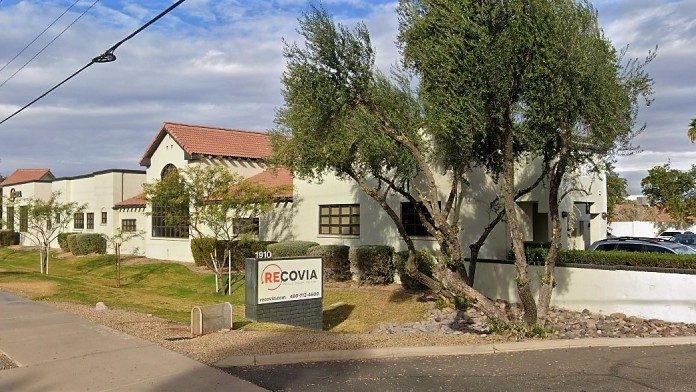
About Recovia Tempe
Tempe, Arizona is home to Recovia, an addiction treatment center that treats substance use and chronic pain together. Everything there is outpatient, so you keep living at home and going in for visits, and the program is for adults and young adults. A behavioral health specialist, a physical therapist and a medical practitioner are part of each visit, so the pain and the substance use get looked at in the same appointment.
Paying for Rehab in Tempe
Recovia is in network with almost every plan sold in Arizona. That includes Medicaid, Medicare and TRICARE, the military health plan. For most people the plan question comes first, since what you owe depends on whether a center is in network.
And if you don’t have coverage, flexible cash pay plans are another way in, so you can pay the center directly instead of going through an insurer.
Detox and tapering happen here on an outpatient basis, with medication for opioids, alcohol and benzodiazepines. Recovia also offers virtual care to anyone living in Arizona, which is handy if the drive to Tempe is a long one.
Amenities
Art and music are mediums that connect with our feelings, making them a great recovery tool during addiction treatment. Studies show that combining art/music and drug rehab can have a greater therapeutic impact than drug rehab alone, as you’re able to access parts of your brain and body that you may not have access to during traditional talk therapy. Benefits of art/music therapy include lowering stress and anxiety, promoting healthy neurochemicals, and providing stress relief.
When paired with cognitive-behavioral therapy, exercise can be an effective tool for overcoming addiction. Drug rehabs with a gym offer clients healthy ways to increase energy levels, balance the body’s stress hormone levels, and aid in the brain’s healing process.
Treatment centers with a yoga studio offer a special form of holistic therapy during the recovery process. Yoga boosts mindfulness, a sense of calm, and healthy reflection during drug rehab via breathing exercises, stretching, and a progression of specific postures.
Yoga and meditation are great activities to support your recovery process during alcohol or drug rehab. These therapies have been around for centuries, and they are an effective way to improve well-being. Combining addiction treatment, yoga, and meditation can reduce cravings, improve sleep, relieve anxiety and depression, provide stress relief, promote relaxation, support emotional healing, and improve energy levels.
In order to maintain a sense of autonomy, many private rehab facilities offer clients the ability to choose their own private rooms. The privacy and personal space ensure that the recovery process is as comfortable as possible.
Addiction treatment in the metro area benefits clients by offering seamless connections from the city, around the state, and those seeking out-of-state treatment. Another benefit of attending a metro area drug rehab is that you’re close to major airports and ground transportation services.
Business centers are a preferred amenity in many mental health and addiction recovery facilities and typically feature secure, high-speed internet, computer stations, printers, and related business technologies. Business centers are designed to enable professionals and students to continue to participate in work or school activities without leaving the treatment facility.
Addiction Treatment Programs
When individuals choose a young adult program in Arizona, they receive multidisciplinary care that addresses all aspects of their lives. Treatment focuses on physical, social, educational, and emotional needs, encompassing both addiction and dual diagnosis treatment.
A rehab adult program in Arizona provides treatment for addiction. Adults (age 18+) participate in various therapies that are designed to break the cycle of substance abuse and teach new coping skills so the individual can maintain a healthy, sober lifestyle.
Men and women often respond differently to addiction and addiction treatment. Men’s rehab in Arizona addresses these differences to provide the most effective recovery treatment for men.
Women’s experiences with addiction can differ greatly from men’s. Women’s rehab in Arizona addresses these differences and provides gender-specific treatment targeted to meet women’s needs.
Specialized treatment for older adults is available through elderly rehab in Arizona. These programs offer a full continuum of care that addresses the specific needs of senior adults.
Cognitive behavioral therapy in Arizona teaches individuals in addiction treatment to connect their feelings, thoughts, and actions to discover how these impact their recovery. This treatment method is frequently used for the treatment of substance use disorders and co-occurring disorders.
EMDR Therapy is a neurobiological treatment modality used to address trauma disorders and related mental and behavioral health challenges. Short for eye movement desensitization and reprocessing, EMDR is designed to help clients cope with distressing memories and emotions, including fear, sadness, and anger. EMDR may help clients in addiction recovery manage the psychological and emotional triggers that contribute to substance misuse and/or addiction relapse.
For opioids, suboxone inductions and maintenance handle detox or tapers, and naltrexone or Vivitrol may also be used to maintain sobriety.
Drug rehab in Arizona is the process of treating individuals who are dependent on a particular addictive drug. Because addiction is complex, this treatment typically includes a variety of interventions that address the many issues involved.
Alcohol is handled with medications like naltrexone, Vivitrol, acamprosate and antabuse, and outpatient detox is also available.
Levels of Care
Outpatient rehab in Arizona often serves as a transition from inpatient treatment to aftercare programs. It is suitable for those who are coping well in recovery but still need a high level of accountability from counselors and peers.
Detox here runs as an outpatient taper for opiates, benzos, alcohol and amphetamines, with the medical team managing needs and goals along the way. Suboxone inductions and maintenance cover the opiate part.
If you are struggling with both addiction and mental illness, you need Arizona dual diagnosis treatment. Because one condition can aggravate the other, this integrated method treats both at the same time, for better recovery results.
Instead of staying at a drug rehab center in Arizona round-the-clock, partial hospitalization programs (PHPs) are a type of outpatient treatment that allows you to return home at night. PHPs involve many of the same treatment methods used in inpatient settings.
Intervention services in Arizona are designed to encourage a loved one to get the treatment they need. Services include professional assistance with staging an intervention, development of a treatment program, and guidance with selection of and admittance to drug rehab in Arizona.
Contact Information


 1910 E Southern Ave
Tempe, AZ 85282 Sponsored
Chika Uchendu has over a decade of experience crafting engaging, authoritative and results-driven content across diverse industries. His expertise spans personal finance & investing, emerging technology and health & wellness. He has a knack for distilling complex topics into compelling narratives that captivate readers and drive engagement.
As substance use disorder has become a national emergency, Chika has decided to lend his voice in this space. He uses his expertise to raise awareness, foster meaningful discussions and provide actionable insights that empower individuals on their path to healing. When he’s not creating content, Chika enjoys sports, hiking and outdoor adventure.
Peter W.Y. Lee is a historian specializing in American Cold War history. He has published widely on youth culture and the social impact of popular culture throughout the twentieth century and how the public has approached culture as a means of coping with the challenges that accompany changing times.
Rehabs.org regularly reviews this listing for accuracy but changes may occur between updates. For the most up-to-date information, please contact Recovia Tempe.
Nearby Treatment Centers




FAQs
Does Recovia take AHCCCS and Medicare?
Yes, both. Almost all plans offered in Arizona are in network, which covers commercial coverage, AHCCCS, Medicare and workers’ compensation. TRICARE TriWest is accepted too, and there are flexible cash pay plans for anyone paying without insurance.
What kind of program is Recovia Tempe?
It’s an intensive outpatient program, and it’s built around chronic pain recovery when substance use is involved. Care is multidisciplinary, with medication support for detox and tapers. Recovia Virtual Care reaches anyone living in Arizona.
What therapies are part of the program?
Cognitive behavioral therapy and art therapy are both used. Every program also connects mental health counseling, physical therapy and medical support, so the therapy side runs alongside the physical side.
Who is on the team at each visit?
A licensed behavioral health specialist is in every visit (credentials include Psy-D, LCSW, LPC and LAC), along with physical therapists and a medical practitioner such as a nurse practitioner or physician assistant.
