Recovery Outfitters – Closed
Closed: Please See Nearby Facilities
Cumming, Georgia
 Sponsored
About Recovery Outfitters – Closed
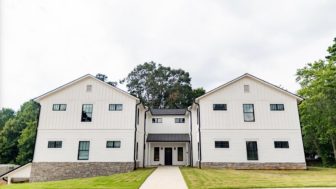
Now closed, Recovery Outfitters in Cumming, Georgia provided addiction treatment services to teen boys and young men aged 15 to 18 years. Court referred clients were accepted, along with individuals struggling with trauma and abuse. Various private insurance plans were accepted to pay for services. Self-pay was also an option.
Residential Drug Rehab Services For Teen Boys & Young Men
Inpatient programming was provided here, offering a structured and peaceful environment for individuals needing more intensive care. The program included medically assisted detox services using medications like buprenorphine and naltrexone to prevent clients from relapsing, and help them manage withdrawal symptoms and cravings.
I like that residents could also benefit from recreational therapies and activities like wilderness therapy, hiking and various sports to help promote mental and physical wellbeing. Art therapy was also featured, allowing residents to connect with their creative side and express their emotions in a different way, processing difficult experiences. Sober living homes were available for individuals transitioning from inpatient care who needed extra support in maintaining their sobriety and preparing for the next stage of their recovery journey.
Educational Services and Aftercare
Following inpatient care, clients could also access outpatient support here. Outpatient was ideal for clients who valued flexibility.
For younger clients, the center provided access to an accredited high school known as Avner Bush Academy. Through this collaboration, teens could continue their education alongside their recovery.
Aftercare services were also provided to help clients navigate independent sober living post recovery. I like that the facility was conveniently located less than an hour outside of Atlanta.
Amenities
Recreational therapy uniquely combines therapeutic interventions with an activity, like horse-riding, hiking, wilderness therapy, basketball, tennis, or a full workout. Benefits of recreational therapy include providing a healthy way to work through the emotions of recovery, learning to build and maintain relationships, improving communication skills, and building self-esteem.
Art and music are mediums that connect with our feelings, making them a great recovery tool during addiction treatment. Studies show that combining art/music and drug rehab can have a greater therapeutic impact than drug rehab alone, as you’re able to access parts of your brain and body that you may not have access to during traditional talk therapy. Benefits of art/music therapy include lowering stress and anxiety, promoting healthy neurochemicals, and providing stress relief.
Addiction treatment programs provide an opportunity to get your life back on track with access to school classes or college courses. Whether you want to finish your GED or go back to school to learn a new trade, facilities often enlist tutors and teachers who are certified or licensed by the state to oversee self-study or distance-learning education.
Yoga and meditation are great activities to support your recovery process during alcohol or drug rehab. These therapies have been around for centuries, and they are an effective way to improve well-being. Combining addiction treatment, yoga, and meditation can reduce cravings, improve sleep, relieve anxiety and depression, provide stress relief, promote relaxation, support emotional healing, and improve energy levels.
Private drug rehab provides a comfortable, secure environment that allows you to focus on doing the work to get your life back on track. Benefits include a higher staff-to-client ratio, increased one-on-one time with therapists and healthcare providers, private rooms for clients, and customized forms of therapy.
Wilderness rehab programs offer all the benefits of a traditional drug rehab, but with the added benefits of outdoor adventure. Venture out into the forest to learn new skills, explore the beauty of nature, and relieve stress. Engaging in wilderness activities is a great way to gain self-discovery and release negative emotions.
Addiction Treatment Programs
A quality drug rehab in Georgia can help you overcome addiction. This environment is designed to help you address the complex issues contributing to drug dependence. The goal of treatment is to give you the tools you need to make a full recovery.
Rational emotive behavioral therapy in Georgia is used to treat substance use disorders as well as co-occurring disorders such as anxiety, depression, phobias, and obsessive-compulsive behavior. Treatment involves identifying and disrupting irrational beliefs to alter behavior.
The goal of alcohol rehab in Georgia is recovery. This is a process that helps individuals achieve remission from alcohol use disorder and refrain from unhealthy drinking habits. Treatment typically includes one-on-one and group therapy sessions.
Negative thought patterns can lead to substance abuse as a way to self-medicate. During cognitive behavioral therapy in Georgia, individuals learn how to identify and stop these negative patterns and manage them in healthy ways that don’t involve substances.
By offering men’s rehab in Georgia, addiction treatment centers provide an outlet for men to build bonds with other men who are facing similar challenges. The relationships formed can help men reduce their risk of relapse.
When you attend opioid rehab in Georgia, you’ll find a safe and comfortable atmosphere that allows you to navigate a path to a healthier life. Choose from inpatient or outpatient programs that surround you with support and give you the tools you need for sobriety.
A young adult program in Georgia focuses on the motivations, challenges, and needs of this stage of life. Participants receive treatment tailored to this age bracket.
Levels of Care
Upon entering an inpatient rehab in Georgia, you will reside at the treatment center for the duration of your program. While there, you'll participate in individual, group, and family therapy sessions, and you may receive medication and additional holistic therapies.
Georgia aftercare rehab helps you navigate sober living after treatment. As you re-enter life, you’ll have support to help you face challenges and avoid relapse. Most people need aftercare for several months, and it’s common to remain in aftercare for a year or more.
Both substance abuse and mental health disorders cause brain imbalances, so they often feed off each other. Treatment for dual diagnosis in Georgia provides access to addiction and mental health specialists, to effectively treat both conditions at once.
Drug rehab in Georgia often starts with intervention services. Staff intervention specialists serve as a valuable point of contact for family members, helping with the planning and execution of interventions and following up with key resources and guidance on getting someone on the right path to recovery.
Sober living in Georgia provides a drug-free environment where you can learn to live a sober lifestyle. You’ll receive peer support while taking on responsibilities for household bills and chores and adhering to strict house rules. This structured setting can be helpful during your first few months after rehab treatment.