
Recovery Centers of America at St Charles
41W400 Silver Glen Rd
Saint Charles, IL 60175
 Sponsored
About Recovery Centers of America at St Charles
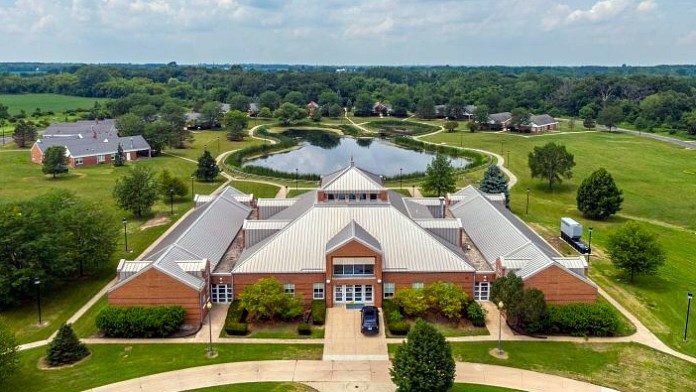
Located in Saint Charles, Illinois, is Recovery Centers of America. If you're struggling with a drug, alcohol, or substance use disorder, you'll find compassionate care here. Treatment is offered in residential and outpatient (OP) treatment programs. The outpatient program is available both in person and through teletherapy. You'll also have access to detox and medication assisted therapy (MAT).
They accept policies from most major insurance providers. They also offer insurance free payment plans.
The care here is rooted in evidence based therapies that are designed to help you succeed. Depending on your struggles, you may start your treatment with detox. Detox happens under the supervision of trained and experienced medical professionals and staff members. After detox, medication assisted treatment can help you manage ongoing withdrawal symptoms. It'll also help you manage cravings that will arise during the recovery process.
Individual and group counseling along with nutritional coaching and recreational activities will help you build healthy habits. Therapies include dialectical behavioral therapy (DBT) and psychiatric care. You’ll also be supported via 12 Step programs.
The residential treatment program boasts comfortable cottages with semi-private bedrooms that feature bathrooms, TVs, and full-size beds. You’ll also have access to other comfort amenities such as a modern gym and wellness center along with nutritious meals curated by the dining staff.
As you progress and complete the program, you can join their active alumni association. This association regularly offers active recovery meetings and activities. With this alumni program, you can continue the momentum that you've gained during and after your treatment program.
Amenities
Residential drug rehab provides the comforts of home with the therapeutic support needed to successfully recover. Benefits of an inpatient program include increased safety, a higher success rate, and the time and distance given to focus on recovery. Residential drug rehabs are often the preferred method of treatment, as they can be tailored to meet specific needs, offer focused therapeutic care, and provide the necessary tools to sustain recovery.
Recreational therapy uniquely combines therapeutic interventions with an activity, like horse-riding, hiking, wilderness therapy, basketball, tennis, or a full workout. Benefits of recreational therapy include providing a healthy way to work through the emotions of recovery, learning to build and maintain relationships, improving communication skills, and building self-esteem.
Art and music are mediums that connect with our feelings, making them a great recovery tool during addiction treatment. Studies show that combining art/music and drug rehab can have a greater therapeutic impact than drug rehab alone, as you’re able to access parts of your brain and body that you may not have access to during traditional talk therapy. Benefits of art/music therapy include lowering stress and anxiety, promoting healthy neurochemicals, and providing stress relief.
When paired with cognitive-behavioral therapy, exercise can be an effective tool for overcoming addiction. Drug rehabs with a gym offer clients healthy ways to increase energy levels, balance the body’s stress hormone levels, and aid in the brain’s healing process.
In order to maintain a sense of autonomy, many private rehab facilities offer clients the ability to choose their own private rooms. The privacy and personal space ensure that the recovery process is as comfortable as possible.
When used as part of an evidence-based treatment plan, basketball can boost physical and mental health, lead to sharper thinking, and facilitate improved self-esteem. Drug rehabs with a basketball court also place a focus on teamwork and cooperation.
Addiction Treatment Programs
Individuals who are struggling with addiction to drugs or alcohol can get support at an adult program in Illinois. Designed for men and women over the age of 18, these programs offer rehabilitation treatment and recovery services.
Each alcohol rehab in Illinois is unique, but most include three basic aspects of treatment: medical detox, psychotherapy, and medication. Through these methods, participants receive treatment for the physical, mental, and emotional aspects of alcohol use disorder.
Men’s rehab in Illinois typically includes individual, group, and family therapies. Group sessions are conducted with men only, which encourages greater vulnerability and sharing opportunities among participants.
Women who have substance use disorders are more likely than men to have co-occurring mental health disorders. Women’s rehab in Illinois often provides treatment for dual diagnosis, so women can get help for their addiction and disorders such as anxiety or depression.
Drug rehab in Illinois is designed to help men and women recover from drug addiction. The length of the program and its intensity vary, based on the individual’s needs. It’s important to find the right program to suit your unique situation and challenges.
In Illinois, cognitive behavioral therapy is an effective method for addiction treatment. It teaches effective communication skills, provides tools to help people improve mood, and empowers participants to dismiss insecurities that can lead to substance abuse.
Sound & Music Therapy are complementary treatment modalities frequently used in addiction recovery to support clients’ physical, mental, and emotional wellbeing through the use of auditory stimuli, from nature sounds and Tibetan singing bowls to drum circles and rhythmic melodies. The treatment is believed to reduce symptoms of anxiety and depression and may offer relief for those experiencing chronic pain, which can decrease clients’ risk of addiction relapse.
Levels of Care
Outpatient rehab in Illinois may be brief or long-term, depending on the individual. During this time, you will maintain membership in a support group as well as attend one-on-one counseling sessions. The focus is ongoing development of life skills that will prevent relapse.
An Illinois dual diagnosis program treats both your mental health and recovery needs. Psychiatrists and addiction specialists work together to address co-occurring disorders, such as depression, anxiety, or ADHD.
Aftercare rehab in Illinois lowers the chance of relapse. This program offers support to help you face challenges after you successfully complete rehab. By providing guidance, accountability, and assistance with basic life skills, aftercare gives you confidence to navigate temptations and maintain sobriety.
Inpatient rehab in Illinois features intensive clinical supervision and a highly structured and supportive environment, meaning this level of care is especially well suited for clients just beginning their recovery journey and those at risk of relapse.
The first step toward a drug-free future is typically detox. This initial phase of drug rehab in Illinois can last up to a week. During this time, addictive substances are slowly and safely cleansed from your body.
In many cases, drug rehab in Illinois begins with intervention. Professional intervention services are available to help you facilitate an intervention, develop a treatment plan, and choose the program that best suits your loved one’s needs.
Accreditations
Contact Information


 41W400 Silver Glen Rd
Saint Charles, IL 60175 Sponsored
41W400 Silver Glen Rd
Saint Charles, IL 60175 Sponsored
Nearby Treatment Centers
210 South 5th Street
Suite 10
Saint Charles, IL 60174
1024 W Main St
St. Charles, IL 60174
964 North 5th Avenue
Saint Charles, IL 60174

41W400 Silver Glen Rd
Saint Charles, IL 60175
