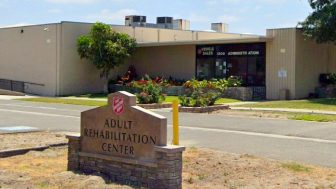
Recovery Beach Addiction Treatment Center Garden Grove, Orange County
13222 Chapman Avenue
Garden Grove, CA 92840
 Sponsored

About Recovery Beach Addiction Treatment Center Garden Grove, Orange County
Recovery Beach in Garden Grove, California, offers inpatient and outpatient substance use treatment. Unlike modern institutional style settings, the center has apartments that house two clients each. I noticed that clients get to enjoy a balcony, a shared living room, a full sized bed, in-room televisions and a private bathroom.
The center is certified by LegitScript and The Joint Commission. They are recognized by DHCS, the department of health and human services and NAMI. Medicare, Medi-Cal and other insurance plans are accepted.
Medically Assisted Detox
The facility consists of 33 beds which creates a larger peer group for clients. You will complete a ten day medically assisted detox while being monitored closely by physicians and nurses. After detox, you will transfer into the twenty day residential treatment program.
Residential Treatment in Garden Grove
Each client receives individual therapy using cognitive behavioral therapy and dialectical behavioral therapy. Clients attend psychoeducation process groups where peers learn about relapse prevention, follow the 12 step methods and receive trauma informed therapy.
Clients can feel comfortable speaking with others who have had similar experiences as theirs. The staff is a diversified group including formerly incarcerated recovering specialists. An executive chef will ensure that you receive delicious and nutritious meals.
The facility offers meditation, yoga, and art therapy to give clients a therapeutic way to recover outside of counseling. Additional holistic therapies that I noticed include bath therapy, massage therapy and music programs. Integrated care is available for those who are diagnosed with co-occurring mental health disorders.
Amenities
Private drug rehab provides a comfortable, secure environment that allows you to focus on doing the work to get your life back on track. Benefits include a higher staff-to-client ratio, increased one-on-one time with therapists and healthcare providers, private rooms for clients, and customized forms of therapy.
Residential drug rehab provides the comforts of home with the therapeutic support needed to successfully recover. Benefits of an inpatient program include increased safety, a higher success rate, and the time and distance given to focus on recovery. Residential drug rehabs are often the preferred method of treatment, as they can be tailored to meet specific needs, offer focused therapeutic care, and provide the necessary tools to sustain recovery.
Recreational therapy uniquely combines therapeutic interventions with an activity, like horse-riding, hiking, wilderness therapy, basketball, tennis, or a full workout. Benefits of recreational therapy include providing a healthy way to work through the emotions of recovery, learning to build and maintain relationships, improving communication skills, and building self-esteem.
Art and music are mediums that connect with our feelings, making them a great recovery tool during addiction treatment. Studies show that combining art/music and drug rehab can have a greater therapeutic impact than drug rehab alone, as you’re able to access parts of your brain and body that you may not have access to during traditional talk therapy. Benefits of art/music therapy include lowering stress and anxiety, promoting healthy neurochemicals, and providing stress relief.
Treatment centers with a yoga studio offer a special form of holistic therapy during the recovery process. Yoga boosts mindfulness, a sense of calm, and healthy reflection during drug rehab via breathing exercises, stretching, and a progression of specific postures.
Music can be extremely therapeutic, serving as a valuable healing tool and an integrative feature of a holistic treatment plan. A music room offers a large number of outlets, including singing, playing musical instruments, and listening to music.
The massage room offers a wealth of benefits as part of an overall evidence-based drug and alcohol recovery program. Massage therapy boosts blood flow and flushes lactic acid from the muscles, and the vascular benefits last several days after the massage.
There’s nothing more distressing than leaving pets at home when leaving for for rehab. That’s why many addiction treatment programs are now pet friendly, allowing you to bring pets with you while attending a residential drug rehab program. These tailored addiction treatment programs provide a private room that has space to comfortably support you and your beloved furry companion.
Addiction Treatment Programs
Typically, a young adult program in California can guide individuals from detox, through initial treatment, and extends to aftercare. Treatment gives young adults what they need to reset their lives and move to the next stage of life free from addiction.
An adult program in California uses various therapeutic methods to treat a person who is dependent on an addictive substance. Individuals aged 18 and older are eligible for treatment, which focuses on breaking the cycle of addiction and learning how to maintain sober living.
Alcohol rehab in California provides professional treatment to guide participants through each step of recovery. Programs offer a support system to walk you through challenges and celebrate victories with you, from detox to long-term sobriety.
Gender-specific addiction treatment programs may be more effective in treating men because they focus on unique needs of males. Men’s rehab in California is designed to help men process emotions and cope with stress in a judgment-free environment.
Women’s rehab in California provides a safe environment where women can work through addiction challenges surrounded by their gender peers. This often creates an environment that is more conducive to recovery.
For those who are struggling with opioid use disorder, help is available at opioid rehab in California. This complex addiction can be treated through a combination of evidence-based therapies and medication assisted treatment.
Drug rehab in California teaches participants constructive ways to stay clean and sober. Treatment revolves around helping individuals stop using the substance they are addicted to and learn healthy habits to avoid relapse.
The incidence of substance abuse and addiction is higher among the LBGTQ community. That’s why LBGTQ-friendly rehab in California is available, to offer specialized treatment that addresses the unique needs of individuals in this demographic.
Sound & Music Therapy are complementary treatment modalities frequently used in addiction recovery to support clients’ physical, mental, and emotional wellbeing through the use of auditory stimuli, from nature sounds and Tibetan singing bowls to drum circles and rhythmic melodies. The treatment is believed to reduce symptoms of anxiety and depression and may offer relief for those experiencing chronic pain, which can decrease clients’ risk of addiction relapse.
Levels of Care
When you choose outpatient rehab in California, you will meet with a counselor and attend support group meetings. The focus will be on restructuring attitudes and thoughts to reduce cravings and develop skills to prevent relapse. The length of time in outpatient rehab varies by individual, based on their recovery needs.
When you have a co-occurring disorder, it is essential to treat both your addiction and the mental health disorder. California dual diagnosis treatment provides this type of multidisciplinary approach, for improved recovery outcomes.
Unlike outpatient drug rehab, clients receiving inpatient rehab in California reside at the facility for the duration of the program. The length of stay may range from two weeks to 18 months or more, depending on the client's needs and the program’s design.
When you enter drug rehab in California, detox is the first step towards becoming drug-free. The detox process includes 24/7 monitoring and medical care and may include the use of medications to ease withdrawal symptoms.
Partial hospitalization programs (PHPs) are a type of outpatient treatment program that often utilize many of the same treatment methods used for inpatient care. The difference being that you only visit the drug rehab in California during treatment times, then you can return home.
Accreditations
Accepted Insurance








Contact Information


 Sponsored