Raise the Bottom Addiction Treatment
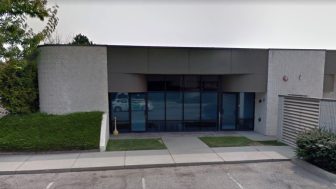
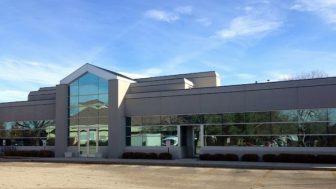
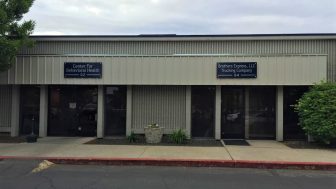
9196 West Barnes Drive
Boise, ID 83709
 Sponsored
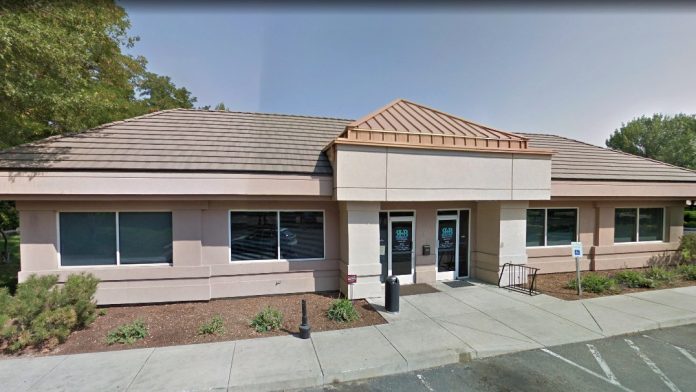
About Raise the Bottom Addiction Treatment
Raise the Bottom Addiction Treatment in Boise, Idaho offers alcohol and drug rehab services to men and women on an outpatient basis. They specialize in medication assisted treatment. The medication assisted treatment program requires all clients to engage in mental health treatment in conjunction with their FDA approved medications. This allows clients to be treated physically, mentally, and emotionally.
Raise the Bottom Addiction Treatment provides individual therapy, group therapy, family therapy, psychiatric care, and nursing care. Individuals will partake in conversations related to grief and loss, relationships, relapse prevention, trauma, life skills, recovery skills, communication skills, anger management, and triggers. Raise the bottom addiction treatment provides clients with the flexibility to help create autonomy and self esteem within their treatment plan overseen by a physician. They accept most major medical insurance plans and also accept private pay. A sliding scale fee plan is available to individuals who need financial assistance.
Addiction Treatment Programs
A young adult program in Idaho helps individuals develop healthy coping skills. Treatment addresses the challenges faced at this stage of life and gives participants the recovery tools they need to navigate through it successfully.
When individuals enter an adult program in Idaho, they receive professional treatment for substance use disorder. The focus of the program is to help the individual break free from addiction and learn how to maintain a sober lifestyle.
Alcohol rehab in Idaho typically includes medical detox, psychotherapy, and medication. Programs can be short or long-term, but longer treatment typically provides better outcomes.
During men’s rehab in Idaho, all treatment sessions are conducted with same-gender individuals. This encourages greater participation and openness among the men. Therapies typically include both individual and group sessions.
Women need different types of treatment approaches for addiction than men. Women’s rehab in Idaho offers gender-specific treatment, so women can achieve successful recovery.
Those who are struggling with opioid use disorder can find help to recover by entering an opioid rehab in Idaho. Treatment programs offer detox, inpatient and outpatient rehab, counseling, family therapy, and medication assisted treatment.
Cognitive behavioral therapy in Idaho helps individuals overcome addiction by giving them self-help tools to improve their moods, teaching them communication skills, and helping them release insecurities that lead to substance use.
Drug rehab in Idaho provides treatment for addiction to drugs. It usually includes a combination of treatment methods that involve counseling, medication, and a variety of evidence-based therapies. These are designed to help individuals manage their substance use disorder long-term.
Levels of Care
Outpatient rehab in Idaho involves attending one-on-one counseling sessions several times per week, as well as support group meetings. You’ll live at home during this treatment, and work on relapse prevention. The timeline for this treatment varies by individual, based on your recovery needs.
If a mental health disorder such as anxiety or depression is co-occurring with substance abuse, you are more likely to relapse or self-medicate. Idaho dual diagnosis treatment provides the resources you need to treat both conditions and improve recovery outcomes.
Detox in Idaho includes round-the-clock supervision by professional staff, while all toxic substances are cleansed from your body. You may receive medications to ease withdrawal symptoms during this initial stage of drug rehab in Idaho.
You don’t have to know everything about interventions to help your loved one. Staff members who provide intervention services in Idaho help family members during the planning and execution stages of an intervention. They can also help you effectively encourage an addicted loved one to embrace recovery.
Contact Information


 Sponsored