
Quinco Community Mental Health Centers
10710 Old Highway 64
Bolivar, TN 38008
 Sponsored
About Quinco Community Mental Health Centers
Quinco Community Mental Health Centers is a network of several outpatient behavioral treatment facilities. The company has a location in Bolivar, Tennessee. They treat people for many different kinds of mental health issues, including substance use disorder (SUD).
Here, they serve patients of all ages. Private insurance is accepted, and so is self-pay. If you do not have insurance, they may be able to help you find a grant. No one is ever denied treatment because they can't pay.
How to Get Started
You can start the application process by making a phone call to the facility. You will fill out paperwork,recieve a referral to a provider, and have your first appointment.
What Treatment is Like
All clients are treated with group and individual therapy. If you have a mental illness in addition to SUD, you will have group sessions that focus specifically on that condition, such as anxiety or depression.
They offer care coordination services in which medical and mental health providers will keep in contact with each other to discuss your progress and treatment. I find it helpful that a care coordinator can help you find transitional housing and vocational training.
24-Hour Crisis Service
The company has a 24-hour a day crisis line for both mental health and substance use issues. They can give you a crisis assessment and refer you to an inpatient facility if it is necessary.
Peer Support Centers
One of the things I like best about this place is the peer services that it offers. I think having sober social activities is very important to a person's recovery. They offer recreational activities to clients as well as providing 12-step meetings and family days.
Amenities
Private drug rehab provides a comfortable, secure environment that allows you to focus on doing the work to get your life back on track. Benefits include a higher staff-to-client ratio, increased one-on-one time with therapists and healthcare providers, private rooms for clients, and customized forms of therapy.
Recreational therapy uniquely combines therapeutic interventions with an activity, like horse-riding, hiking, wilderness therapy, basketball, tennis, or a full workout. Benefits of recreational therapy include providing a healthy way to work through the emotions of recovery, learning to build and maintain relationships, improving communication skills, and building self-esteem.
Residential drug rehab provides the comforts of home with the therapeutic support needed to successfully recover. Benefits of an inpatient program include increased safety, a higher success rate, and the time and distance given to focus on recovery. Residential drug rehabs are often the preferred method of treatment, as they can be tailored to meet specific needs, offer focused therapeutic care, and provide the necessary tools to sustain recovery.
Addiction Treatment Programs
A young adult program in Tennessee helps participants overcome the effects of substance use on the developing brain. Participants build positive peer relationships, learn how to manage stress without drugs or alcohol, and develop tools for resolving trauma and setting boundaries.
An adult program in Tennessee helps individuals reclaim their lives from addiction. Through various treatment methods, adults learn how to end their dependence on substances and live a drug-free lifestyle.
An alcohol rehab in Tennessee provides treatment to break free from alcohol addiction. Methods typically combine counseling, group support, and behavioral therapy, with alcohol abstinence and long-term sobriety as the goals.
Men’s rehab in Tennessee addresses the different life experiences and genetic factors that shape how men are affected by addiction. By doing so, this type of treatment can be most effective for men who are struggling with substance use.
The main goal of women’s rehab in Tennessee is to provide a comfortable setting where women can focus on recovery. This environment helps women in treatment nurture their body, mind, and spirit without distractions.
Therapists and clients work collaboratively during cognitive behavioral therapy in Tennessee to develop strategies for problem solving and changing behaviors. This solution-based therapy helps change thinking and behavior patterns that lead to addiction.
Drug rehab in Tennessee prepares you to start life anew with the right tools to maintain sobriety. You’ll learn how to manage stress, adopt healthy lifestyle habits, and prevent relapse. This is typically accomplished through counseling, medication, and evidence-based therapies.
An elderly rehab in Tennessee is adapted to the physical, emotional, and mental needs of seniors. Treatment is customized for the individual, with a focus on intervention, treatment, and relapse prevention.
Levels of Care
Those who are coping well with reentry into society while sober are good candidates for outpatient rehab in Tennessee. This program involves attending multiple on-site sessions per week to provide accountability and support. Treatment lasts as long as you need it to, as it's based on your recovery progression.
If you choose inpatient drug rehab in Tennessee, you live at the facility while receiving treatment. You’ll have 24/7 supervised clincial care while also receiving group and individual counseling and other forms of therapy.
Substance abuse disorders are often accompanied by mental health issues such as depression, bipolar disorder, or ADHD. In these cases, dual diagnosis treatment in Tennessee offers integrated treatment to effectively treat both co-occurring disorders.
Intervention services in Tennessee are available for family members who need support as they try to guide a loved one toward wise choices. To get loved ones the help they need, intervention specialists offer facilitation of interventions, access to valuable resources, and guidance in choosing the best treatment plan.
Sober living in Tennessee provides a structured environment with strict substance use policies that can help you learn to live a sober lifestyle. This intermediate step often helps people successfully transition from rehab treatment to independent living. An average stay is five to eight months.
Accreditations
Accepted Insurance

Contact Information


 Sponsored
Nearby Treatment Centers
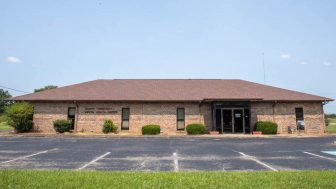
925 East Main Street
Henderson, TN 38340
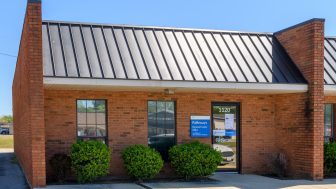
1120 Tammbell Street
Brownsville, TN 38012

1800 S Rutherford Blvd
#103
Murfreesboro, TN 37130
213 Lake View Drive
Somerville, TN 38068
