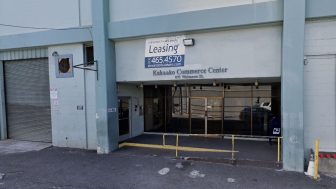
Outpatient Behavioral Health Services – The Queen’s Medical Center
1374 Nuuanu Ave
Kaheiheimalie Building
Honolulu, HI 96817
 Sponsored
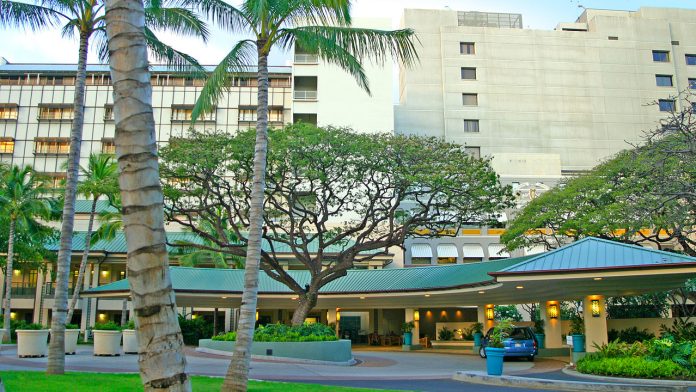
About Outpatient Behavioral Health Services – The Queen’s Medical Center
The Queen's Medical Center Behavioral Health Psychiatry provides hospital based outpatient mental health and addiction services in the Kaheiheimālie Building in Honolulu, Hawaii.
The program offers counseling, psychiatric evaluation and medication management, and structured day treatment services including a dual diagnosis intensive outpatient program for adults and youth facing co-occurring mental health and substance use concerns.
Queen's Behavioral Health combines medical expertise with compassionate, skills focused care to help clients stabilize crises, build coping tools and sustain recovery in their community.
Dual Diagnosis Treatment
The day treatment program is designed for adults who are psychiatrically ill, chemically addicted or dually diagnosed offering structured classes and therapy to address substance abuse, anxiety and depression, psychosis and thought disorders.
The dual diagnosis IOP provides intensive support while allowing clients to remain at home, emphasizing both stabilization and relapse prevention.
I think it's noteworthy how client testimonials highlight the program's sincere counseling approach. They report that treatment was educational and helpful for learning coping strategies and understanding triggers. Sessions focus on skill building, addressing underlying issues and creating practical plans for managing both mental health and addiction in daily life.
Specialized Skills
I think it's important to add that Queen's Behavioral Health offers a dialectical behavior therapy program and an anger management course as part of its outpatient services. These evidence based, skills focused programs support emotional regulation, distress tolerance and healthy communication for individuals in recovery or managing mental health challenges.
Access and Getting Started
Services are available Monday through Friday from 8:00am to 4:30pm at the Kaheiheimālie Building on Nuuanu Avenue in Honolulu, with limited evening appointments and telehealth options for counseling. The team is made up of psychiatrists and nurses, social workers and marriage and family therapists all working to support you.
Queen's accepts Medicare, Medicaid and private insurance plans.
Amenities
Private drug rehab provides a comfortable, secure environment that allows you to focus on doing the work to get your life back on track. Benefits include a higher staff-to-client ratio, increased one-on-one time with therapists and healthcare providers, private rooms for clients, and customized forms of therapy.
Residential drug rehab provides the comforts of home with the therapeutic support needed to successfully recover. Benefits of an inpatient program include increased safety, a higher success rate, and the time and distance given to focus on recovery. Residential drug rehabs are often the preferred method of treatment, as they can be tailored to meet specific needs, offer focused therapeutic care, and provide the necessary tools to sustain recovery.
In order to maintain a sense of autonomy, many private rehab facilities offer clients the ability to choose their own private rooms. The privacy and personal space ensure that the recovery process is as comfortable as possible.
Addiction Treatment Programs
A young adult program in Hawaii is important for addressing the needs of this stage of life. Young adults face different challenges and have different motivations for using substances than older adults, and a young adult rehab program addresses these unique needs.
Men and women over 18 who struggle with substance abuse can receive treatment through an adult program in Hawaii. Programs may include inpatient and/or outpatient care and typically include individual and group therapy methods.
Men’s rehab in Hawaii often reduces the risk of relapse and increases treatment completion rates by giving men the opportunity to create bonds with other men who have similar challenges. They feel comfortable sharing their struggles, and continue the supportive relationships after treatment.
Because women often abuse substances for different reasons than men, women’s rehab in Hawaii provides treatment that is targeted for women. Programs focus on specific trauma, stigma, bias, and gender-role issues that can affect substance use disorders among women.
Cognitive behavioral therapy in Hawaii teaches people positive behaviors to replace alcohol and drug use. They learn better ways to cope with negative thoughts and emotions and challenging situations.
Elderly rehab in Hawaii can provide a safe haven for older adults to seek addiction treatment. Programs include a supportive peer network and specialists who are knowledgeable about the challenges of addiction among seniors.
The backbone of rational emotive behavioral therapy in Hawaii is the ABC model. Therapists use this method to help individuals struggling with addiction alter their thinking and behavior. Individuals acknowledge the Activating event (trigger), evaluate their Beliefs (rational or irrational), and consider the Consequences (actions resulting from the beliefs about the event).
Assertive Community Treatment (ACT) is an integrative, community-based care strategy designed to address the needs of persons with severe and/or complex mental illness or behavioral disorders. ACT is typically provided by a multidisciplinary team of medical and mental health care providers, social workers, therapists, and other specialists, including addiction recovery professionals. These services are frequently provided in the home and community to clients in crisis, those who are clinically unstable, and those who are unable or unwilling to travel to a hospital or clinic for in-person treatment.
Levels of Care
During outpatient rehab in Hawaii, you will have more freedom and less oversight than with inpatient treatment. The goals will be to stay clean, demonstrate the ability to act responsibly, and show continual progress toward recovery. This will include attending therapy and support group sessions.
Often, substance abuse and mental health disorders are intricately linked. For successful recovery, Hawaii dual diagnosis treatment is necessary. This integrated approach provides crucial tools for improving both conditions and putting you on the path to recovery.
When you enter inpatient drug rehab in Hawaii, you’ll live at the facility until completion of the program. In this setting, you will typically participate in individual, group, and family therapy sessions, and you may receive medication and additional recreational and holistic therapies.
Hawaii sober living gives you the opportunity to solidify your sobriety before living completely independently. These residential settings offer drug-free environments with structured schedules. You’ll adhere to house rules, contribute to household chores, and attend 12-step meetings. The average stay in sober living is five to eight months.
Contact Information


 Sponsored