Quality Behavioral Health Outpatient and Medication Assisted Treatment
37490 Dequindre Road
Sterling Heights, MI 48310
 Sponsored
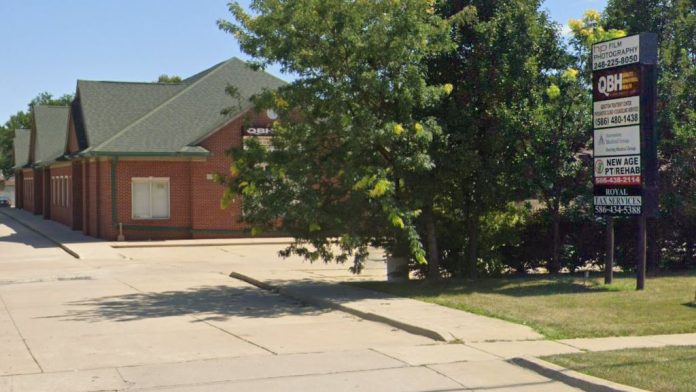
About Quality Behavioral Health Outpatient and Medication Assisted Treatment
At Quality Behavioral Health in Sterling Heights, Michigan, medication-assisted treatment (MAT) is offered to adults interested in maintaining wellness and substance use recovery. The outpatient MAT can help you address psychiatric and emotional issues alongside addiction concerns to ensure you can sustain your sobriety journey. At this center, you’ll learn to build resistance to substances by identifying triggers, developing and using natural supports and practicing self-care.
A Medication-Assisted Program That Focuses On Family Involvement
This center's MAT focuses on ensuring your family is a part of your sobriety journey. Additionally, at the Sterling Heights location, you’ll have access to a strong support network of sponsors, peer support specialists and family involvement in your treatment.
The center involves families because it believes the two necessary support systems for outpatient individuals are self-help engagement and family and community reintegration.
The center even goes so far as to recommend involvement in religious, recreational, and social organizations. With this in mind, you might want to visit a few local attractions and landmarks if you enroll at the center. I think some of the best spots to consider include Dodge Park with its recreational activities and green spaces and the Sterling Heights Community Center and Civic Center for social engagement.
Accessible FDA-Approved Medication-Assisted Outpatient Treatment
Should you decide to enroll for medication-assisted treatment at Quality Behavioral Health in Sterling Heights, I believe you should know that the center requires patients to undergo a therapy component alongside medication assistance.
What this means is that you will have to participate in group therapy and support groups like NA and AA while receiving treatment, as it can help facilitate long-term recovery and provide a positive social change to your life.
You might also benefit from knowing that the medications offered are FDA-approved and administered based on your needs, as determined by your treatment plan. The program is also accessible through service hours, which provide opportunities for evaluations and admittance.
Outreach and Criminal Justice System Access Pathways
Considering the family involvement the center encourages for its MAT, it shouldn’t be too surprising that it offers outreach and criminal justice system access pathways to give everyone a fair chance at assistance. Its outreach efforts aim to educate the community about the programs it provides to support addiction recovery and increase referral potential from welfare systems, employers, and criminal justice departments.
Amenities
Transportation services are designed to ensure your addiction treatment begins and ends successfully by offering free transportation to the rehab facility, to and from your appointments during rehab, and back home upon program completion.
Recreational therapy uniquely combines therapeutic interventions with an activity, like horse-riding, hiking, wilderness therapy, basketball, tennis, or a full workout. Benefits of recreational therapy include providing a healthy way to work through the emotions of recovery, learning to build and maintain relationships, improving communication skills, and building self-esteem.
Addiction Treatment Programs
During cognitive behavioral therapy in Michigan, participants do more than talk with their therapists. This is an engaging, hands-on approach that requires active participation. Individuals work with their therapist to change their thought and behavior patterns to overcome addiction.
A young adult program in Michigan specializes in treatment tailored to individuals in this stage of life who are suffering from substance use disorder. Treatment addresses addiction and the challenges related to young-adult life.
No single adult program in Michigan is right for everyone. That’s why each program is tailored to meet the needs of the individual. Common aspects to an adult rehab program include individual counseling, group therapy, and aftercare support.
Women’s rehab in Michigan offers a full continuum of care for women seeking treatment for addiction. Programs range from intensive inpatient care to aftercare services.
During men’s rehab in Michigan, individuals spend a significant amount of time in therapy. This gender-specific treatment gives men the tools they need to cope with stress and live without drugs and alcohol.
Women’s rehab in Michigan offers a full continuum of care for women seeking treatment for addiction. Programs range from intensive inpatient care to aftercare services.
The backbone of most alcohol rehab in Michigan is a combination of individual and group therapy methods. Through these sessions, individuals learn how to address issues contributing to addiction and develop healthy lifestyle habits.
Each opioid rehab in Michigan is unique, but most consist of several key steps: admission, detox, addiction therapy, specialized care, and aftercare. Professional staff evaluate each person’s needs to recommend treatment duration and specific therapies.
Drug rehab in Michigan typically involves several phases. Individuals start with assessment, then move through the stages of detox, rehab, and aftercare. These programs can last for one week to one year.
Levels of Care
When you enter drug rehab in Michigan, you’ll start with detox. This process includes round-the-clock supervision and medical care, to slowly and safely remove toxins from your system. It may include the use of medications to ease withdrawal.
Outpatient rehab in Michigan is tailored to each person’s recovery journey. This treatment usually involves several hours of therapy sessions each week, along with attendance at support group meetings. However, the timeline varies from a few weeks, to months, to years, based on your needs.
Aftercare rehab in Michigan helps you overcome hurdles after completing an addiction treatment program. You can receive assistance with finding a job, navigating legal issues, getting education, or plugging into a support group. These aftercare services unlock resources to help you continue to live a sober life.
A dual diagnosis treatment center in Michigan allows you to get treatment for substance abuse and mental health disorders at the same time. This is critical, because untreated mental health disorders often lead to relapse and poor recovery outcomes.
Intervention services in Michigan are often key to starting the recovery process. Intervention specialists provide support to encourage your loved one to get the help they need, provide access to educational and comjunity resources, and offer assistance with developing intervention and treatment plans.
Accreditations
Contact Information


 Sponsored