Together House
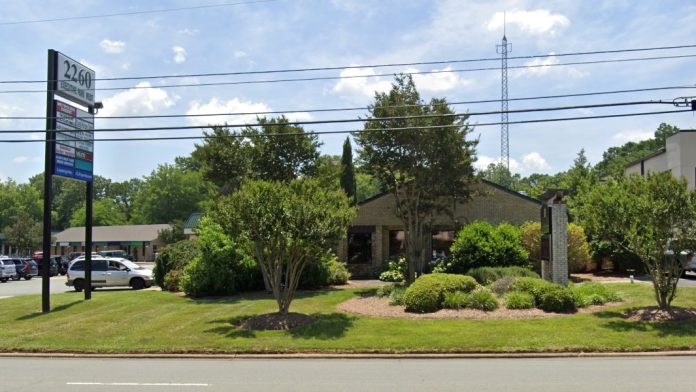
2260 S Church St
Suite 304
Burlington, NC 27217
 Sponsored
About Together House
Psychotherapeutic Services’ Together House is a rehabilitation program designed for adults ages 18 and up that provides substance use disorder treatment in Burlington, North Carolina. It offers a graduated range of services to help people overcome their addiction.
Together House is located near several beautiful green spaces including Burlington City Park, Alamance Battleground State Historic Site, Lake Mackintosh Park & Marina, which provide an immersive experience with natural beauty.
Graduated Recovery Care
Together House is a recovery center that offers a range of outpatient treatment solutions depending on the severity of your addictions. I like that you can choose between an intensive outpatient program (IOP) and a traditional outpatient program. In both programs, you can access behavioral therapy, trauma related counseling, brief intervention, and the 12 Steps.
I also appreciate that this program focuses on helping you build the tools necessary to build healthy daily living routines. This includes contingency management, motivational interviewing and relapse prevention planning. Additionally, you can access anger management counseling.
Specialized Support
Another key feature I appreciated was support for special populations. This includes LGBTQ+ members, pregnant and postpartum women, people with HIV or AIDS, veterans, and people who have experienced trauma, sexual abuse or domestic violence. I also appreciate that they provide dual diagnosis support that’s critical for many people who have underlying mental health conditions.
Effective Aftercare
Getting sober and building the tools needed to resist relapse is just one step in the recovery process. After completing the programs, case managers can help coordinate access to local community resources and even provide community reinforcement vouchers. Likewise, this facility can help with employment support, education, and social programming assistance.
They accept Medicare and Medicaid, state mental health agency funds and self payment options. Additionally, you can request more information about payment assistance support.
Amenities
Private drug rehab provides a comfortable, secure environment that allows you to focus on doing the work to get your life back on track. Benefits include a higher staff-to-client ratio, increased one-on-one time with therapists and healthcare providers, private rooms for clients, and customized forms of therapy.
Residential drug rehab provides the comforts of home with the therapeutic support needed to successfully recover. Benefits of an inpatient program include increased safety, a higher success rate, and the time and distance given to focus on recovery. Residential drug rehabs are often the preferred method of treatment, as they can be tailored to meet specific needs, offer focused therapeutic care, and provide the necessary tools to sustain recovery.
Recreational therapy uniquely combines therapeutic interventions with an activity, like horse-riding, hiking, wilderness therapy, basketball, tennis, or a full workout. Benefits of recreational therapy include providing a healthy way to work through the emotions of recovery, learning to build and maintain relationships, improving communication skills, and building self-esteem.
Addiction Treatment Programs
An adult program in North Carolina typically combines individual and group counseling, medical treatment, and various other therapies to treat substance use disorders. Treatment can take place in an inpatient or outpatient setting.
Alcohol rehab in North Carolina is a course of treatments that helps participants overcome alcohol dependency. Treatments address physical, mental, and emotional aspects of substance use disorder and help the individual develop healthy habits for long-term recovery.
Many therapists use cognitive behavioral therapy in North Carolina to treat substance use disorders. This goal-oriented method addresses maladaptive thinking and related beliefs that affect behaviors and can lead to addiction.
Women’s rehab in North Carolina allows women to receive gender-specific treatment tailored to their needs. Programs are available for alcohol, heroin, prescription drugs, benzos, and any other addictive substances, as well as co-occurring disorders.
Men’s rehab in North Carolina offers customized treatment for men. These programs provide personalized treatment that is designed with the unique needs of men in mind.
Veteran’s rehab in North Carolina offers trauma-informed therapy from experienced mental health professionals. These programs offer a supportive and understanding environment to help Veterans recover from substance use disorders and manage co-occurring conditions.
To overcome opioid addiction, attend opioid rehab in North Carolina. Treatment takes place in inpatient or outpatient care, using a variety of therapies, medications, and other helpful interventions. Length of treatment caries, typically lasting 30, 60, or 90 days.
Women’s rehab in North Carolina allows women to receive gender-specific treatment tailored to their needs. Programs are available for alcohol, heroin, prescription drugs, benzos, and any other addictive substances, as well as co-occurring disorders.
When individuals participate in a young adult program in North Carolina, they feel more at ease in a setting that is age-appropriate. Activities, therapies, and aesthetics are all tailored for this age group, so participants can feel comfortable and are more likely to complete the program.
Levels of Care
Outpatient rehab in North Carolina is often the next step for those who complete an inpatient program. This less restrictive treatment involves several hours of therapy per week, and accountability through 12-step meetings such as AA. You’ll continue this treatment as long as needed, which could be weeks, months, or years.
Aftercare rehab in North Carolina is a crucial part of relapse prevention. It gives you access to resources that will help you manage stress and overcome life hurdles. Typical services include career coaching, financial guidance, and ongoing counseling and emotional support. These may continue for a few months or more than a year after initial rehab.
Some of the most common co-occurring mental health disorders include anxiety, depression, and eating disorders. When these are present alongside substance use disorder, dual diagnosis treatment in North Carolina is necessary to address both conditions.
Accreditations
Accepted Insurance

Contact Information


 Sponsored