Progressive Behavior Systems
512 6th Street
Rupert, ID 83350
 Sponsored
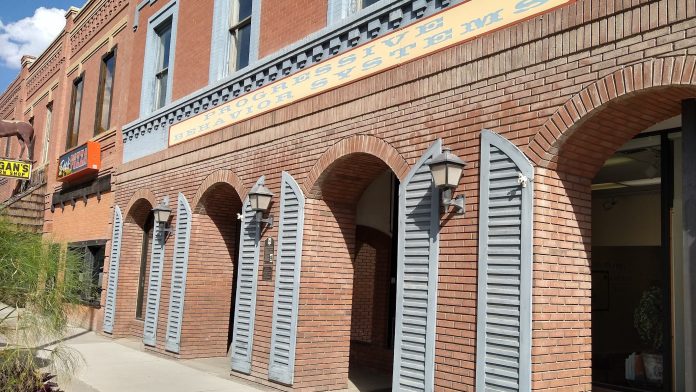
About Progressive Behavior Systems
Progressive Behavior Systems provides a host of supportive services for children and adults living with developmental disabilities. Their branch in Rupert, Idaho offers 24/7 care from your own home or in community settings. This means you don’t need to be in the typical hospital setting.
They don’t primarily offer addiction treatment services, but substance use disorders may be addressed as part of their counseling program. I noticed there are registered nurses on staff to improve every client’s quality of life by helping them get as physically healthy and stable as possible.
Community-Based Rehabilitation
Community-Based Rehabilitation Services (CBRS) is a program where individuals are taught social skills in an understanding, patient environment. Clients work with a specialist to learn skills for independent living.
Assisted-Living Arrangements to Promote Independence
They’ve an assisted-living program for youths aging out of juvenile corrections services. The goal is to teach them how to live healthy and fulfilling lives on their own.
Along with teaching them how to make responsible decisions, they also teach them how to build and maintain strong social circles. I appreciate the way they teach youths how to create support systems for times of need.
Amenities
Private drug rehab provides a comfortable, secure environment that allows you to focus on doing the work to get your life back on track. Benefits include a higher staff-to-client ratio, increased one-on-one time with therapists and healthcare providers, private rooms for clients, and customized forms of therapy.
Addiction Treatment Programs
A young adult program in Idaho helps individuals develop healthy coping skills. Treatment addresses the challenges faced at this stage of life and gives participants the recovery tools they need to navigate through it successfully.
When individuals enter an adult program in Idaho, they receive professional treatment for substance use disorder. The focus of the program is to help the individual break free from addiction and learn how to maintain a sober lifestyle.
Cognitive behavioral therapy in Idaho helps individuals overcome addiction by giving them self-help tools to improve their moods, teaching them communication skills, and helping them release insecurities that lead to substance use.
For seniors, elderly rehab in Idaho can provide a supportive environment that is sensitive to senior’s needs. This specialized treatment, among supportive peers, can help produce positive recovery outcomes.
LGBTQ-friendly rehab in Idaho recognizes the unique factors that contribute to substance abuse among the LGBTQ+ populations. This allows treatment centers to develop effective services to address LGBTQ-specific issues.
When you attend Veteran’s rehab in Idaho, you’ll receive treatment that is targeted to meet the needs of Veterans. Each participant undergoes an assessment, then receives treatment to address identified substance use disorders as well as co-occurring disorders.
Rational emotive behavioral therapy in Idaho is effective for substance abuse treatment because it targets negative behaviors, enhances support mechanisms, and treats emotional problems associated with addiction. It is a common treatment for substance use disorders and co-occurring mental health issues.
Levels of Care
Outpatient rehab in Idaho involves attending one-on-one counseling sessions several times per week, as well as support group meetings. You’ll live at home during this treatment, and work on relapse prevention. The timeline for this treatment varies by individual, based on your recovery needs.
If a mental health disorder such as anxiety or depression is co-occurring with substance abuse, you are more likely to relapse or self-medicate. Idaho dual diagnosis treatment provides the resources you need to treat both conditions and improve recovery outcomes.
Inpatient rehab in Idaho iis the most intensive treatment setting, Clients reside at the treatment facility and engage in various therapeutic sessions throughout the day, including recovery-focused life skills training. Many programs also offer evidence-based complementary therapies, such as meditation management.
Contact Information


 Sponsored