
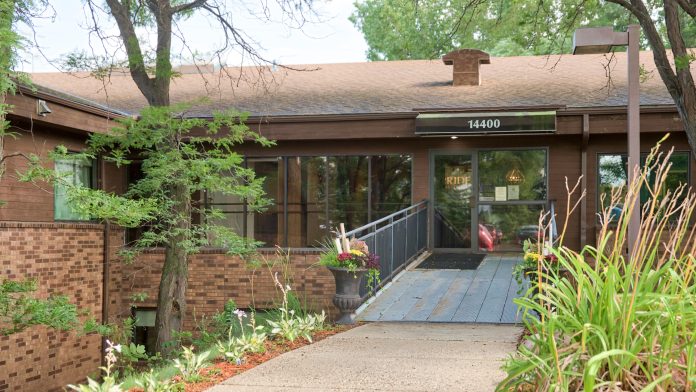
Pride Institute
14400 Martin Drive
Eden Prairie, MN 55344
 Sponsored
About Pride Institute
Pride Institute is a drug and alcohol rehab for LGBTQ+ adults, located in Prairie, Minnesota. The center offers inpatient residential treatment, outpatient rehab, dual diagnosis treatment, partial hospitalization programs (PHP), intensive outpatient programs (IOP), telehealth, and comprehensive aftercare.
Established in 1986, the Pride Institute has the expertise to offer a full range of addiction treatment services for individuals over the age of 18 who identify as LGBTQ+. The center’s team of addiction specialists rely on a patient-centered and trauma-informed approach to treatment, beginning with a thorough mental health evaluation to address mental health and substance use disorders simultaneously. Program activities include individual and group therapy, coping skills, education around life balance, and the tools needed for long-term recovery.
Pride Institute is accredited by the Commission on Accreditation of Rehabilitation Facilities (CARF) and certified by LegitScript. Most major insurance plans and private pay are accepted. Financial aid may be available.
Amenities
Private drug rehab provides a comfortable, secure environment that allows you to focus on doing the work to get your life back on track. Benefits include a higher staff-to-client ratio, increased one-on-one time with therapists and healthcare providers, private rooms for clients, and customized forms of therapy.
Residential drug rehab provides the comforts of home with the therapeutic support needed to successfully recover. Benefits of an inpatient program include increased safety, a higher success rate, and the time and distance given to focus on recovery. Residential drug rehabs are often the preferred method of treatment, as they can be tailored to meet specific needs, offer focused therapeutic care, and provide the necessary tools to sustain recovery.
Art and music are mediums that connect with our feelings, making them a great recovery tool during addiction treatment. Studies show that combining art/music and drug rehab can have a greater therapeutic impact than drug rehab alone, as you’re able to access parts of your brain and body that you may not have access to during traditional talk therapy. Benefits of art/music therapy include lowering stress and anxiety, promoting healthy neurochemicals, and providing stress relief.
Music can be extremely therapeutic, serving as a valuable healing tool and an integrative feature of a holistic treatment plan. A music room offers a large number of outlets, including singing, playing musical instruments, and listening to music.
In order to maintain a sense of autonomy, many private rehab facilities offer clients the ability to choose their own private rooms. The privacy and personal space ensure that the recovery process is as comfortable as possible.
When paired with cognitive-behavioral therapy, exercise can be an effective tool for overcoming addiction. Drug rehabs with a gym offer clients healthy ways to increase energy levels, balance the body’s stress hormone levels, and aid in the brain’s healing process.
Addiction Treatment Programs
Recovery is not the same for young adults as it is for older individuals. A young adult program in Minnesota treats the patient as a whole, addressing unique life-stage challenges, dual diagnosis issues, and substance abuse.
When an individual struggles with drug and alcohol use, an adult program in Minnesota can provide treatment and mental health support. Designed for men and women over the age of 18, these programs help individuals obtain and maintain sobriety.
The goal of alcohol rehab in Minnesota is to help you make mental and behavioral changes that lead to recovery and long-term sobriety. Most methods rely on a combination of group and individual counseling to accomplish these goals.
Individuals who attend men’s rehab in Minnesota can expect to spend much of their days in therapy sessions. Therapy is focused on men only, and teaches men how to control urges and cravings and live a healthy, sober lifestyle.
During women’s rehab in Minnesota, women participate in evidence-based therapies to treat their substance use disorders. Therapy methods include individual, group, family, cognitive-behavioral, and dialectical behavior therapy.
After evaluating your needs and budget, staff at opioid rehab in Minnesota will help you determine the length of your treatment and its intensity level, to properly address your degree of opioid dependence. Most programs include detox, addiction therapy, specialized care, and aftercare support.
Cognitive behavioral therapy in Minnesota is based on rapid, action-focused treatment. This works well for 60 to 90-day rehab programs by providing participants with immediate and effective coping techniques.
Drug rehab in Minnesota often starts with assessment. Once needs are determined, the individual typically begins treatment with detox, then enters rehab, and finally receives aftercare once the program is complete. This continuum of care offers appropriate levels of support at each stage to help the individual achieve long-term recovery.
Designed to cater to the older adult's individual needs, elderly rehab in Minnesota increases recovery success. Seniors may participate in individual therapy, group therapy, or holistic therapies, focusing on the specific challenges they are facing related to their stage of life and type of addiction.
During women’s rehab in Minnesota, women participate in evidence-based therapies to treat their substance use disorders. Therapy methods include individual, group, family, cognitive-behavioral, and dialectical behavior therapy.
During Veteran’s rehab in Minnesota, you’ll receive specialized therapies designed to support Veterans. Therapies may include daily group and individual counseling, 12-step programs, family counseling, and therapy to address PTDS and military sexual trauma.
Rational emotive behavioral therapy in Minnesota assumes that negative experiences tend to lead to irrational thoughts. These thoughts then lead to dysfunction that contributes to substance abuse. This treatment method attempts to correct irrational thoughts to encourage recovery from addiction.
EMDR Therapy is a neurobiological treatment modality used to address trauma disorders and related mental and behavioral health challenges. Short for eye movement desensitization and reprocessing, EMDR is designed to help clients cope with distressing memories and emotions, including fear, sadness, and anger. EMDR may help clients in addiction recovery manage the psychological and emotional triggers that contribute to substance misuse and/or addiction relapse.
Fitness therapy is an evidence-based complementary approach to addiction recovery and mental health care. Based on mounting scientific evidence of the benefits of physical activity in improving mood, enhancing clients’ sense of wellbeing, and decreasing depression and anxiety, fitness therapy encompasses a wide spectrum of intensities, from gentle yoga, qigong, and tai chi to weight training, kickboxing, and other highly physical activities.
Animal & equine therapy are evidence-based complementary therapies drawing on the emotional, psychological, and physiological benefits of regular contact with animals. Addiction recovery programs may incorporate the care of therapy dogs, cats, horses, and other animals into their treatment model to support clients’ development of recovery-focused life skills, including personal responsibility, time management, and empathy. Contact with therapy animals may reduce stress, enhance mood, decrease depression and anxiety, and increase clients’ self-esteem and sense of wellbeing.
Assertive Community Treatment (ACT) is an integrative, community-based care strategy designed to address the needs of persons with severe and/or complex mental illness or behavioral disorders. ACT is typically provided by a multidisciplinary team of medical and mental health care providers, social workers, therapists, and other specialists, including addiction recovery professionals. These services are frequently provided in the home and community to clients in crisis, those who are clinically unstable, and those who are unable or unwilling to travel to a hospital or clinic for in-person treatment.
Sound & Music Therapy are complementary treatment modalities frequently used in addiction recovery to support clients’ physical, mental, and emotional wellbeing through the use of auditory stimuli, from nature sounds and Tibetan singing bowls to drum circles and rhythmic melodies. The treatment is believed to reduce symptoms of anxiety and depression and may offer relief for those experiencing chronic pain, which can decrease clients’ risk of addiction relapse.
Levels of Care
Outpatient rehab in Minnesota provides a less restrictive environment than inpatient. You’ll live at home while attending just a few hours of counseling sessions per week and receive ongoing support through a program such as AA or NA. This will continue for as long as you need this level of accountability.
Left untreated, mental disorders complicate substance abuse disorders and make addiction treatment ineffective. Dual diagnosis treatment in Minnesota addresses both, making it ideal for those who have co-occurring disorders.
For months or years after achieving initial sobriety, aftercare rehab in Minnesota gives you access to resources that help you maintain sobriety after treatment. You can receive support through 12-step groups, ongoing counseling, and financial coaching.
If you choose inpatient drug rehab in Minnesota, often referred to as residential rehab, you’ll receive 24/7 care while living at the rehab facility. Typical treatment services include individual and group therapy, medication management, and relapse prevention education.
Detox in Minnesota involves 24/7 supervision by professionals who help you cleanse your body of all addictive substances. This process can take up to a week and may involve medication to ease withdrawal symptoms.
Sober living in Minnesota gives you the opportunity to apply the tools you acquired in rehab, in an independent but structured environment. You’ll reside with others in recovery, adhering to house rules such as curfew and a no-drug policy. As you work or go to school and contribute to household responsibilities, you’ll learn to live a drug-free life.
Intervention services can be a valuable tool for getting your loved one on the path to recovery. An intervention program can help you stage an intervention, develop a treatment plan, and navigate the admission process to drug rehab in Minnesota.
With a partial hospitalization program (PHP), you receive structured care from a drug rehab in Minnesota, but you don’t have to stay overnight. You’ll receive various treatment methods based on your recovery needs.
Accreditations
Accepted Insurance

Contact Information


 Sponsored
Nearby Treatment Centers
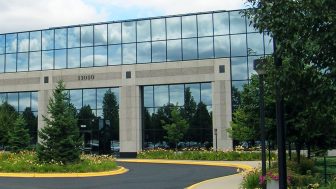
11010 Prairie Lakes Drive
Suite 350
Eden Prairie, MN 55344
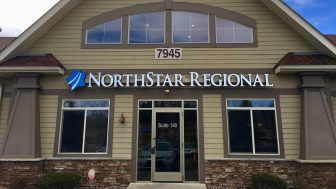
7945 Stone Creek Drive
Suite 10
Chanhassen, MN 55317

12218 Lake Street Extension
Minnetonka, MN 55305
327 South Marschall Road
Suite 250
Shakopee, MN 55379
