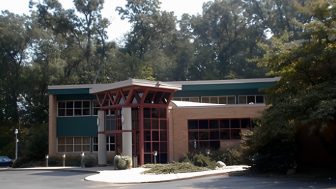
Pine Rest Portage Clinic
7895 Currier Dr
Suite 100
Portage, MI 49002
 Sponsored
About Pine Rest Portage Clinic
Pine Rest Christian Mental Health Services is a nonprofit organization that provides mental health and addiction care across Michigan for individuals in any stage of life.
While the organization was originally founded on Christian values, today Pine Rest prides itself on being an inclusive space where people from all cultures, religions and ethnicities are welcome.
Convenient Access
The Pine Rest Portage clinic in Portage, Michigan offers both in person and telehealth services to members of the community for more convenient access to treatment. Whether you’re looking for behavioral health care or addiction treatment, the Portage clinic has multiple levels of care.
I think it’s helpful to note that one of the clinicians, Dr. Tim Oja, is trained in addiction psychiatry and can provide his expertise to help you on the road to recovery.
Referrals and Additional Resources
Mental health professionals are available to offer therapy for individuals, couples and families. They also provide psychiatric medication services and can provide referrals to more intensive services like inpatient and partial hospitalization programs.
Pine Rest accepts most insurance. They also have a Patient Assisted Fund to help individuals and families with limited resources get access to care services.
Amenities
Private drug rehab provides a comfortable, secure environment that allows you to focus on doing the work to get your life back on track. Benefits include a higher staff-to-client ratio, increased one-on-one time with therapists and healthcare providers, private rooms for clients, and customized forms of therapy.
Recreational therapy uniquely combines therapeutic interventions with an activity, like horse-riding, hiking, wilderness therapy, basketball, tennis, or a full workout. Benefits of recreational therapy include providing a healthy way to work through the emotions of recovery, learning to build and maintain relationships, improving communication skills, and building self-esteem.
Residential drug rehab provides the comforts of home with the therapeutic support needed to successfully recover. Benefits of an inpatient program include increased safety, a higher success rate, and the time and distance given to focus on recovery. Residential drug rehabs are often the preferred method of treatment, as they can be tailored to meet specific needs, offer focused therapeutic care, and provide the necessary tools to sustain recovery.
Addiction Treatment Programs
A young adult program in Michigan specializes in treatment tailored to individuals in this stage of life who are suffering from substance use disorder. Treatment addresses addiction and the challenges related to young-adult life.
No single adult program in Michigan is right for everyone. That’s why each program is tailored to meet the needs of the individual. Common aspects to an adult rehab program include individual counseling, group therapy, and aftercare support.
The backbone of most alcohol rehab in Michigan is a combination of individual and group therapy methods. Through these sessions, individuals learn how to address issues contributing to addiction and develop healthy lifestyle habits.
During men’s rehab in Michigan, individuals spend a significant amount of time in therapy. This gender-specific treatment gives men the tools they need to cope with stress and live without drugs and alcohol.
Women’s rehab in Michigan offers a full continuum of care for women seeking treatment for addiction. Programs range from intensive inpatient care to aftercare services.
Each opioid rehab in Michigan is unique, but most consist of several key steps: admission, detox, addiction therapy, specialized care, and aftercare. Professional staff evaluate each person’s needs to recommend treatment duration and specific therapies.
During cognitive behavioral therapy in Michigan, participants do more than talk with their therapists. This is an engaging, hands-on approach that requires active participation. Individuals work with their therapist to change their thought and behavior patterns to overcome addiction.
Drug rehab in Michigan typically involves several phases. Individuals start with assessment, then move through the stages of detox, rehab, and aftercare. These programs can last for one week to one year.
Age-specific rehab can put participants at ease because they are with their peers. Elderly rehab in Michigan provides a safe and inviting setting for seniors to get the help they need to overcome addiction.
Women’s rehab in Michigan offers a full continuum of care for women seeking treatment for addiction. Programs range from intensive inpatient care to aftercare services.
Veteran’s rehab in Michigan is often staffed by Veterans who understand the experiences of program participants. Services are tailored to meet Veterans’ needs with focused individual and group therapy as well as nutritional education, family therapy, recreational therapy, and other interventions.
Through rational emotive behavioral therapy in Michigan, participants identify unhealthy beliefs and replace them with healthy ones. This relieves emotional distress and frees the person to move forward with better decision-making for their recovery journey.
Levels of Care
Outpatient rehab in Michigan is tailored to each person’s recovery journey. This treatment usually involves several hours of therapy sessions each week, along with attendance at support group meetings. However, the timeline varies from a few weeks, to months, to years, based on your needs.
A dual diagnosis treatment center in Michigan allows you to get treatment for substance abuse and mental health disorders at the same time. This is critical, because untreated mental health disorders often lead to relapse and poor recovery outcomes.
When you enter drug rehab in Michigan, you’ll start with detox. This process includes round-the-clock supervision and medical care, to slowly and safely remove toxins from your system. It may include the use of medications to ease withdrawal.
Intervention services in Michigan are often key to starting the recovery process. Intervention specialists provide support to encourage your loved one to get the help they need, provide access to educational and comjunity resources, and offer assistance with developing intervention and treatment plans.
Accreditations
Accepted Insurance




Contact Information


 Sponsored