Phoenix House Florida – Residential Treatment Program
15681 North US Highway 301
Citra, FL 32113
 Sponsored

About Phoenix House Florida – Residential Treatment Program
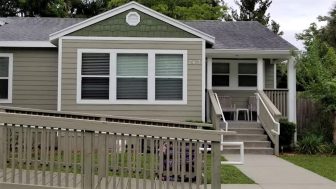
You’ll find Phoenix House Florida Residential Program in Citra, Florida, about 30 miles southeast of Gainesville. Established in 1994, this nonprofit addiction treatment center provides substance abuse and mental health treatment for adults in Central Florida. You can receive continuous support and monitoring in their detox and residential program.
With residential care, you can live on campus and receive 24/7 treatment. They provide proven therapeutic interventions to help you get to the root of addiction and gain essential coping skills. You’ll benefit from a highly structured environment to step away from distractions and hone in on recovery.
Gender Specific Care
For me, their gender specific tracks really stood out. You can participate in targeted care that accounts for the unique challenges that different genders face, including trauma. They provide separate residential units for your comfort and privacy. You’ll also have the chance to connect with peers on similar paths and build lasting relationships.
Recreational Amenities
Another great feature that caught my eye was their recreational amenities. They ensure you have plenty of activities for sober fun. You can access volleyball and tennis courts, a full size gym with a fitness instructor plus a swimming pool. You’ll benefit from exploring new activities to support physical wellness and sustain recovery.
Holistic Approach
I also think it’s nice that they encourage holistic healing. You can participate in meditation and yoga to heal your mind, body and soul. These approaches can help you discover new self expression outlets and gain essential skills to improve overall wellness.
Amenities
Private drug rehab provides a comfortable, secure environment that allows you to focus on doing the work to get your life back on track. Benefits include a higher staff-to-client ratio, increased one-on-one time with therapists and healthcare providers, private rooms for clients, and customized forms of therapy.
Residential drug rehab provides the comforts of home with the therapeutic support needed to successfully recover. Benefits of an inpatient program include increased safety, a higher success rate, and the time and distance given to focus on recovery. Residential drug rehabs are often the preferred method of treatment, as they can be tailored to meet specific needs, offer focused therapeutic care, and provide the necessary tools to sustain recovery.
Recreational therapy uniquely combines therapeutic interventions with an activity, like horse-riding, hiking, wilderness therapy, basketball, tennis, or a full workout. Benefits of recreational therapy include providing a healthy way to work through the emotions of recovery, learning to build and maintain relationships, improving communication skills, and building self-esteem.
Yoga and meditation are great activities to support your recovery process during alcohol or drug rehab. These therapies have been around for centuries, and they are an effective way to improve well-being. Combining addiction treatment, yoga, and meditation can reduce cravings, improve sleep, relieve anxiety and depression, provide stress relief, promote relaxation, support emotional healing, and improve energy levels.
Treatment centers with a yoga studio offer a special form of holistic therapy during the recovery process. Yoga boosts mindfulness, a sense of calm, and healthy reflection during drug rehab via breathing exercises, stretching, and a progression of specific postures.
Music can be extremely therapeutic, serving as a valuable healing tool and an integrative feature of a holistic treatment plan. A music room offers a large number of outlets, including singing, playing musical instruments, and listening to music.
Hiking is a great way to relieve stress, get perspective, navigate challenges, connect with nature, and improve your health - all essential components of sustaining long-term recovery. Studies also show that the body releases endorphins during physical activities like hiking. These endorphins improve mood and act as a natural pain reliever.
In order to maintain a sense of autonomy, many private rehab facilities offer clients the ability to choose their own private rooms. The privacy and personal space ensure that the recovery process is as comfortable as possible.
Swimming increases blood flow to the body and brain, boosts white blood cells, and improves muscle strength, lung capacity, and overall stamina. Drug rehabs with a swimming pool offer physical and mental benefits to complement the recovery process.
When paired with cognitive-behavioral therapy, exercise can be an effective tool for overcoming addiction. Drug rehabs with a gym offer clients healthy ways to increase energy levels, balance the body’s stress hormone levels, and aid in the brain’s healing process.
When used as part of an evidence-based treatment plan, basketball can boost physical and mental health, lead to sharper thinking, and facilitate improved self-esteem. Drug rehabs with a basketball court also place a focus on teamwork and cooperation.
There are many pathways to recovery and some journeys take a more labor-intensive approach, by attending a farm-based drug rehab. Farm life has many parallels with recovery: it requires constant tending, nurturing, and creating the conditions necessary to thrive. The benefits of a farm program include learning new skills, building a recovery community, peer support, and contributing to a greater ecosystem.
Art and music are mediums that connect with our feelings, making them a great recovery tool during addiction treatment. Studies show that combining art/music and drug rehab can have a greater therapeutic impact than drug rehab alone, as you’re able to access parts of your brain and body that you may not have access to during traditional talk therapy. Benefits of art/music therapy include lowering stress and anxiety, promoting healthy neurochemicals, and providing stress relief.
Addiction Treatment Programs
Young adults often develop addiction for different reasons than older individuals. That’s why a young adult program in Florida focuses on the unique pressures, needs, and challenges faced by young adults.
Treatment at an adult program in Florida addresses the needs of each individual as they work toward recovery. Programs are designed for men and women ages 18 and up, and include a variety of treatment protocols to match the severity of the addiction, type of substance, and personal situation.
Each alcohol rehab in Florida offers unique amenities and approaches, but most follow the same general guidelines. Treatment includes detox, rehabilitation, and maintenance. This is a proven approach to provide the greatest results for long-term recovery.
Gender-specific addiction treatment gives men who are struggling with substance use disorders a connection point to other men with similar struggles. This common ground can make a huge impact on men’s rehab in Florida.
Often, women who have a substance use disorder also have a co-occurring disorder. Women’s rehab in Florida often addresses both the addiction and mental health disorder with dual diagnosis treatment.
Opioid rehab in Florida provides the care you need to help you safely and comfortably navigate a path to recovery. Treatment addresses both emotional and physical aspects of addiction, offering individualized tracks and custom programs.
Cognitive behavioral therapy in Florida helps people in treatment to revisit painful thoughts and memories and learn new ways to cope with them. These newly-learned techniques replace substance use and help the individual maintain sobriety.
Florida residents who are struggling with substance abuse don’t have to face their challenges alone. Drug rehab in Florida provides quality treatment to help individuals overcome addiction and make a full recovery.
Often, women who have a substance use disorder also have a co-occurring disorder. Women’s rehab in Florida often addresses both the addiction and mental health disorder with dual diagnosis treatment.
Veteran’s rehab in Florida offers programs for alcohol and substance use disorders specifically for Veterans. Treatment focuses on the needs of this population that differ from others, such as combat trauma and adjustments to civilian life.
Fitness therapy is an evidence-based complementary approach to addiction recovery and mental health care. Based on mounting scientific evidence of the benefits of physical activity in improving mood, enhancing clients’ sense of wellbeing, and decreasing depression and anxiety, fitness therapy encompasses a wide spectrum of intensities, from gentle yoga, qigong, and tai chi to weight training, kickboxing, and other highly physical activities.
Animal & equine therapy are evidence-based complementary therapies drawing on the emotional, psychological, and physiological benefits of regular contact with animals. Addiction recovery programs may incorporate the care of therapy dogs, cats, horses, and other animals into their treatment model to support clients’ development of recovery-focused life skills, including personal responsibility, time management, and empathy. Contact with therapy animals may reduce stress, enhance mood, decrease depression and anxiety, and increase clients’ self-esteem and sense of wellbeing.
Levels of Care
Outpatient rehab in Florida focuses on relapse prevention and long-term recovery. It typically includes several counseling sessions per week as well as membership in a support group such as NA or AA. This treatment can last several weeks or several months, based on your ongoing needs.
If you are struggling with both an addiction and a mental health disorder, treatment for dual diagnosis in Florida is necessary for successful recovery. This multidisciplinary approach treats both substance abuse and co-occurring disorders such as bipolar disorder, eating disorders, depression, or anxiety.
During initial rehab treatment, you learn how to get sober. Aftercare rehab in Florida helps you learn how to stay sober. Through ongoing counseling, support groups, and life coaching, you’ll develop skills to maintain sobriety as you live a successful life in recovery. This support may last up to a year or more, to keep you on the right track.
Inpatient drug rehab in Florida allows you to receive round-the-clock supervised care while living at the facility. A combination of treatment interventions is typically offered, including individual and group therapy, nutritional counseling, experiential therapies, and medication management.
While each drug rehab in Florida is unique, most programs begin with detox. This process can last up to seven days. During that time, addictive substances are slowly removed from your system. Medication is often used to alleviate withdrawal symptoms.
Drug rehabs in Florida offering partial hospitalization programs (PHPs) allow you to live at home while still receiving care at a treatment facility. As a type of outpatient treatment, PHPs typically require an average of five to seven visits a week, ranging from four to eight hours in length.
Accreditations
Contact Information


 Sponsored