
Perspectives Center for Care Inc
Closed: Please See Nearby Facilities
Waterbury, Connecticut
 Sponsored
About Perspectives Center for Care Inc
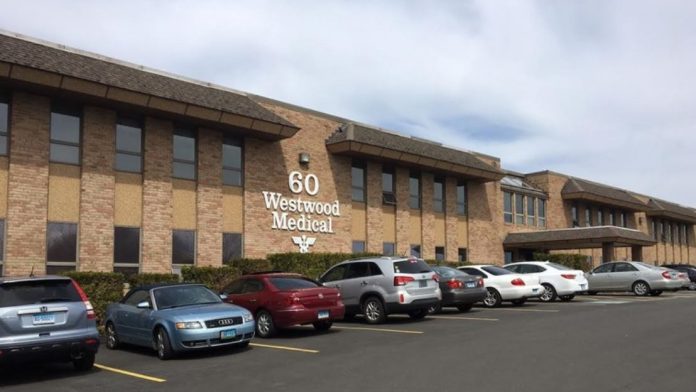
Perspectives Center for Care provides community-oriented services that improve individuals’ quality of life and strengthen families while promoting safe and supportive communities. Located on Westwood Avenue in Waterbury, Connecticut, the facility serves children, adolescents and adults across New Haven County. It sits just over a mile west of the Mattatuck Museum and the Palace Theater.
This commitment to eliminating barriers to recovery is also evident in their telehealth support. I really like the convenience this offers as it lets you receive tailored support from the comfort of your home.
Supportive Counseling For Individuals, Couples and Families
With a focus on improved well-being, individuals across diverse age groups can receive customized and flexible support to navigate various life challenges. These range from common psychiatric challenges like anxiety and depression to relationship issues and parenting.
I like how they often integrate pet-assisted care into their therapeutic process on request to help reduce stress, increase comfort and promote emotional healing. They can help you navigate substance dependence and co-occurring disorders too. Having positive relationships that give you comfort and support is an important part of maintaining sobriety.
Their couple counseling addresses intimacy, infidelity and other everyday problems that may impact healthy romantic relationships, helping rebuild trust and improve communication for more resilient partnerships. They also offer family reunification services and counseling to help bring families back together and foster safe, nurturing homes where strong parenting and healthy relationships can thrive.
Integrated Substance Use Recovery For Long-Term Abstinence
Perspectives Center for Care offers integrated support for substance use that combines medication-assisted treatment (MAT), outpatient therapy, psychiatric care and case management. After a detailed intake assessment, Suboxone may be prescribed as part of your personalized MAT plan to ease withdrawal symptoms and reduce cravings.
This ensures a more stable recovery journey that continues with proven therapeutic support. This may be delivered through standard outpatient care for mild symptoms or more structured intensive outpatient programs for more severe needs. The idea is to help you handle underlying emotional issues and build effective strategies for relapse prevention.
Amenities
Private drug rehab provides a comfortable, secure environment that allows you to focus on doing the work to get your life back on track. Benefits include a higher staff-to-client ratio, increased one-on-one time with therapists and healthcare providers, private rooms for clients, and customized forms of therapy.
Residential drug rehab provides the comforts of home with the therapeutic support needed to successfully recover. Benefits of an inpatient program include increased safety, a higher success rate, and the time and distance given to focus on recovery. Residential drug rehabs are often the preferred method of treatment, as they can be tailored to meet specific needs, offer focused therapeutic care, and provide the necessary tools to sustain recovery.
Addiction Treatment Programs
For those who have a substance use disorder, an adult program in Connecticut offers crucial support. Designed to treat individuals 18 and older, these rehab programs help adults learn how to live their lives free from dependence on substances.
Alcohol rehab in Connecticut is not a one-size-fits-all solution. That’s why a variety of programs and treatment methods are available to meet you where you are. Through personalized treatment, alcohol rehab is designed to help you achieve sobriety and maintain long-term recovery from alcohol use disorder.
Animal & equine therapy are evidence-based complementary therapies drawing on the emotional, psychological, and physiological benefits of regular contact with animals. Addiction recovery programs may incorporate the care of therapy dogs, cats, horses, and other animals into their treatment model to support clients’ development of recovery-focused life skills, including personal responsibility, time management, and empathy. Contact with therapy animals may reduce stress, enhance mood, decrease depression and anxiety, and increase clients’ self-esteem and sense of wellbeing.
In Connecticut, cognitive behavioral therapy helps individuals identify impulsive thoughts and feelings of fear and self-doubt. It equips them to manage these negative thoughts and feelings without the use of substances.
Adults who attend men’s rehab in Connecticut have the opportunity to connect with other men who are struggling with similar addiction issues. This is important for recovery, as men are often more comfortable talking about their struggles with other men.
When you attend opioid rehab in Connecticut, you’re provided with the tools that are necessary to break free from opioid addiction. Treatment offers accountability, structure, and a sense of community. Methods typically include medication assisted treatment, individual therapy, and group counseling.
For seniors who have long-term addiction struggles and for those who have developed a substance use disorder later in life, elderly rehab in Connecticut is available. Treatment focuses on the unique needs of this stage of life.
Women often find it easier to work through their addiction issues in women’s rehab in Connecticut. Surrounded by other women who understand their struggles, they can feel free to share openly and find support.
If you are looking for a young adult program in Connecticut, many options are available. Programs include inpatient, partial hospitalization programs (PHP), intensive outpatient programs (IOP), outpatient, aftercare, and dual diagnosis.
Levels of Care
Many individuals turn to outpatient rehab in Connecticut after they complete an inpatient program. This treatment is less intensive and usually involves attending several counseling sessions per week and attending a support group such as NA or AA. Outpatient rehab may be short or long-term, depending on the needs of the individual.
When you have a co-occurring disorder, you have both a substance abuse disorder and a mental health disorder. Dual diagnosis in Connecticut specializes in treating both conditions simultaneously, which is crucial for successful recovery.
Once you’ve completed rehab treatment, you must learn how to manage stress and life challenges without relapsing. Aftercare rehab in Connecticut is designed to provide the support you need for this process. It may include financial, educational, career, social, and mental support. Many people remain in this care for a year after initial recovery.
Drug rehab in Connecticut typically starts with detox. This is the process of ridding your body of all addictive substances. This happens under supervision, so medical staff can treat withdrawal symptoms and help you through the process.
Accreditations
Find Rehab Centers Near Waterbury

64 Robbins Street
Waterbury, CT 06708

900 Watertown Avenue
Waterbury, CT 06708

70 Central Avenue
Waterbury, CT 06702

466 West Main Street
Waterbury, CT 06702
